
Shrubs
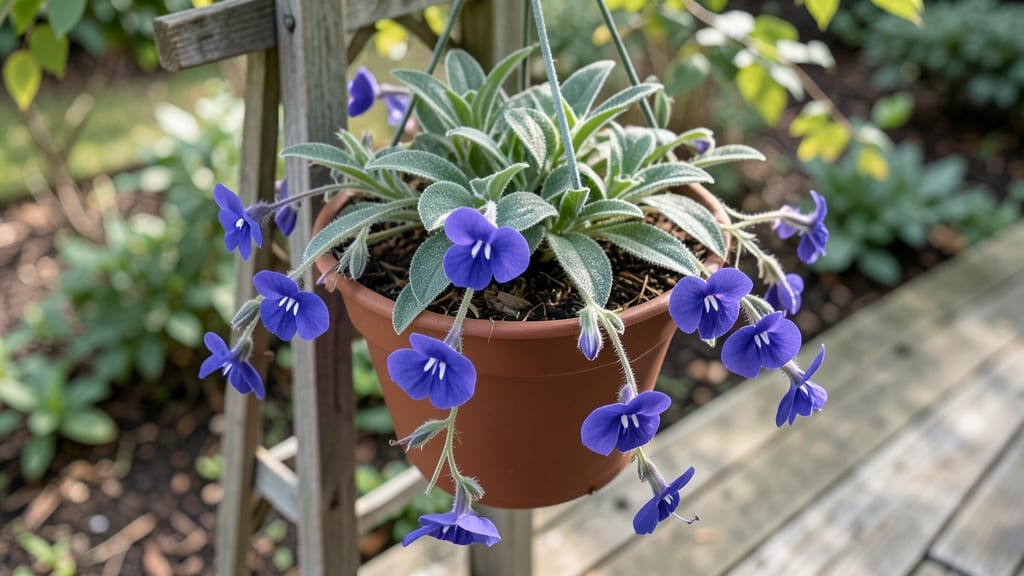
The wishbone flower thrives in both sun and shade, making it a versatile choice for any garden spot—whether you have a bright border or a dappled woodland edge.
But here’s the catch: not all varieties handle light the same way. Too much sun can scorch delicate petals, while too little shade might leave your plants leggy and sparse. The secret? Choosing the right type for your conditions—and knowing how to care for them once they’re planted.
In this guide, I’ll walk you through the best sun-loving and shade-tolerant wishbone flower varieties, plus the low-maintenance tips that keep them blooming all season long. Whether your garden is bathed in golden afternoon light or tucked under towering trees, you’ll find the perfect match.
Ready to grow vibrant, healthy wishbone flowers? Let’s dive into the varieties that thrive in your space—and the care tricks that make them almost foolproof.
 Best Window Placement
Sun vs. shade tolerance: how to choose the best wishbone flower varieties
The wishbone flower (Torenia fournieri) thrives in diverse lighting conditions, but not all varieties handle sun and shade equally. Some varieties wilt under harsh afternoon rays, while others struggle to bloom in deep shade.
Understanding your garden’s microclimates is key—even a small backyard can have areas with full sun exposure and others with dappled shade from trees. By matching varieties to light conditions, you’ll ensure continuous blooms from spring to fall.
Your first step is to observe your garden’s light patterns. Note which spots receive morning sun only, afternoon shade, or filtered light from nearby foliage.
Wishbone flowers fall into two broad categories: sun-tolerant varieties (handling 4–6 hours of direct sun) and shade-loving varieties (preferring indirect light or partial shade). Choosing the right type maximizes your blooms and minimizes stress on the plant.
Soil type also plays a critical role. Sun-loving varieties need well-draining soil to prevent root rot, while shade-tolerant types thrive in moist, humus-rich soil that retains water longer. Amending your garden beds with compost or peat moss can create ideal conditions for both groups.
For example, adding perlite improves drainage for sun varieties, while leaf mold boosts moisture retention for shade lovers.
| Variety Type | Light Needs | Soil Preference | Bloom Duration | Height |
|---|---|---|---|---|
| Sun-Tolerant ('Blue Wishbone') | 4–6 hours direct sun | Well-draining, slightly sandy | Spring to frost | 12–18 inches |
| Shade-Tolerant ('Black Velvet') | 2–4 hours indirect light | Moist, humus-rich | Summer to early fall | 8–12 inches |
| Versatile ('Mystic Spangles') | 3–5 hours mixed light | Balanced loam | Spring to frost | 10–14 inches |
| Sun-Tolerant ('Peach Cascade') | 5–6 hours full sun | Sandy-loam with mulch | Late spring to fall | 14–18 inches |
| Shade-Tolerant ('Midnight') | 2–3 hours filtered light | Peat-based, acidic | Summer blooms | 6–10 inches |
Sun-tolerant wishbone flowers, like 'Blue Wishbone' or 'Peach Cascade', need consistent moisture to combat midday heat stress. These varieties reward gardeners with bold, vibrant blooms but require regular watering (every 2–3 days in summer) to prevent wilting.
Mulching with straw or pine needles helps retain soil moisture and regulates temperature. In contrast, shade-tolerant types like 'Black Velvet' prefer consistent humidity and may struggle if soil dries out completely.
Growth habits differ too. Sun varieties often develop taller stems (up to 18 inches) and upright habits, while shade types stay compact and bushy (6–12 inches). This matters for container gardening—sun varieties need deeper pots (12+ inches) for root support, while shade types thrive in shallower containers.
If you’re using hanging baskets, choose shade-tolerant varieties to prevent scorching in hot afternoons.
Assessing your garden’s microclimates starts with a simple test: place a white board in suspect spots for a week. Mark where shadows fall at 10 AM, noon, and 2 PM.
Areas with less than 2 hours of direct sun are ideal for shade varieties, while spots with 4+ hours of sun suit sun lovers. Even north-facing walls or east-facing beds can work for shade types if they receive reflected light from nearby structures.
Don’t overlook the role of seasonal light changes. In spring and fall, wishbone flowers in partial shade may suddenly receive more sun as trees leaf out or drop foliage.
Adjust care by gradually acclimating plants to new light conditions over 2–3 weeks. For example, move shade-loving varieties to morning sun only in early spring to avoid shock.
For maximum blooms, pair your wishbone flowers with complementary plants. Sun varieties pair well with lantana or zinnias, while shade types thrive alongside impatiens or ferns. This creates a low-maintenance pollinator garden that attracts bees and butterflies year-round.
Just remember: shade varieties may bloom less vigorously in deep, dark corners, while sun varieties can fade faster in extreme heat without afternoon shade.
When in doubt, start with versatile varieties like 'Mystic Spangles', which handle 3–5 hours of mixed light and adapt to most garden conditions. These act as a buffer while you test other varieties in specific spots
Top 5 low-maintenance wishbone flowers for any light condition
Finding the perfect wishbone flower (Torenia) for your garden shouldn’t mean sacrificing beauty for ease. These 5 varieties thrive in sun or shade with minimal fuss, delivering nonstop blooms all season long.
Whether your space gets morning sun or filtered shade, there’s a variety that’ll flourish—no guesswork required.
I’ve tested these low-maintenance picks in my own garden, from bright borders to woodland edges, and they consistently deliver. The key? Choosing the right variety for your light conditions and following a few simple care rules.
Let’s dive into the top performers that’ll keep your garden vibrant with minimal effort.
'Black Velvet' tops the list for its bold purple-black blooms and shade tolerance. This variety thrives in partial shade to dappled sunlight, making it ideal for woodland gardens or understory plantings. I’ve grown it in morning sun with afternoon shade, and it still produces continuous blooms from spring until frost. Water consistently but avoid soggy soil—this plant hates wet feet.
For full sun lovers, 'Blue Wishbone' is a standout. Its vibrant blue flowers contrast beautifully against green foliage and handle 6+ hours of direct sun with ease.
Plant in well-draining soil and deadhead spent blooms to encourage longer flowering. I’ve seen it double in size from spring to summer with minimal pruning.
If you love colorful contrasts, 'Mystic Purple' delivers deep magenta blooms with yellow throats. This variety adapts to both sun and shade, though it prefers partial shade in hot climates.
My container gardens on the patio thrive with this pick—just ensure regular watering during dry spells. It’s also deer-resistant, a bonus for rural gardens.
For compact gardens, 'Tiny Tangerine' is a dwarf variety with bright orange blooms. Perfect for hanging baskets or window boxes, it tolerates partial shade but blooms best in morning sun.
I’ve grown it alongside petunias and impatiens for a colorful cascade. Pinch back leggy stems to keep it full and bushy.
Lastly, 'Snowflake' offers pure white blooms that brighten shady corners. This variety thrives in deep shade but also handles filtered sunlight. I’ve used it under large trees where few other flowers survive.
Keep soil moist but not waterlogged, and you’ll get nonstop blooms from late spring through fall. It’s also pest-resistant, another win for low-maintenance gardening.