
Flowers
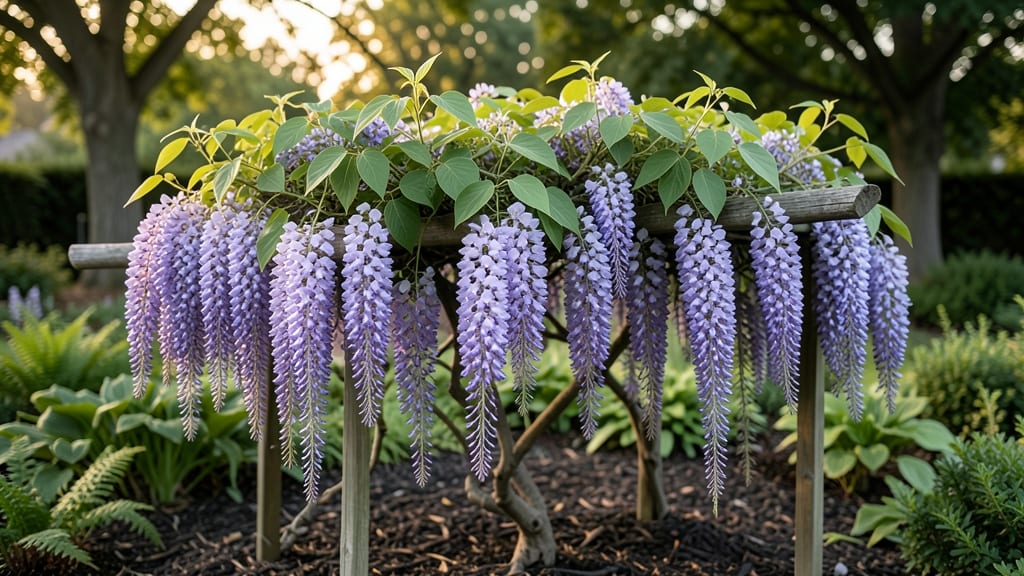
Wisteria flowers bloom in spring to early summer 🌸, turning your garden into a fragrant, cascading masterpiece—but only if you time everything just right.
Picture this: April showers give way to clusters of lavender, pink, or white blooms, and your wisteria steals the show. But miss the window, and you might end up with nothing but leaves. The secret? Knowing exactly when each variety peaks—and how to coax it into performing year after year.
From the early blooms of 'Amethyst Falls' in late April to the late-season extravaganza of 'Prolific' in June, timing matters. Whether you're in USDA Zone 6a or further south, this guide breaks down the exact months your wisteria will shine, plus the care tricks to make those blooms last longer.
Ready to transform your garden into a wisteria wonderland? Let’s dive into the month-by-month schedule, pruning hacks, and climate tips that’ll ensure you never miss a single bloom.
Wisteria flower time by variety: month-by-month blooming schedule
Timing is everything when it comes to wisteria blooms—these fragrant vines reward patience with spectacular cascades of color, but only if you know when to expect them. Each variety has its own peak bloom window, influenced by your climate zone and winter chill hours.
Whether you’re planning a spring garden party or simply want to enjoy the show, understanding these monthly variations ensures you’ll never miss the magic.
Wisteria typically blooms between late April and June, but some varieties push the envelope earlier or later. For example, 'Amethyst Falls' often bursts into bloom as early as late March in Zone 8, while 'Prolific' might linger into early July in cooler climates.
The key? Matching your variety to your local frost dates and sun exposure for the longest possible display.
| Variety | Peak Bloom Month | Early Bloom Zone 7 | Late Bloom Zone 9 | Color | Notes |
|---|---|---|---|---|---|
| Amethyst Falls | Late April | Mid-April | Early May | Lavender | Early bloomer; fragrant |
| Blue Moon | Early May | Late April | Mid-May | Pale blue | Longest bloom season |
| Prolific | Mid-June | Late May | Early June | White | Late bloomer; heavy clusters |
| Jako | Early May | Late April | Early May | Purple | Cold-hardy; reliable blooms |
| Black Dragon | Late May | Early May | Mid-May | Deep purple | Dense foliage; late blooms |
| Amethyst Falls | Late April | Mid-April | Early May | Lavender | Early bloomer; fragrant |
| Royal Purple | Mid-May | Late April | Early June | Purple | Vigorous grower; long vines |
Notice how climate zones shift bloom times? For instance, 'Blue Moon' might bloom in late April in Zone 7 but wait until mid-May in Zone 9 due
How to extend wisteria flower time: pruning and care tips for longer blooms
Wisteria’s dramatic blooms can last weeks—or just a few days—depending on how you care for it. The key to longer flower time lies in strategic pruning and seasonal adjustments that encourage healthy growth.
I’ve learned the hard way that skipping these steps means fewer blooms and shorter displays. Let’s fix that!
Most gardeners focus on when to prune, but timing isn’t everything. You also need to match your pruning technique to your wisteria’s variety and climate. For example, 'Amethyst Falls' thrives with light pruning in late winter, while 'Prolific' demands heavier cuts to keep blooms abundant.
Get this wrong, and you’ll end up with a vine full of leaves but no flowers.
Before diving into pruning, check your wisteria’s sunlight exposure. Full sun (6+ hours daily) is non-negotiable for peak blooms. If your vine is in partial shade, it’ll struggle to produce flowers, no matter how well you prune.
I once had a wisteria in my backyard that barely bloomed until I moved it to a south-facing trellis—now it’s a fragrant cloud of purple every spring.
Pruning at the wrong time (e.g., cutting back after buds form) can eliminate next year’s flowers. Wisteria blooms on old wood, so aggressive summer pruning removes next season’s flower buds. Always prune right after flowering—never in late fall or winter when buds are forming.
Start with spring pruning (right after blooms fade) to shape your wisteria and encourage new growth. Remove dead or crossing branches first, then cut back last year’s growth by about 1/3.
This keeps the vine manageable while preserving next year’s flower buds. For heavy bloomers like 'Blue Moon', you can prune slightly harder—up to half the growth—but avoid overdoing it.
Don’t forget seasonal care adjustments to keep your wisteria thriving. In early spring, feed with a balanced fertilizer (10-10-10) to jumpstart growth. Skip fertilizing in summer and fall, as this encourages leafy growth at the expense of flowers.
Water deeply once a week during dry spells, but avoid soggy soil—wisteria roots rot easily. Mulch around the base to retain moisture and regulate soil temperature.
Finally, watch for pests like aphids or spider mites, which can stress your vine and reduce blooms. A neem oil spray in early summer keeps pests at bay without harming the plant.
I’ve seen wisterias with double the usual blooms after just one season of consistent care—proof that a little effort goes a long way! With these tips, your wisteria will reward you with weeks of fragrant, cascading flowers every season.