
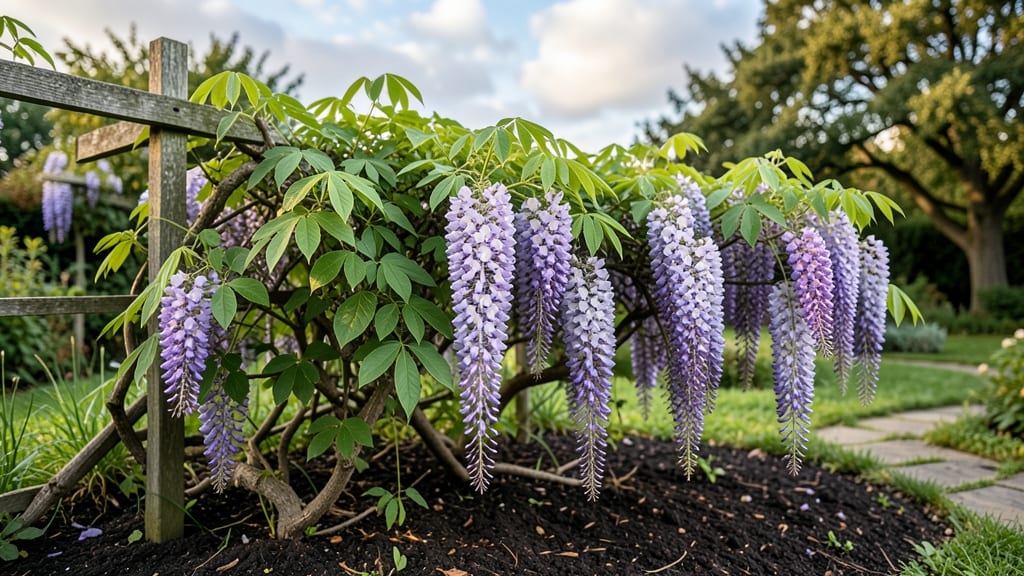
Wisteria Flowering Season: Exact Months by Variety for Peak Blooms

Blooming

Wisteria Flowering Season: Exact Months by Variety for Peak Blooms

Wisteria’s flowering season brings those dreamy cascades of purple, blue, or white 🌸 that turn heads—and missing it means another year waiting for nature’s perfume-filled show.

Picture this: your trellis heavy with fragrant blooms, bees buzzing in the spring breeze, and neighbors stopping to ask, "What is that incredible scent?" That’s the magic of wisteria, but only if you know the exact timing for your variety.

Some burst into bloom as early as late April, while others linger into June, depending on whether you’re in Zone 6a or a warmer region. Pruning, sunlight, and even last year’s growth can shift the season by weeks.

Here’s how to pinpoint your wisteria’s peak bloom window, adjust care for longer flowers, and avoid the heartbreak of sparse blooms—so you’re always standing front-row to the show.

Wisteria flowering season by variety: month-by-month blooming guide

Wisteria’s dramatic cascades of fragrant blooms make them a garden centerpiece—but their flowering windows vary wildly by variety. Whether you’re growing Wisteria sinensis or W. floribunda, knowing the exact month-by-month schedule helps you plan for peak fragrance and color.

Even climate zones shift bloom times, so let’s break down when each type puts on its best show.

Most wisterias bloom in late spring to early summer, but some varieties like Amethyst Falls can start as early as April in Zone 7, while others like Black Dragon wait until June.

In cooler regions (Zones 5-6), expect blooms to push back by 2-4 weeks compared to warmer climates. Let’s dive into the exact timing for 10+ popular varieties.

Pro Tip: Wisterias need 2-3 years to establish before producing full blooms. Young plants may flower lightly in Year 2, but Year 3+ is when they truly shine. If your vine isn’t blooming yet, check its sunlight, pruning schedule, and soil fertility—these are the top culprits for delayed flowers.

Variety Primary Bloom Time (US Zones 6-8) European Bloom Time Hardiness Zones Color
Wisteria sinensis Late May - Early June Early June - Mid-July 5-9 Purple
Wisteria floribunda 'Amethyst Falls' April - May Late May - Early June 6-9 Lavender
Wisteria floribunda 'Royal Purple' Mid-May - June June - Early July 5-9 Deep Purple
Wisteria frutescens 'Amethyst Showers' May - June Late May - July 7-9 Soft Lavender
Wisteria floribunda 'Prolific' June - July July - August 6-9 White
Wisteria floribunda 'Black Dragon' Late June - July August 6-9 Dark Purple-Black
Wisteria sinensis 'Longissima' May - June June - July 5-9 Pale Lilac
Wisteria floribunda 'Shirogane' June - July July - August 6-9 White
Wisteria frutesc

How to extend your wisteria’s flowering season naturally

If your wisteria’s blooms fade too quickly, don’t despair—there are natural ways to prolong that fragrant display. Wisteria typically blooms for 2-3 weeks in spring, but with the right care, you can stretch that to 4-6 weeks or more.

The key lies in pruning strategies, soil nutrition, and microclimate adjustments that encourage healthier growth and more abundant flowers.

Many gardeners unknowingly shorten their wisteria’s flowering by making common mistakes like over-pruning or ignoring soil health. For example, cutting back too aggressively in late summer removes next year’s flower buds, while poor drainage can stress the plant and reduce bloom quality.

Let’s fix these issues and turn your wisteria into a long-blooming star of your garden.

⚠️
Warning: Common Mistakes That Kill Blooms

Avoid these bloom-killers to keep your wisteria flowering longer:

  • Over-pruning in late summer removes next year’s flower buds
  • Poor drainage causes root stress, reducing bloom quality
  • Shade from overgrowth weakens stems and limits flowering
  • Skipping phosphorus in fertilizer starves flowers of energy

Start with smart pruning—the foundation of longer blooms. Prune your wisteria immediately after flowering (late May to early June) to remove last year’s spent blooms and shape the vine.

This encourages new growth that will bear next year’s flower buds. Use clean, sharp pruners and cut back to a healthy bud or branch, never leaving stubs.

Next, optimize your wisteria’s sunlight exposure. These vines thrive in full sun (6+ hours daily), but if your plant is in partial shade, it may produce fewer blooms. If relocating isn’t an option, thin nearby foliage or trim overhanging branches to let more light reach the vine.

A south-facing wall is ideal for maximizing sunlight and warmth, which both boost flowering.

Don’t overlook soil amendments—wisteria needs phosphorus-rich soil to produce abundant flowers. In early spring, mix bone meal or a 10-10-10 fertilizer into the soil around the base.

For established plants, a slow-release granular fertilizer applied in March and June works wonders. Pair this with compost or well-rotted manure to improve soil structure and drainage.

Finally, create a microclimate that protects your wisteria from harsh winds and temperature swings. Plant windbreaks like evergreen shrubs or tall grasses on the north or west sides of the vine. In cooler climates, a lightweight frost cloth can shield buds from late frosts, preserving more blooms.

Mulch the base with 3-4 inches of organic mulch to retain moisture and regulate soil temperature.

With these natural extensions, your wisteria will reward you with longer, more vibrant blooms year after year. The secret? Timing, nutrition, and a little extra care—no harsh chemicals or shortcuts needed.

Watch your garden transform into a fragrant, flowering oasis that lasts well beyond the typical bloom season! 🌸

★★★★★4.7(3 reviews)
Categories Blooming