
Diseases
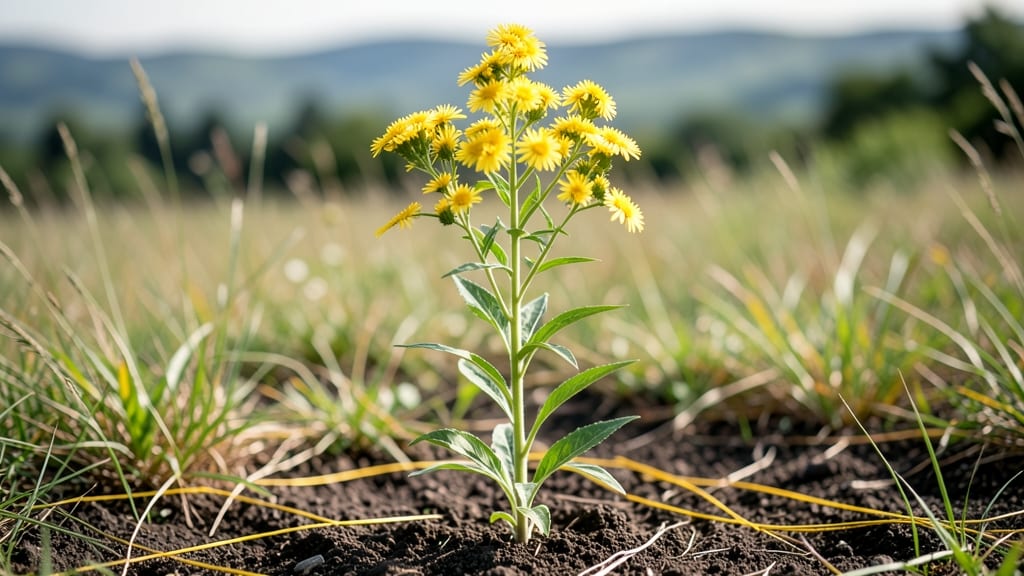
Seeing a yellow flower stalk on your prized plants is never a good sign — but it’s rarely a death sentence, either.
If your once-vibrant blooms now sport wilted, yellowing stalks, don’t assume it’s the end. The real culprit is often something fixable: overwatering, nutrient starvation, or even a sneaky fungal infection. I’ve seen Goldenrod 🌼 and sunflowers bounce back from this exact problem with just a few targeted tweaks.
Before you panic and yank out the whole plant, here’s the key: diagnosing the root cause is half the battle. Is it soggy soil? A lack of magnesium?
Or maybe those tiny green pests you’ve been ignoring? Each issue has a fast, specific solution — and I’ll walk you through every one.
By the end of this guide, you’ll know exactly how to revive your plants, plus proactive steps to keep those stalks strong for next season. No more guessing, just results.
3 Most common reasons your flower stalks turn yellow
Yellowing flower stalks can be a gardener’s worst nightmare, especially when your plants were thriving just days ago. This unsightly issue often signals deeper problems, but the good news is that most causes are easily identifiable and fixable.
Whether you're growing roses, sunflowers, or tomatoes, understanding the root cause is the first step to restoring your plants' health and beauty.
Flower stalks turn yellow due to three primary issues: overwatering, nutrient deficiencies, and fungal infections. Each of these problems manifests differently, so recognizing the symptoms early can save your plants from permanent damage.
Let’s break down what’s happening in your garden and how to diagnose each issue accurately.
Let’s start with overwatering, which is one of the most common culprits behind yellow flower stalks. When plants receive too much water, their roots become waterlogged, cutting off oxygen supply.
This leads to root rot, where roots turn brown and mushy. As the roots fail, the stalks above them begin to yellow and weaken, often starting at the base.
You’ll notice that the soil around overwatered plants stays soggy for days, and the stalks may feel soft or spongy to the touch.
If you gently pull on a stalk and it comes out easily, that’s a red flag. Tomatoes and petunias are particularly prone to this issue, especially in containers where water drains poorly. Always check your pots’ drainage holes and avoid letting plants sit in standing water.
Next, let’s tackle nutrient deficiencies, which often cause a more uniform yellowing across the entire stalk.
Unlike overwatering, nutrient issues don’t usually make the stems mushy—they simply lack the energy to maintain their green color. Nitrogen deficiency, for example, causes a pale yellow hue, while magnesium deficiency (often called chlorosis) appears as yellow patches between leaf veins.
To diagnose nutrient deficiencies, examine the older leaves first. If they’re yellowing while newer growth remains green, it’s likely a mobility issue with nutrients like nitrogen or potassium. For iron deficiency, you’ll see yellowing between veins on younger leaves.
Soil tests can confirm deficiencies, but you can also try amending the soil with compost or organic fertilizers like fish emulsion for a quick fix.
Finally, fungal infections often present with distinct visual cues, such as powdery white or black spots on stalks and leaves. Unlike nutrient deficiencies or overwatering, fungal issues spread rapidly in humid conditions, making them a gardener’s worst enemy.
Common fungal culprits include powdery mildew, black spot, and botrytis blight, all of which thrive in damp, shaded environments.
If you spot yellow spots accompanied by fuzzy growth or dark lesions, act fast. Fungal infections can weaken plants to the point of collapse if left unchecked. Prune affected areas immediately, and consider applying copper fungicides or neem oil to prevent further spread.
Improving airflow around your plants by spacing them properly can also reduce fungal risks.
Now that you know the three most common causes, you’re better equipped to diagnose and treat your yellowing flower stalks. The key is acting quickly—whether you’re adjusting your watering schedule, amending the soil, or applying fungicides.
With the right approach, your plants can bounce back to full health and continue blooming beautifully.
🌱
Step-by-step fixes for yellow flower stalks (by cause)
Yellow flower stalks are your plants’ way of screaming for help—but the fix depends entirely on the root cause. Whether it’s soggy soil, nutrient starvation, or a fungal party you didn’t invite, each problem requires a different approach.
I’ve saved Goldenrod 🌼 and sunflowers from this exact issue using these targeted fixes, and you can too.
The good news? Most yellowing stalks respond within 2-4 weeks to the right treatment. The bad news? Ignoring the problem for too long can turn a quick fix into a full plant replacement. Let’s diagnose and act fast—here’s how to tackle each common cause with precision.
Step-by-Step Fixes by Cause
- Overwatering/Soggy Soil:
- Stop watering immediately and let soil dry 2-3 inches deep before adding moisture again.
- Improve drainage by mixing in 2 inches of perlite or coarse sand to heavy clay soil.
- Repot affected plants into containers with drainage holes if growing in-ground.
- Apply a 1-inch layer of mulch around the base to regulate moisture.
- Nutrient Deficiency (Magnesium/Nitrogen):
- Test soil pH—ideal range for most flowers is 6.0-7.0. Adjust with lime (raise) or sulfur (lower).
- Add Epsom salt (1 tbsp/gallon of water) for magnesium deficiency (yellowing between veins).
- Fertilize with a balanced 10-10-10 or fish emulsion for nitrogen (yellowing older leaves).
- Water deeply after applying amendments to activate nutrients.
- Fungal Infection (Powdery Mildew/Root Rot):
- Prune all infected stalks 1 inch below the yellowing, using sterilized shears.
- Spray with a 1:10 baking soda-water mix (add a drop of dish soap) for powdery mildew.
- Drench soil with hydrogen peroxide (3%) to kill root fungi—repeat weekly for 3 weeks.
- Space plants 3-4 feet apart for better airflow and reduce humidity.
- Pest Infestation (Aphids/Spider Mites):
- Blast off pests with a strong spray of water to dislodge them.
- Apply neem oil (2 tbsp/gallon of water) and reapply every 5-7 days.
- Introduce ladybugs or lacewings as natural predators.
- Wipe leaves with a soapy water cloth to remove honeydew residue.
For Goldenrod 🌼, I’ve had the most success with the nutrient deficiency and fungal infection fixes—especially in humid summers. The key is acting within 48 hours of noticing yellowing. If stalks feel mushy (root rot) or have white powder (mildew), time is critical.
Pro tip: Keep a gardening journal to track watering, fertilizing, and weather patterns. This helps you spot patterns—like yellowing after heavy rain—that reveal the real cause next time. Most gardeners miss this step, but it’s a game-changer for prevention.
Remember, prevention is easier than cure. After treating your plants, focus on well-draining soil, proper spacing, and regular inspections to keep those stalks perky and green. Your flowers will thank you with bold, healthy blooms all season long!