
Blooming
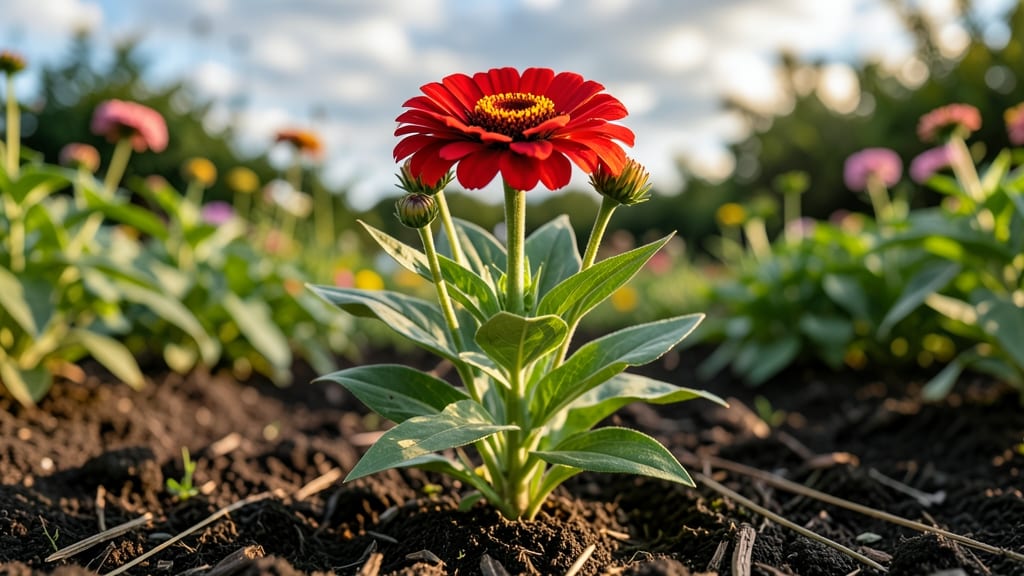
The zinnia seed-to-flower time can be as quick as 45 to 80 days—but the fastest varieties might surprise you with blooms in just 50 days if you optimize their growing conditions.
Picture this: you plant a single seed in early spring, and by late summer, your garden is bursting with vibrant zinnias 🌼 that attract pollinators and brighten every corner. The secret isn’t just patience—it’s knowing which varieties grow fastest and how to give them the best start.
Some zinnias, like the Thumbelina series, reach full bloom in under 60 days, while others take nearly twice as long. The difference often comes down to soil warmth, sunlight, and a few simple tricks that cut weeks off your wait time.
In this guide, I’ll break down the quickest-growing zinnias, share pro tips to speed up their growth, and explain how to troubleshoot slow germination. By the end, you’ll know exactly how to turn those tiny seeds into a show-stopping display faster than ever.

Fastest zinnia varieties from seed to flower (with exact bloom times)
If you're eager to see those vibrant zinnia blooms light up your garden, choosing the right variety can cut your wait time by weeks or even months. Some zinnias burst into color in just 50 days, while others take twice as long.
The fastest performers are typically dwarf varieties and Profusion Series hybrids, bred specifically for quick blooming and abundant flowers. Let’s dive into the top contenders and their exact bloom timelines so you can plan your garden for maximum impact.
For gardeners in USDA Zone 6a (like me!), timing is everything. Planting zinnias after the last frost date (April 15) ensures soil temperatures stay above 60°F, which is critical for fast germination.
The Thumbelina Mix variety often sets the record for speed, while Profusion Double Orange delivers a stunning punch of color in record time. Below, I’ve compiled a comparison of the fastest varieties, including their bloom times, ideal growing conditions, and why they outperform others.
The Thumbelina Mix is my go-to for containers and small spaces because it blooms in just 50-55 days and stays compact at 6-12 inches tall. Its multi-color blooms add instant cheer to patios and window boxes.
Meanwhile, the Profusion Series is a powerhouse for cut flowers, delivering 55-60 days to bloom with vibrant oranges, pinks, and reds that last for days in a vase.
If you’re aiming for a dramatic backyard statement, the Benary’s Giant Series takes a bit longer (65-75 days) but rewards you with towering 24-36 inch blooms.
For those who love elegant, long-stemmed flowers, the Crystal Series is a fantastic choice with its 60-65 day bloom time and delicate white, lavender, and pink hues. It’s perfect for bouquets and adds a touch of sophistication to any garden.
The Zahara Series, with its deep reds and burgundies, is another standout for cut flowers, offering 60-70 days to bloom and exceptional vase life.
All these varieties thrive in full sun (6+ hours daily) and well-draining soil, but their bloom times can vary slightly based on your local climate and growing conditions.
Pro tip: To speed up germination, soak your zinnia seeds in lukewarm water for 24 hours before planting. This trick can shave off 3-5 days from your total bloom time. Also, maintaining soil temperatures above 65°F during germination will give your seeds the boost they need to sprout faster.
Once planted, keep the soil consistently moist (not soggy) and avoid overcrowding—zinnias need space to breathe for optimal growth.
If you’re planting in containers, choose varieties like Thumbelina or Profusion to maximize your space. For in-ground planting, larger varieties like Benary’s Giant or Zahara will create stunning backdrops.
No matter which variety you choose, deadheading spent blooms will encourage continuous flowering throughout the season, giving you months of color from a single planting.
Ready to transform your garden into a zinnia paradise? Start with the fastest varieties, follow these care tips, and you’ll be enjoying
5 Pro tips to speed up zinnia growth and bloom faster
Ready to turn your zinnia seeds into a burst of color faster than ever? The key lies in science-backed strategies that optimize their growth cycle.
With the right approach, you can cut 10-30% off the typical zinnia seed-to-flower time, transforming your garden into a pollinator paradise weeks ahead of schedule. Let’s dive into the proven methods that work.
First, soil temperature is your secret weapon. Zinnias thrive when soil reaches 60-70°F, which triggers rapid germination. Use a soil thermometer to monitor warmth—if it’s cooler, try black plastic mulch to absorb heat.
Warm soil isn’t just about speed; it also prevents damping-off disease, a common pitfall that stalls growth before it starts.
Now, let’s talk light exposure. Zinnias are sun worshippers, but 6+ hours of direct sunlight isn’t just a recommendation—it’s a necessity. If your garden lacks full sun, consider a sunlight reflector or grow them in containers near a south-facing window.
Even an extra hour of light can accelerate flowering by 1-2 weeks, making a noticeable difference in your timeline.
- ✅ Warmth Boost: Use black plastic mulch to raise soil temp to 60-70°F for faster germination.
- ✅ Light Hack: Place seedlings near a south-facing window or use grow lights for 12+ hours/day.
- ✅ Feed Smart: Apply balanced 10-10-10 fertilizer at planting and again when buds form.
- ✅ Water Wisdom: Water deeply at soil level in the morning to avoid fungal risks.
- ✅ Space Savvy: Thin seedlings to 12-18 inches apart to prevent overcrowding and nutrient competition.
Don’t overlook the power of fertilization. Zinnias respond beautifully to a balanced 10-10-10 fertilizer, but timing is everything. Apply a light feed at planting to kickstart growth, then switch to a higher-phosphorus formula (like 5-10-10) when buds appear.
This shift encourages rapid flowering while keeping foliage lush. Avoid over-fertilizing with nitrogen, though—it’ll give you leafy monsters instead of blooms.
Watering might seem simple, but strategic irrigation makes all the difference. Zinnias hate wet foliage, which invites fungal diseases like powdery mildew. Instead, water deeply at the soil level in the early morning to let leaves dry quickly.
Mulch around plants to retain moisture and suppress weeds, which compete for nutrients. This method keeps your zinnias healthy and blooming without the setbacks of overwatering.
Lastly, thinning seedlings is a game-changer. Crowded zinnias fight for sunlight and nutrients, slowing their growth. Once seedlings have 2-3 true leaves, thin them to 12-18 inches apart. This might seem harsh, but it ensures each plant gets the space it needs to thrive and bloom faster.
Use sharp scissors to avoid disturbing roots, and consider transplanting the extras to another spot in your garden.
With these 5 pro tips, your zinnias will go from seed to vibrant bloom in record time. Combine warm soil, ample light, smart fertilization, and careful watering, and you’ll be rewarded with a show-stopping display that lasts all summer. Happy gardening! 🌼