
Flowers
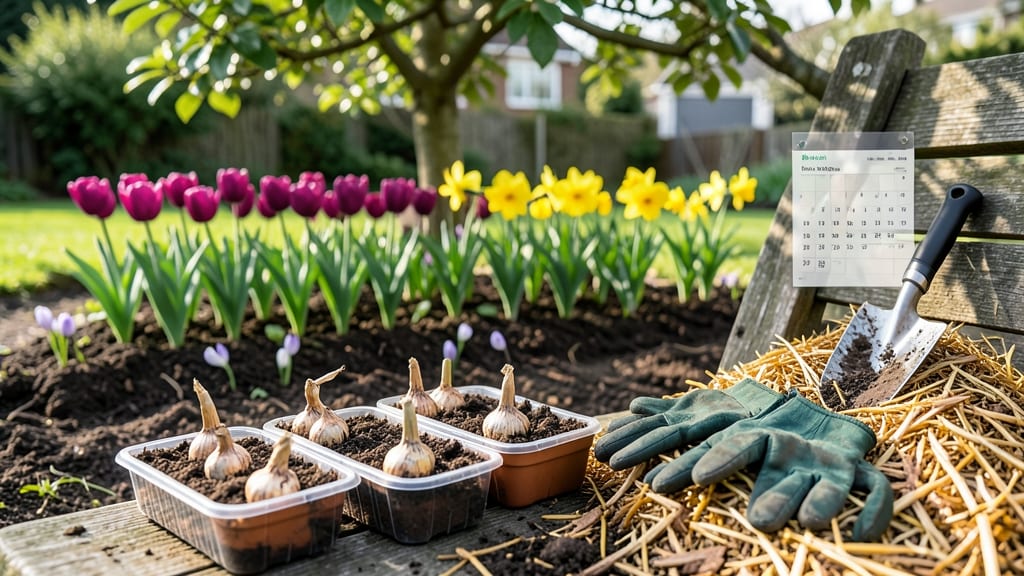
Zone 6a planting schedule for flowers unlocks the secret to a garden bursting with color—timing is everything, and one wrong move can leave you staring at bare soil instead of blooms.
If you’ve ever planted tulips in fall only to watch them rot in the ground, or waited too late to sow marigolds and missed the summer heat, you know how critical those weeks before last frost really are.
In Zone 6a, where frost lingers until mid-April and the growing season stretches just 165 frost-free days, the difference between a thriving flower bed and a flop comes down to when you put those seeds and bulbs in the earth.
Below, I break down the exact weeks before last frost to plant annuals, perennials, and bulbs—plus the top flowers that will reward you with blooms from spring through fall.

Zone 6A flower planting schedule by bloom time: weeks before last frost for maximum impact
Timing is everything when planting flowers in Zone 6A. The average last frost date is around April 15, but your exact timing depends on whether you're planting cool-season or warm-season varieties.
Get this wrong, and you’ll either have frost-nipped seedlings or flowers wilting in summer heat. Let’s break down the perfect planting windows for spring, summer, and fall blooms.
For spring-blooming flowers like tulips and daffodils, you’ll want to plant bulbs 6-8 weeks before the first frost—typically in September or October. Meanwhile, annuals like marigolds and perennials like coneflowers should wait until 2-4 weeks after the last frost for optimal growth.
The key is matching your plant’s cold hardiness with your climate’s frost-free window.
| Bloom Season | Plant Type | Weeks Before Last Frost | Examples | Notes |
|---|---|---|---|---|
| Spring | Bulbs | 6-8 weeks | Tulips, Daffodils, Hyacinths | Plant in fall for spring blooms. |
| Spring | Perennials | 4-6 weeks | Peonies, Bleeding Heart, Columbine | Cold-hardy; plant in early spring. |
| Summer | Annuals | 2-4 weeks | Marigolds, Petunias, Zinnias | Wait until after last frost. |
| Summer | Perennials | 3-5 weeks | Coneflowers, Black-Eyed Susans, Lavender | Hardy but thrive with warm soil. |
| Fall | Bulbs | 8-10 weeks | Crocus, Allium, Snowdrops | Plant in late summer for fall/winter color. |
| Fall | Annuals | 10-12 weeks | Pansies, Calendula, Snapdragons | Cold-tolerant; plant in early fall. |
If you’re planting heat-sensitive annuals like cosmos or sunflowers, aim for 3-4 weeks after the last frost—typically mid-to-late May. These varieties need warm soil to germinate, so don’t rush them.
For perennials like daylilies, which are more forgiving, you can plant as late as early June and still see strong growth.
For fall blooms, focus on cold-hardy annuals like pansies and late-season perennials such as asters. Plant these 8-10 weeks before the first frost—usually in early September.
This gives them time to establish roots before winter sets in. Bulbs like crocus are perfect for fall color and should be planted even earlier, around late August.
One common mistake is planting tender annuals too early. If you sow marigolds in March, they’ll bolt or rot in the cool, wet soil of early spring.
Instead, wait until after April 15—or when soil temps hit 60°F—to ensure strong, healthy seedlings. Use a soil thermometer if you’re unsure!
Don’t forget to prepare your soil before planting. Amend with compost and a balanced fertilizer (like 10-10-10) 2-3 weeks before planting to give roots a nutrient boost. For bulbs, mix in some sand
Best flowers to plant in Zone 6A for year-round color: month-by-month breakdown
Zone 6A gardeners know that timing is everything when it comes to planting flowers. With the right schedule, you can enjoy continuous blooms from early spring through frost.
The key is selecting flowers that thrive in each planting window and understanding how to extend their seasons with companion planting and maintenance.
For spring color, focus on cool-season flowers that tolerate light frosts, while summer plantings should prioritize heat-loving annuals. Fall offers another chance to add late-season blooms, and strategic bulb planting ensures winter interest.
Let’s break down the best flowers for each month and how to keep your garden vibrant all year.
Early Spring (March)
Plant tulips, daffodils, and crocus for early color. These cold-hardy bulbs thrive when planted 6-8 weeks before last frost. Add pansies and violas for edging and containers.
Late Spring (April-May)
Sow annuals like zinnias, marigolds, and cosmos after last frost. Plant perennials such as coneflowers and black-eyed Susans for long-lasting blooms. Use companion planting (e.g., marigolds with tomatoes) to deter pests.
Summer (June-July)
Extend summer blooms with sunflowers, snapdragons, and lantana. Deadhead spent blooms to encourage reblooming. Pair heat-loving flowers like salvia with drought-tolerant perennials for low-maintenance color.
Fall (August-September)
Plant fall-blooming asters, chrysanthemums, and goldenrod for late-season color. Add cool-season annuals like calendula to bridge gaps. Mulch perennials to protect roots from early frosts.
To extend bloom seasons, companion planting is your best friend. For example, pair marigolds with tomatoes to repel pests, or plant basil near petunias to enhance growth. Mulching with straw or shredded leaves helps retain moisture and regulates soil temperature, keeping flowers thriving longer.
Don’t forget to deadhead spent blooms regularly—this simple task encourages new flowers and keeps your garden looking fresh. In Zone 6A, where frost can arrive unexpectedly, choose hardy varieties like Russian sage or sedum for late-season interest.
With this month-by-month approach, your Zone 6A garden will burst with color year-round, from the first tulip peeks in spring to the golden hues of fall asters. Happy planting! 🌸🌿