
Flowers
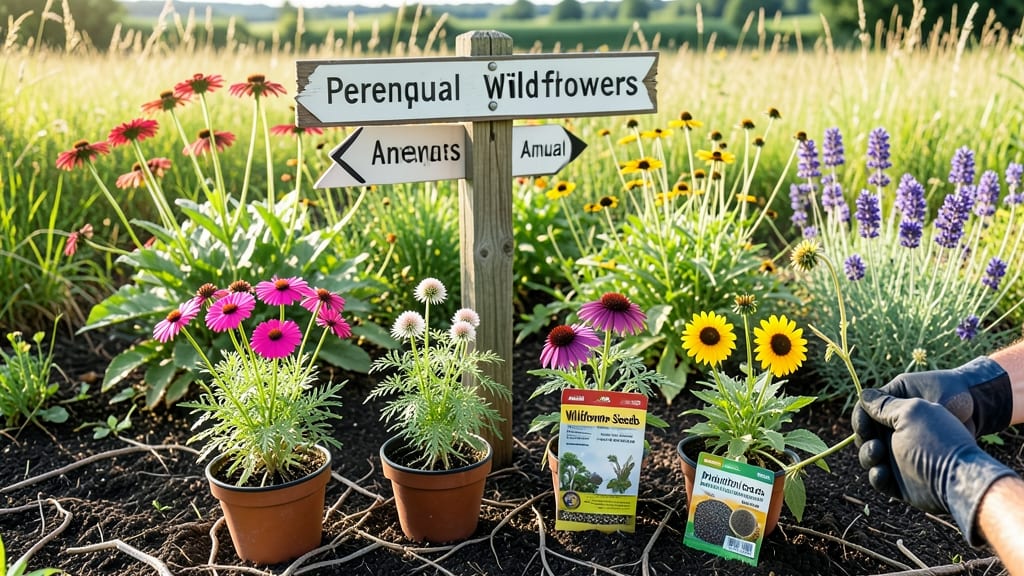
Wildflowers can be annuals or perennials, depending on the species, and knowing the difference is the key to a garden that blooms year after year.
Picture this: you’ve just spent hours scattering seeds for a wildflower meadow, only to watch it fade by summer’s end. Or worse, you’re left wondering why some varieties keep coming back while others vanish after one season.
The answer lies in their life cycles, and understanding it will change how you plan your garden forever.
Annual wildflowers like cosmos and marigolds complete their entire life cycle in one growing season, bursting with color before dying back. Perennials, such as black-eyed Susans and coneflowers, return year after year, offering long-term beauty with minimal effort.
But here’s the twist: some wildflowers don’t fit neatly into either category, making garden design even more exciting.
In this guide, I’ll break down the differences, share real-world examples, and show you how to mix annuals and perennials for a meadow that stays vibrant from spring to fall. Ready to turn your garden into a pollinator paradise?
Wildflower life cycles explained: annuals vs perennials vs biennials
Understanding whether wildflowers are annuals, perennials, or biennials is key to creating a thriving garden. Each type has distinct growth patterns that impact how you plant, maintain, and enjoy your wildflower meadow.
Annuals complete their entire life cycle in one season, perennials return year after year, and biennials take two years to bloom. Knowing these differences helps you plan for continuous color and minimal effort.
For example, black-eyed Susan (Rudbeckia hirta) is a perennial that blooms every summer, while cosmos is an annual that thrives for just one season. Meanwhile, hollyhock follows a biennial cycle, producing foliage the first year and stunning flowers the second.
These distinctions directly affect your planting strategy and long-term garden design.
| Type | Life Span | Bloom Duration | Examples | Garden Impact |
|---|---|---|---|---|
| Annuals | 1 growing season | Summer (one-time) | Cosmos, Zinnias, Marigolds | Quick color, replant yearly |
| Perennials | 3+ years | Seasonal (spring-fall) | Coneflower, Black-Eyed Susan, Lavender | Low-maintenance, long-term blooms |
| Biennials | 2 years | Year 2 (spring-summer) | Hollyhock, Foxglove, Sweet William | Delayed but dramatic blooms |
Annual wildflowers like cosmos and zinnias are perfect for gardeners who want immediate color and don’t mind replanting each year. These plants germinate quickly, grow fast, and produce vibrant blooms within weeks. However, their lifecycle ends with the first frost, so you’ll need to reseed or replant them annually. This makes them ideal for seasonal displays or filling gaps in your garden.
On the other hand, perennial wildflowers like coneflower and black-eyed Susan are the workhorses of the garden. They establish deep roots in their first year and then return year after year, often increasing in size and bloom quantity.
Perennials require less maintenance once established and provide consistent seasonal interest. For example, coneflowers bloom from midsummer to fall, attracting pollinators and adding structure to your garden.
Biennial wildflowers like hollyhock and foxglove follow a two-year cycle. In their first year, they focus on growing strong foliage and roots. The second year, they produce dramatic flowers before completing their lifecycle. Biennials are great for adding height and drama to your garden, but they require patience. Plant them in clusters to create a stunning focal point that emerges in their second year.
When planning your wildflower garden, consider mixing all three types to ensure year-round interest. For instance, start with annuals for instant color, add perennials for long-term beauty, and include biennials for delayed but impactful blooms.
This approach creates a dynamic garden that thrives across seasons with minimal effort after the initial planting.
Another key factor is bloom timing. Annuals like zinnias provide summer color, while perennials like bee balm extend blooms into fall. Biennials like foxglove often bloom in early summer, creating a layered effect.
By understanding these patterns, you can design a garden that offers continuous blooms from spring through frost.
For low-maintenance gardens, perennials are the easiest choice. They come back year after year with little care beyond occasional deadheading and division. Annuals require more frequent attention, like reseeding or replanting, but they offer flexibility in design.
Biennials strike a balance but need space to establish before they reward you with flowers.
One common mistake gardeners make is assuming all wildflowers follow the same lifecycle. For example, some poppies act as both annuals and perennials, depending on climate and conditions.
Always check the specific needs of each variety before planting. This knowledge helps you avoid disappointment and ensures your garden thrives as intended.
In summary, the lifecycle of your wildflowers determines their growth habits, bloom duration, and maintenance needs. By choosing a mix of annuals, perennials, and biennials, you can create a garden that’s vibrant, low-maintenance, and full of life—no matter the season.
Start small, experiment with different types, and watch your wildflower meadow transform into a pollinator paradise.
How to choose wildflowers based on your garden’s needs
Choosing wildflowers based on their life cycles is the secret to a garden that thrives with minimal effort. Annual wildflowers like cosmos and zinnias deliver instant color but require replanting each year, while perennial varieties such as coneflowers and black-eyed Susans establish roots and return season after season.
The key is matching your garden goals to the right mix—whether you want seasonal bursts of color or long-term beauty with less work.
For seasonal blooms, annuals are perfect—they fill gaps quickly and create vibrant displays. But if you dream of a low-maintenance meadow, perennials build over time, requiring less replanting and more pollinator support. The best approach? Combine both for year-round interest while keeping upkeep simple.
🌱
Annual vs. Perennial Wildflowers
- ✅ Fast color in one season
- ✅ Easy replanting for seasonal changes
- ✅ Great for pollinators in peak bloom
Examples: Cosmos, Marigold, Sunflower
- ✅ Returns yearly with minimal effort
- ✅ Builds over time for dense meadows
- ✅ Supports pollinators longer seasons
Examples: Coneflower, Black-Eyed Susan, Goldenrod
- ❌ Requires replanting every year
- ❌ Less long-term structure in garden
- ❌ Slower initial growth (1-2 years to establish)
- ❌ May need thinning over time
If you’re creating a pollinator-friendly garden, perennials win for long-term impact—bees and butterflies rely on consistent nectar sources. But annuals shine in seasonal displays, like filling summer gaps or creating cottage-garden charm.
For a balanced approach, plant annuals in borders and perennials in meadows—this way, you get both instant gratification and lasting beauty.
For long-term meadow establishment, focus on perennials like purple coneflower or bee balm, which spread naturally and thrive with little care. Mix in a few annuals like sunflowers for early-season drama. The result? A garden that evolves over time, requiring less work but offering more rewards each year.
Pro tip: Use biennials like foxglove or hollyhock to bridge the gap—they bloom in their second year, giving you a two-year payoff. This strategy ensures your garden stays vibrant without the annual replanting hassle.
☀️