
Flowers
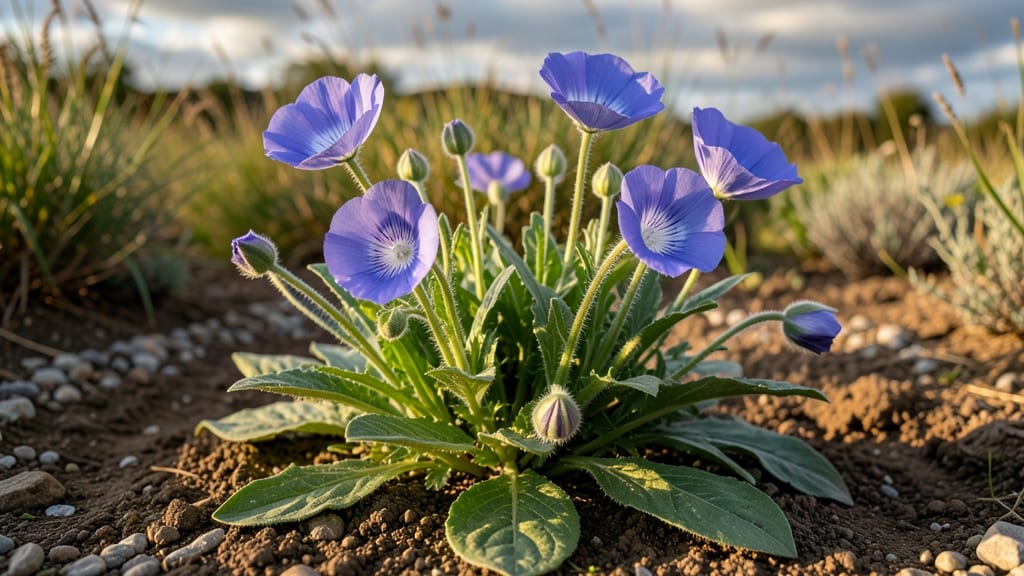
The balloon flower bloom time you’ve been waiting for arrives with precision—typically between June and August, depending on your USDA zone.
If you’ve ever planted Platycodon grandiflorus 🌸 hoping for vibrant blooms, only to be met with disappointment, timing is the key.
These striking flowers thrive when planted just right, and knowing the exact bloom windows by your zone can mean the difference between a stunning summer display and a missed opportunity.
In Zone 6a (like much of the Midwest), expect buds to swell in late May, with peak blooms stretching from June through July. Warmer zones like 8a or 9a may see flowers as late as September, while cooler climates in Zone 4 might delay blooms until early June.
Below, I’ll break down how to adjust planting times, troubleshoot delays, and keep those balloon-shaped blooms coming all season long—no guesswork required.
Balloon flower bloom time by USDA hardiness Zone: month-by-month guide
Balloon flowers (Platycodon grandiflorus) are a gardener’s dream for their vibrant colors and long-lasting blooms, but their timing varies dramatically depending on your USDA hardiness zone.
In cooler zones like Zone 3-5, expect blooms as early as late June, while warmer climates in Zone 8-9 may see flowers stretching into September. Understanding these patterns helps you plan your garden for maximum impact.
Regional differences also play a role—Pacific Northwest gardens often bloom 2-3 weeks later than Southern states due to cooler spring temperatures. Meanwhile, Southern gardens might experience a second flush of blooms in fall if conditions are right.
Let’s break down the exact months for each zone so you can time your planting for show-stopping color.
| USDA Zone | First Buds | Peak Bloom | Late Blooms | Notes |
|---|---|---|---|---|
| 3-4 | Late June | July-August | Early September | Cooler springs delay blooms; mulch to extend season. |
| 5-6 | Early June | June-July | Late August | Ideal for late-spring varieties like 'Sentimental Blue'. |
| 7-8 | May-June | June-August | September | Humid climates may need afternoon shade to prevent bud drop. |
| 9 | April-May | May-July | October | Plant in partial shade; may rebloom after summer rains. |
In Zones 3-4, where winters are harsh, balloon flowers often produce their first buds in late June after overcoming spring chill.
These zones benefit from early planting in spring (4-6 weeks before last frost) to give roots time to establish before blooming. Peak bloom occurs in July-August, but with proper care, you might catch a few late bloomers in early September.
Gardeners in Zones 5-6 enjoy an earlier show, with first buds appearing in early June.
This zone is perfect for late-spring varieties like 'Sentimental Blue', which thrive in cooler temperatures. Peak bloom stretches from June to July, and deadheading spent blooms can encourage a second wave in late August. These zones also see fewer pest issues, making maintenance easier.
Warmer Zones 7-8 kick off blooming as early as May-June, thanks to longer growing seasons. However, the humidity can stress plants, so providing afternoon shade helps prevent bud drop. Peak bloom lasts through August, with late blooms often appearing in September if summer rains are adequate.
In these zones, consider fall planting for a winter-to-spring display.
For those in Zone 9, balloon flowers are nearly year-round performers. First buds emerge as early as April-May, and blooming can continue until October with proper care.
These climates are ideal for partial shade planting, as direct sun can scorch delicate petals. Reblooming is common after summer rains, making Zone 9 gardens a balloon flower paradise.
To extend your balloon flower season, try these pro tips: deadhead spent blooms to encourage new growth, mulch heavily in fall to protect roots, and water deeply in drought-prone zones.
In cooler zones, consider container growing to move plants to sheltered spots when frost threatens. With the right timing, your balloon flowers can bloom for up to 4 months!
Regional microclimates can shift bloom times by 1-2 weeks, so observe your local patterns. For example, Pacific Northwest gardens in Zone 7 may bloom 2 weeks later than those in Southern California due to ocean breezes.
Adjust your expectations and enjoy the unique beauty of these versatile flowers year after year.
🌸
How to adjust planting time for earlier or later blooms
Want to shift your balloon flower bloom time earlier or later in the season? The secret lies in strategic planting and care techniques tailored to your USDA zone.
By adjusting when you plant, where you place them, and how you maintain them, you can coax blooms to appear as early as late May or stretch them into early fall.
These adjustments are especially useful if you live in Zone 4 (where blooms arrive late) or Zone 9 (where heat can shorten the season).
For gardeners in cooler zones, fall planting is your best friend. Planting balloon flowers in September or early October gives roots time to establish before winter, so they burst into bloom as early as May or June.
In warmer zones, consider succession planting—sow seeds every 4-6 weeks from spring to summer to ensure continuous color. This works especially well for annual varieties, which are more flexible than perennials.
Here’s how to fine-tune your approach for earlier or later blooms, with zone-specific tips to maximize success:
Don’t overlook the power of light adjustments. Balloon flowers need 6+ hours of sun daily, but in Zone 9, afternoon shade can prevent heat stress.
If your garden lacks full sun, try container growing on a sunny patio or balcony. Containers heat up faster, so water daily in summer to prevent wilting.
For a zone-specific checklist, start by noting your last frost date. In Zones 3-5, aim for September planting for spring blooms. In Zones 6-8, succession plant every 6 weeks from spring to summer.
Always deadhead weekly and monitor soil moisture—consistent watering is key to reliable blooms.
With these adjustments, you’ll transform your garden into a non-stop bloom machine, ensuring balloon flowers steal the show from May to September—no matter your zone. Happy gardening! 🌸