
Flowers
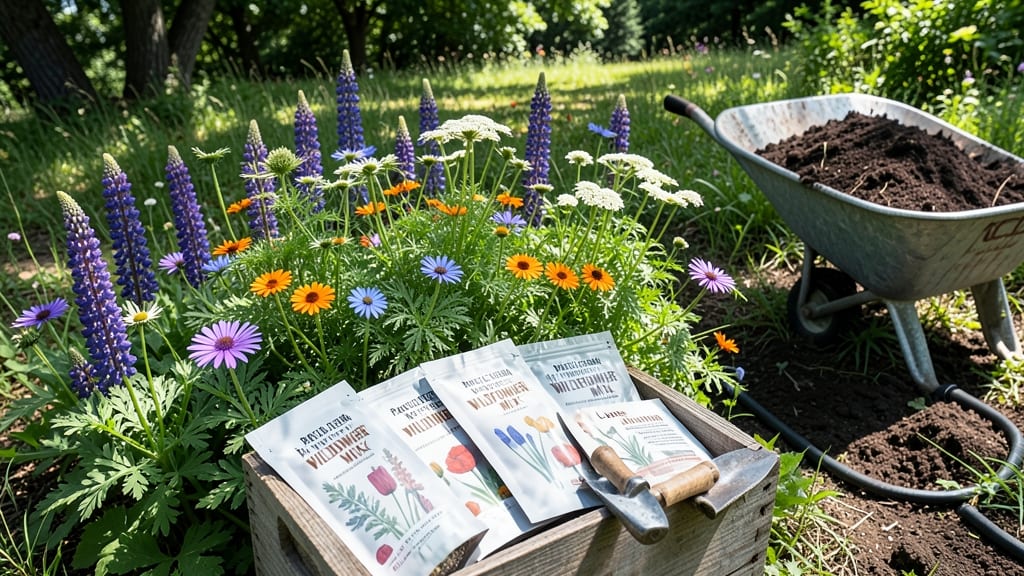
Plant wildflowers in the Pacific Northwest between early spring and fall to ensure vibrant blooms that feed pollinators all season long 🌼 — but timing varies drastically from coastal Oregon to the inland valleys.
Timing your wildflower planting in the Pacific Northwest can mean the difference between a vibrant meadow and a missed season—yet microclimates from coastal Oregon to eastern Washington create wildly different windows of opportunity.
In Zone 7b-9a, coastal areas like the Willamette Valley can plant as early as March, while inland valleys like the Columbia Basin wait until April to avoid late frosts. Fall planting in September offers a second chance for spring blooms.
Below, I break down the exact planting windows for your region, the best wildflower species for each season, and pro tips to beat frost and drought—so your meadow thrives with zero effort after the first year.
Pacific Northwest wildflower planting zones by microclimate: coastal vs. inland timing
The Pacific Northwest’s diverse microclimates create distinct wildflower planting windows. Coastal areas (Zones 7-9) enjoy milder winters, while inland valleys (Zones 5-7) face later frosts and high-elevation zones (Zones 3-5) require earlier starts. Understanding these differences ensures your wildflowers thrive from Portland to the Cascades.
Coastal regions like Seattle and Portland typically see their last frost by March 15, giving gardeners a 6-week head start compared to inland areas.
Meanwhile, inland valleys like Walla Walla or Yakima often wait until April 15 or later, with high-elevation zones needing late May or June starts for frost-sensitive species.
Soil temperature is equally critical—most wildflower seeds germinate best at 50-65°F. Coastal soils warm faster in spring, while inland areas may need cold stratification for species like lupines or bluebells. Let’s break down the ideal planting windows for each microclimate.
| Microclimate | USDA Zone | Last Frost Date | Ideal Planting Window | Soil Temp for Germination |
|---|---|---|---|---|
| Coastal (e.g., Seattle, Portland) | 7-9 | March 15–April 1 | Early March–Mid-April | 50–65°F |
| Inland Valleys (e.g., Walla Walla, Yakima) | 5-7 | April 15–May 1 | Late April–Early June | 55–70°F |
| High Elevation (e.g., Mount Rainier, Cascade Foothills) | 3-5 | June 1–July 1 | Late May–Early July | 60–75°F |
For coastal gardeners, early March is prime time to sow California poppies and checker blooms, which thrive in the region’s mild, moist springs. Inland areas should prioritize fall planting (September–October) for species like lupines and shooting stars, as cooler soils reduce drought stress during germination.
High-elevation zones demand patience—wait until soil temperatures exceed 60°F (typically late May or June) to avoid frost damage. Use black plastic mulch to warm soil faster if needed, or opt for cold-hardy natives like Lewis flax or mountain bluebells.
Pro tip: Test soil moisture before planting. Coastal areas often face overwatering risks, while inland soils may dry out too quickly. Amend with compost to improve water retention, especially in sandy valleys like the Columbia Basin.
Timing isn’t just about frost dates—it’s also about bloom cycles. Plant early-season wildflowers (e.g., bachelor’s buttons) in cooler months (March–April) and late-season bloomers (e.g., goldenrod) in early fall (September) for continuous color.
Always check your local USDA Plant Hardiness Zone for precise guidance, but these general rules apply across the PNW. With the right timing, your wildflower meadow will burst into color from spring to fall—no matter where you garden.
🌱
Best wildflower species for Pacific Northwest planting by season: spring vs. fall strategies
The Pacific Northwest's mild, wet winters and dry summers create perfect conditions for wildflowers, but the right timing ensures vibrant blooms. Spring planting (March–April) works for fast-germinating species, while fall planting (September–October) gives seeds time to establish roots before winter. Coastal areas can plant 2–4 weeks earlier than inland zones.
Native wildflowers thrive with minimal care once established, but moisture retention and frost sensitivity vary by species. Lupines and yarrow handle fall planting beautifully, while California poppies and blanket flowers prefer spring. Below, I’ve organized the best species by season and region for foolproof success.
| Species | Best Planting Season | Frost Tolerance | Moisture Needs | Bloom Time |
|---|---|---|---|---|
| California Poppy (Eschscholzia californica) | Early spring (March–April) | Low (avoid late frosts) | Low (drought-tolerant) | Late spring–early summer |
| Lupine (Lupinus spp.) | Fall (September–October) or early spring | High (perennial roots) | Medium (well-draining soil) | Spring–early summer |
| Blanket Flower (Gaillardia aristata) | Spring (April–May) | Medium (avoid frost) | Low (drought-resistant) | Summer–fall |
| Yarrow (Achillea millefolium) | Fall (September) or spring | High (hardy perennial) | Low (adaptable) | Summer–fall |
| Oregon Sunshine (Lomatium nudicaule) | Early spring (March) | Low (coastal only) | Low (arid conditions) | Spring |
For coastal gardens (Zone 8–9), prioritize California poppies and Oregon sunshine in early spring. Their low frost tolerance means planting after the last frost (typically mid-March). In inland valleys (Zone 6–7), fall-planted lupines and yarrow establish deeper roots, surviving winter with ease.
Adjust watering based on soil type: Sandy soils dry faster, so water deeply every 5–7 days after planting. Clay soils retain moisture longer, requiring bi-weekly checks. Mulch with straw or wood chips to lock in moisture and suppress weeds—critical for drought-prone summers.
Pro tip: Mix fast germinators (like poppies) with slower growers (like lupines) for layered blooms. Scatter seeds lightly—wildflowers self-seed, so avoid overcrowding. Once established, these perennials need almost no maintenance, just occasional deadheading to encourage more blooms.
🌼