
Blooming
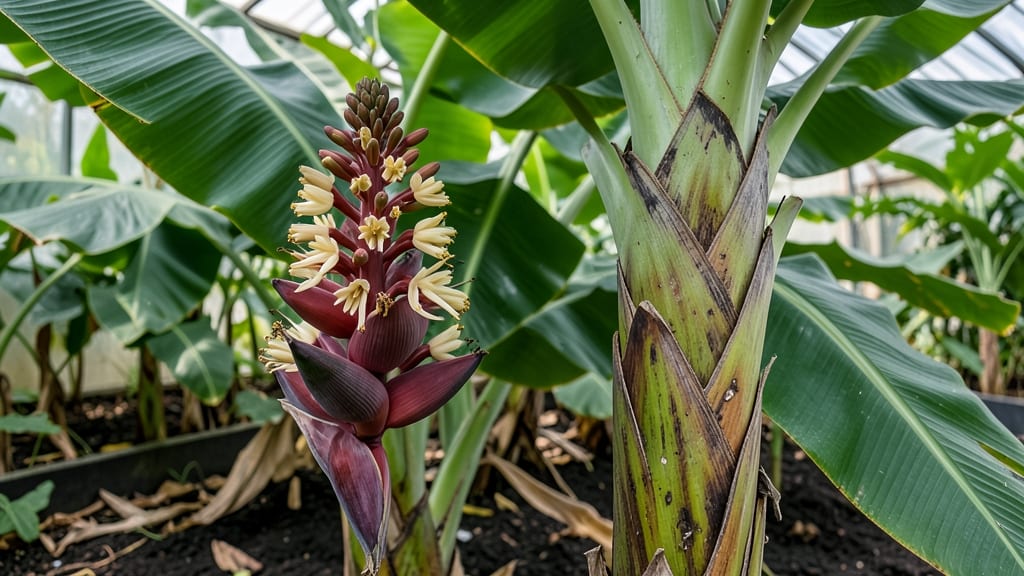
Recognizing the banana flowering stage is your first clue that sweet, homegrown fruit is just months away 🍌 — and missing it means waiting another year for harvest.
Did you know your banana plant’s flowering stage is the most critical window for fruit production—and missing it means waiting another year? That single flower spike holds the key to your entire harvest, yet many growers overlook the subtle signs that signal it’s time to act.
In tropical and subtropical climates like zones 10-12, your banana’s pseudostem will begin splitting, revealing a tight bud at its center. This isn’t just a visual milestone—it’s a biological shift that demands immediate attention to support pollination and fruit development.
Below, I’ll walk you through the three unmistakable signs of flowering, how to protect your plant during this vulnerable phase, and the simple adjustments that can double your yield—even if your banana has never bloomed before.
3 Unmistakable signs your banana plant is entering flowering stage
Your banana plant’s journey to flowering is one of nature’s most fascinating transformations. Unlike many plants, bananas don’t bloom with showy petals but instead develop a dramatic flower spike from their center. Missing these critical signs means waiting another year for fruit—so knowing what to watch for is essential.
Whether you’re growing in tropical heat or a subtropical microclimate, these visual cues will help you act at the perfect moment.
In tropical regions, banana plants often flower within 9-12 months of planting, while subtropical varieties may take slightly longer due to cooler winters. The key is recognizing the three unmistakable signs that your plant is ready to bloom.
These indicators appear in a specific sequence, and understanding them can help you prepare for the fruit development phase ahead. Let’s break down what to look for in your own backyard.
🌱 3 Signs Your Banana Is Flowering
- 📍 1. Pseudostem Splitting
Notice a vertical crack forming at the center of your banana’s pseudostem (the "trunk"). This is where the flower spike will emerge. In tropical climates, this happens suddenly, while subtropical plants may show gradual splitting. - 🌿 2. Flower Spike Emergence
The inflorescence (flower spike) pushes through the split, resembling a purple or red "hand" with bracts (modified leaves). This spike grows rapidly—sometimes 1-2 feet per day—and will eventually develop into your fruit bunch. - 🍃 3. Leaf Color Changes
The oldest leaves at the base turn yellow or brown and may wither. This is your plant’s way of redirecting energy to fruit production. In subtropical zones, this change often coincides with warmer spring temperatures.
Once you spot the pseudostem splitting, act quickly. This is when your banana plant begins its metabolic shift from leaf production to fruit development.
The emerging flower spike (or "hand") is a sight to behold—it starts as a tight cluster of purple bracts and unfurls over days, revealing tiny female flowers at the base and male flowers near the tip.
If you’re in a subtropical climate, like Zone 9-10, timing is everything. The flower spike often appears when daytime temperatures consistently stay above 70°F (21°C). In cooler mornings, protect your emerging spike with a frost cloth or move potted plants indoors temporarily.
This delicate phase is when many growers lose potential harvests due to temperature stress.
Don’t overlook the leaf color changes as a secondary confirmation. While the flower spike is the star of the show, the yellowing base leaves signal your plant’s energy is shifting. In my own garden, I’ve seen Cavendish bananas drop their oldest leaves just 2-3 weeks before the spike fully unfurls.
This is your cue to reduce nitrogen-rich fertilizers and switch to a phosphorus-heavy blend to support fruit development.
The flower spike’s growth rate is another clue to your plant’s health. A healthy spike grows several inches per day and may even weep sap as it stretches upward. If growth stalls or the spike wilts, check for pests like banana aphids or nutrient deficiencies.
In my experience, a lack of potassium often causes weak spikes—so a Epsom salt spray (1 tbsp per gallon of water) can help revive it.
For tropical growers, flowering timing aligns with the wet season in many regions. The high humidity and consistent rainfall create ideal conditions for the spike to emerge and develop.
If you’re in a drier subtropical area, like Arizona or Southern California, supplement with daily watering during this phase to prevent stress. A mulch layer around the base also helps maintain moisture and soil warmth.
Once you confirm all three signs—pseudostem splitting, spike emergence, and leaf changescommitted to fruiting. This is the moment to cease heavy pruning and focus on supporting the developing bunch.
In my next section, I’ll cover what happens after the spike emerges and how to protect your plant during this vulnerable phase.
Remember, every banana plant has its own timeline, but these visual cues are universal. By recognizing them early, you’ll be ready to guide your plant through flowering and maximize your harvest—whether you’re growing dwarf Cavendish or giant Red Dacca varieties. Happy growing! 🌱
Banana flowering stages explained: what happens after the spike emerges?
Once your banana plant’s flower spike emerges from the center of the pseudostem, the real magic begins—but so does a delicate phase requiring your attention. This 1-2 week window determines whether your plant will produce fruit or collapse from stress.
The spike, called an inflorescence, unfurls like a tight fist, revealing tiny flowers that will eventually become your bananas.
Understanding this process helps you protect your plant during its most vulnerable stage. Without proper care, the pseudostem may split too quickly, or the fruit bunches could fail to develop. Let’s break down what happens after that first spike appears and how to support your banana through this critical phase.
| Stage | Key Development | Your Action |
|---|---|---|
| Spike Emergence | Inflorescence unfurls; tiny flowers appear | Support spike with a stake if needed |
| Pollination | Flowers drop; fruit bunches ("hands") form | Hand-pollinate if no bees (use cotton swab) |
| Fruit Growth | Bunches grow; pseudostem weakens | Reduce water slightly; add potassium |
| Pseudostem Collapse | Stem splits; plant dies back | Harvest fruit; remove dead stem |
The first 24-48 hours after the spike emerges are critical for pollination. In tropical climates, bees naturally pollinate the flowers, but in cooler or urban areas, you may need to hand-pollinate using a cotton swab to transfer pollen between flowers.
This simple step ensures fruit bunches ("hands") form properly. Without pollination, the spike will wither, and you’ll lose your harvest.
As the fruit bunches develop, your banana plant’s pseudostem weakens—it’s designed to collapse after fruiting to redirect energy to the next generation. During this phase, reduce watering slightly (but don’t let the soil dry out) and switch to a potassium-rich fertilizer (like banana peel tea) to support fruit maturation.
Overwatering now can cause the pseudostem to rot prematurely.
Watch for pest pressure like banana aphids or fruit flies, which target the emerging fruit. Apply neem oil or insecticidal soap as a preventive measure.
The pseudostem’s collapse is natural, but if it happens too quickly (within 2-3 weeks of flowering), your plant may have been stressed by nutrient deficiencies or temperature shocks.
Once the pseudostem splits and the plant dies back, it’s time to harvest your bananas when they reach full color. The mother plant won’t produce again, but its pups (offspring) at the base will grow into new banana plants for next season.
Remove the dead pseudostem to prevent disease and give the pups room to thrive.
Protecting your banana during this stage isn’t just about yield—it’s about setting up future harvests. By understanding these steps, you’ll turn a vulnerable flowering phase into a reliable fruit production system year after year. 🌱