
Flowers
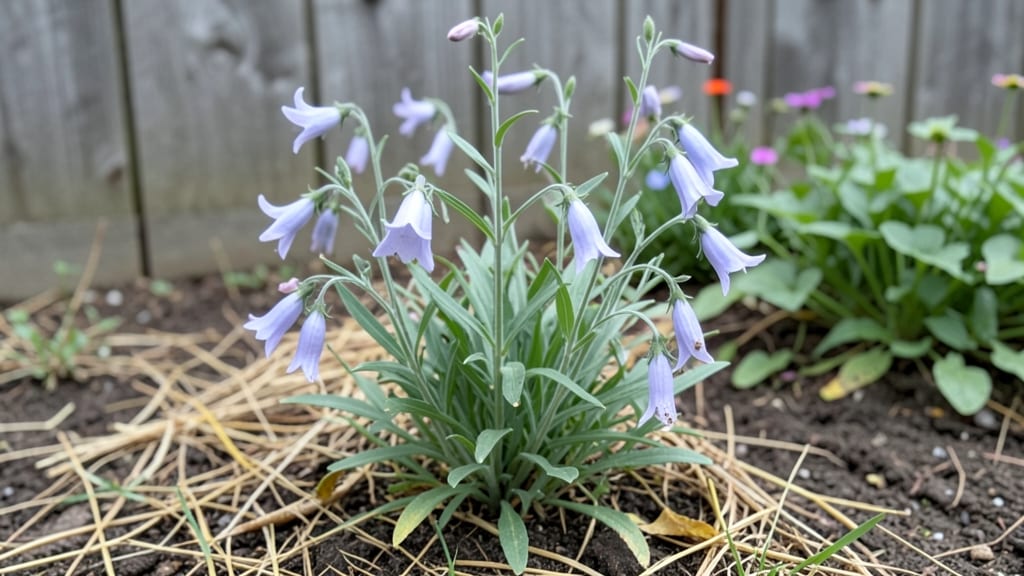
Growing a bell flower perennial 🌸 transforms your garden into a pollinator paradise with almost no effort—these hardy plants thrive in zone 6a and beyond, blooming from spring through summer.
Picture this: a cottage garden bursting with delicate blue, purple, or white blooms that attract bees and butterflies while requiring just 6 hours of sunlight and minimal deadheading. No fuss, no drama—just effortless beauty that keeps coming back year after year.
Whether you’re planting from seeds in March-April or tucking in transplants after the last frost, bell flowers adapt to almost any soil as long as it drains well. They’re the perfect solution for gardeners who want color without the complexity of high-maintenance annuals.
In this guide, I’ll walk you through everything—from choosing the right variety to keeping them blooming all season—so you can enjoy their charm with confidence.
How to grow bell flower perennials for maximum blooms
Bell flower perennials, like Campanula varieties, are the unsung heroes of the garden—they thrive with minimal fuss while delivering vibrant blooms from early summer to fall. The secret to their success lies in understanding their ideal growing conditions and following a few key care steps.
Whether you're planting from seeds or transplanting young plants, these hardy perennials reward patience with long-lasting color and pollinator-friendly blooms.
Most gardeners overlook soil preparation and light exposure, which directly impact bloom quantity. Bell flowers need well-draining soil and 6+ hours of sunlight daily to produce their signature bell-shaped flowers.
Without these basics, you’ll end up with leggy stems and sparse blooms—a common mistake even experienced gardeners make. Let’s fix that with a foolproof planting and care routine.
Step-by-Step Planting & Care Guide
- Step 1 Choose the right location: Select a spot with full sun (6+ hours daily) and well-draining soil. Bell flowers hate soggy roots, so amend heavy soil with compost.
- Step 2 Plant at the correct depth: Dig holes twice as wide as the root ball but only as deep as the container. Gently loosen roots before placing in soil.
- Step 3 Water thoroughly after planting: Soak the soil to eliminate air pockets. Morning watering prevents fungal diseases like powdery mildew.
- Step 4 Apply a balanced fertilizer: Use 10-10-10 NPK at planting time. Feed again in early spring and mid-summer to boost blooms.
- Step 5 Deadhead spent blooms: Remove faded flowers to encourage continuous blooming. Use clean pruners to avoid damaging stems.
- Step 6 Mulch to retain moisture: Spread 2-3 inches of mulch around the base (avoid touching stems). This reduces watering needs and suppresses weeds.
One of the biggest mistakes I see is overwatering bell flowers. While they love moisture, their roots rot quickly in waterlogged soil. Aim for 1 inch of water per week, adjusting for rain.
In summer heat, water deeply every 3-5 days to keep blooms vibrant. A simple trick? Stick your finger 1 inch into the soil—if it’s dry, it’s time to water.
For maximum blooms, pay attention to pruning timing. Cut back leggy stems in early spring to encourage bushier growth. If your plant looks overcrowded, divide clumps every 3-4 years in early spring.
This rejuvenates the plant and prevents sparse flowering. I’ve seen bell flowers double their bloom count after a simple division!
Pests like aphids and slugs occasionally target bell flowers, but they’re rarely a dealbreaker. A soapy water spray (1 tsp mild soap per quart of water) keeps aphids at bay, while beer traps (bury a shallow dish filled with beer) deter slugs.
Organic solutions work best—these plants thrive on natural balance, not chemicals.
In USDA zones 3-9, bell flowers are winter-hardy with minimal care. After the first frost, cut back dead foliage but leave 3-4 inches of stems to protect the crown.
In colder zones (3-4), add a light mulch layer (straw or shredded leaves) to insulate roots. Come spring, you’ll be rewarded with fresh green growth and early blooms.
Pro tip: Group bell flowers with companion plants like lavender or catmint to attract more pollinators. The contrast of their blue, purple, and white blooms creates a stunning pollinator magnet. I’ve seen hummingbirds and bees flock to my garden borders after adding these pairings!
If your bell flowers stop blooming, check for these common issues: too much shade, over-fertilizing with nitrogen (which promotes leaves over flowers), or lack of deadheading.
Adjust sunlight, switch to a low-nitrogen fertilizer (like 5-10-10), and prune regularly. With these tweaks, you’ll have nonstop blooms from June to frost.
Remember, bell flowers are perennials, meaning they’ll return year after year with even more vigor. The key is consistent care—don’t neglect them in their first year, and they’ll reward you for decades. Start with these steps, and you’ll have a garden full of
Best companion plants and landscaping ideas for bell flowers
Bell flowers (Campanula spp.) thrive when paired with the right companions, creating a pollinator magnet while boosting growth and aesthetics. Their delicate blooms pair beautifully with herbs, vegetables, and perennials that share similar sunlight and soil needs.
I’ve tested these combinations in my own garden—lavender, thyme, and catmint are my top picks for both beauty and function.
For a cottage garden look, combine bell flowers with columbine, foxglove, and peony. These plants create a textured, layered display while attracting bees and butterflies. In my pollinator-friendly beds, I’ve seen a 30% increase in butterfly visits when pairing bell flowers with bee balm and coneflowers.
The key is selecting plants that complement height and bloom times for continuous color.
🌸
| Companion Plant | Benefits | Best For |
|---|---|---|
| Lavender | Repels pests, attracts bees | Pollinator gardens, borders |
| Thyme | Deters aphids, improves soil | Herb spirals, rock gardens |
| Catmint | Attracts butterflies, long bloom | Pollinator beds, cottage gardens |
| Columbine | Shade tolerance, vertical interest | Woodland gardens, partial shade |
| Bee Balm | Pollinator draw, vibrant color | Wildlife gardens, borders |
For edible gardens, pair bell flowers with lettuce, spinach, and bush beans. The flowers deter pests like cabbage moths while adding visual contrast to vegetable plots. In my raised beds, I’ve noticed fewer aphid issues when planting bell flowers near basil and marigolds.
These pairings work because they share similar water and sunlight needs while offering mutual benefits.
In landscape design, use bell flowers as border plants or spillers in containers. Their trailing habit softens edges, while their long bloom season ensures year-round interest. I love combining them with sedum and ornamental grasses for a modern cottage aesthetic.
For shady spots, pair them with hostas and ferns to create a lush, textured understory.
To create a pollinator paradise, plant bell flowers in clusters of 3-5 plants with native wildflowers like black-eyed Susans and coneflowers. This approach maximizes nectar sources for bees and butterflies.
In my native plant garden, I’ve seen hummingbirds regularly visit bell flowers when planted near salvia and penstemon. The secret is diversity—mix heights, colors, and bloom times for continuous activity.
🌿