
Flowers
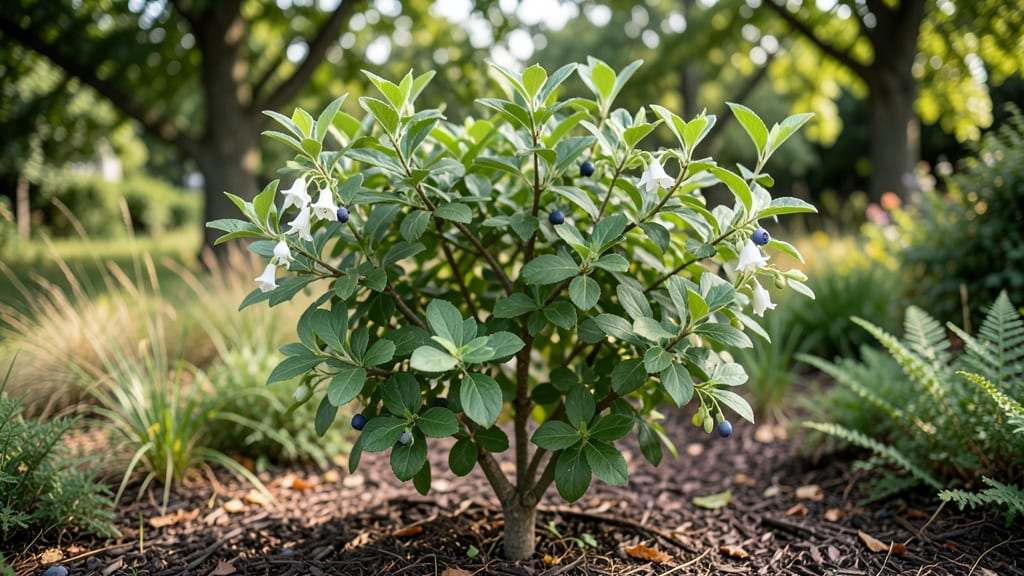
Transforming a blueberry flower 🫐 into fruit isn’t just luck—it’s science, timing, and a few clever tricks most gardeners miss.
Did you know that 90% of blueberry flowers fail to produce fruit without the right pollination? Even if your bushes are blooming, poor fruit set can leave you staring at empty branches by summer.
The good news? With the right steps, you can turn those delicate blossoms into a harvest of plump, juicy berries—no beekeeping degree required.
From understanding how cross-pollination works to fixing common issues like blossom drop, this guide breaks down the exact steps to maximize your blueberry yield. Whether you’re dealing with USDA Zone 6a conditions or just curious why some flowers never make it to harvest, we’ve got the answers.
Ready to go from blooms to berries like a pro? Let’s dive into the secrets of pollination, environmental tweaks, and care tips that actually work—so you can enjoy a bigger, sweeter harvest this season.
The science behind blueberry flower to fruit transformation
When you see those delicate blueberry flowers in spring, you're witnessing the first step toward a bountiful harvest. But here's the secret: only about 10% of flowers naturally convert into fruit without human intervention.
The transformation from flower to fruit involves a fascinating biological process that combines pollination, fertilization, and environmental factors. Understanding this science helps you troubleshoot why some flowers drop off or fail to develop.
Blueberries are self-pollinating but benefit from cross-pollination between different varieties. The pollen must transfer from the anther (male part) to the stigma (female part) of the flower for fertilization to occur.
Without this transfer, the flower will eventually drop off without producing fruit. Even when pollination happens, environmental stressors like temperature swings or drought can cause flowers to abort.
The Blueberry Flower-to-Fruit Journey
Late winter to early spring
Blueberry bushes form flower buds in late winter. These buds develop from axillary meristems (growth points) on last year's wood. Cold stratification (exposure to winter chilling) is essential for bud break.
April to May (varies by zone)
Flowers bloom in 5-7 day cycles, with each cluster (called an inflorescence) opening over several days. Each flower has 10 stamens (male) and a central stigma (female). Humidity below 50% can reduce pollen viability.
Days 1-3 after blooming
Pollen must transfer to the stigma. Bees and wind are primary pollinators, but hummingbirds also help. Self-pollination occurs when pollen lands on the same flower's stigma, while cross-pollination (between bushes) increases genetic diversity and fruit set.
Days 3-7 after pollination
Once pollen reaches the stigma, it grows a pollen tube to the ovule. Fertilization occurs, and the ovary begins swelling into a fruit. Temperature below 50°F or above 90°F can halt this process.
Weeks 2-4 after blooming
The berry begins forming as the ovary expands. At this stage, nutrient competition between flowers and existing fruit can cause blossom drop. Thinning weak berries (removing small ones) helps larger fruit develop.
Weeks 6-10 after blooming
Berries change color from green to blue due to anthocyanin pigments. Sunlight exposure and acidic soil pH (4.5-5.5) are critical. Water stress or nutrient deficiencies (like calcium) can cause cracking or poor color development.
One of the most common questions I hear is, "Why do some blueberry flowers drop off?" The answer lies in resource allocation. Blueberry bushes have limited energy, and when conditions aren't ideal—like late frosts damaging new blooms or drought stress—the plant prioritizes survival over fruit production.
Even after pollination, environmental factors like high winds or
How to boost pollination for maximum blueberry fruit production
Blueberries rely on pollinators and the right growing conditions to turn those delicate flowers into juicy fruit. Without intervention, many blossoms fall off before setting fruit, leaving you with a disappointing harvest.
The good news? You can double your yield with a few simple strategies—even if bees aren’t visiting your bushes.
First, let’s tackle the biggest pollination challenges: limited bee activity, environmental stress, and poor flower retention. By combining natural methods (like planting pollinator-friendly flowers) with manual techniques (such as hand-pollination), you’ll give your blueberries the best chance to thrive. Let’s break down the steps that actually work.
Plant bee-friendly flowers like lavender, borage, or clover near your blueberries. Native bees are 3x more effective at pollinating blueberries than honeybees.
Use a soft paintbrush to transfer pollen between flowers on cloudy or bee-free days. Do this in the morning when flowers are open.
Test your soil—blueberries need pH 4.5-5.5. Use sulfur or peat moss to lower pH if needed. Acidic soil improves flower retention and fruit development.
Avoid overwatering or drought stress during bloom. Keep soil consistently moist but well-draining to prevent flower drop.
If you’re in a low-pollinator area, hand-pollination is your best friend. Grab a soft-bristled paintbrush or cotton swab and gently transfer pollen from one flower to another.
Focus on morning hours when flowers are fully open and sticky with pollen. For larger bushes, prioritize 10-15 flowers per branch to maximize fruit set.
Don’t overlook the power of mulching! A 2-3 inch layer of pine needles or wood chips helps maintain soil acidity and retains moisture—both critical for fruit development. Plus, it suppresses weeds that compete with your blueberries for nutrients. Replenish mulch annually in early spring for best results.
For organic fertilization, use a balanced acid-loving fertilizer (like 10-10-10) in early spring and again after harvest. Avoid high-nitrogen fertilizers—they promote leafy growth at the expense of fruit production. Instead, opt for a low-nitrogen, high-phosphorus blend to encourage flowering and fruiting.
Finally, keep an eye out for pests like birds or rodents that may snack on your blossoms. Use bird netting during peak bloom if needed, and remove any damaged flowers to redirect the plant’s energy toward healthy fruit development.