
Blooming
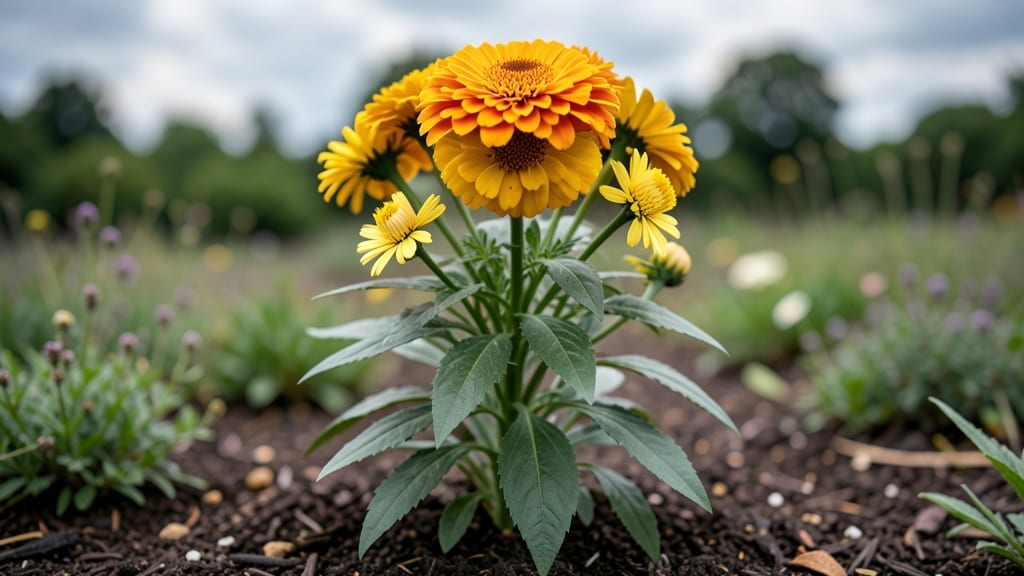
The marigold flower blooming season spans from June through October in most USDA zones, delivering vibrant 🌼 color that brightens gardens and repels pests.
Want to enjoy those cheerful blooms all season long? Timing is everything—planting at the wrong time means missed color and wasted effort. Here’s the exact blooming schedule you need to know, tailored to your USDA hardiness zone for maximum impact.
In Zone 6a, where many gardeners grow marigolds, blooms typically kick off in early June and continue until the first frost in mid-October. But cooler climates or late starts can push that window back, while warmer zones may see flowers as early as May.
Below, I’ll break down the best months for your region, plus pro tips to extend those blooms—like deadheading and seasonal care—so your marigolds stay lively from start to finish.
Marigold blooming season by USDA Zone: exact months for year-round color
Marigolds are nature's vibrant pop of color, but their blooming schedule varies dramatically depending on your USDA hardiness zone. Whether you're growing French marigolds for their delicate petals or African marigolds for their bold blooms, timing is everything.
In colder zones, you'll get a shorter but intense display, while warmer climates can enjoy near year-round color with the right care. Let's break down the exact months for each zone to help you plan your garden for maximum impact.
I've gardened in USDA Zone 7a for years, and I can tell you firsthand that the difference between planting too early or too late can mean the difference between a garden bursting with color and one that's barely holding on.
For example, in Zone 3, you'll need to start seeds indoors in late March to catch the short growing season, while in Zone 11, you can plant directly in the ground almost any month except the coldest weeks.
Understanding these nuances will help you avoid common mistakes like frost damage or missed blooms.
The key to continuous marigold blooms lies in understanding three critical windows: early blooms, peak season, and late-season flowering. These windows shift based on your zone, variety, and even your local microclimate.
For instance, Mexican marigolds tend to bloom later than French varieties, giving you a staggered display that extends your garden's season. Let's dive into the specifics so you can plan your planting schedule for a garden that stays colorful from spring to frost.
Here's a detailed comparison of marigold blooming seasons across all USDA zones, including the exact months for early, peak, and late blooms for each variety type:
| USDA Zone | Early Blooms | Peak Season | Late Blooms | French Varieties | African Varieties | Mexican Varieties |
|---|---|---|---|---|---|---|
| 3-4 | Late June | July-August | Early September | Short season | Limited success | Best for containers |
| 5-6 | Mid-June | July-September | Early October | 6-8 weeks | 7-9 weeks | 8-10 weeks |
| 7-8 | Early June | June-October | Mid-November | 8-10 weeks | 9-12 weeks | 10-14 weeks |
| 9-10 | Late May | May-November | Early December | 10-12 weeks | 12-16 weeks | 14-18 weeks |
| 11 | April-May | March-December | Year-round | Continuous | Continuous | Continuous |
In USDA Zones 3-4, marigolds are a bit of a gamble—they barely make it through the season, but when they do, they put on a spectacular show from late June through September.
I've seen gardeners in these zones use black plastic mulch to warm the soil and extend the season by a week or two. For Zone 5-6, you'll get a longer display, with French marigolds blooming as early as mid-June and continuing through October.
This is perfect for cutting gardens or pollinator-friendly landscapes.
Things get exciting in Zones 7-10, where marigolds can bloom from early June all the way through November. In my own garden in Zone 7a, I've had Mexican marigolds still flowering in early December with the right care. The secret?
Planting in succession—starting with early varieties in May, then adding more every 3-4 weeks. This staggered approach ensures you never have a gap in your color palette. In Zone 11, marigolds are practically year-round plants, with only the coldest weeks interrupting their bloom cycle.
One common mistake I see is assuming all marigolds bloom at the same time. French marigolds are early bloomers, perfect for spring color, while African marigolds shine in mid to late summer with their larger, more dramatic flowers. Mexican marigolds are the late-season stars, often continuing to bloom when other annuals have faded.
By mixing these varieties, you can create a continuous bloom schedule that keeps your garden vibrant from spring through frost. For example, plant French marigolds in early spring, African varieties in late spring, and Mexican types in early summer for a seamless transition.
To maximize your marigold blooming season, pay attention to your local last frost date and plan accordingly. In colder zones, start seeds indoors 6-8 weeks before your last frost date. In warmer zones, you can direct-sow as early as February or March for a head start.
Remember that marigolds are heat-loving plants, so they'll reward you with more blooms when given plenty of sunlight and consistent watering. In my experience, a well-tim
How to extend marigold blooms: pro tips for longer flowering seasons
Marigolds are the unsung heroes of summer gardens, offering bold colors and pest-repelling benefits. But their blooming season doesn’t have to end with the first frost! With the right care, you can stretch those golden and orange blooms well into fall—or even overwinter in mild climates.
The secret lies in consistent care and seasonal adjustments that keep your plants thriving.
I’ve grown marigolds for years, and I’ve learned that deadheading, nutrient balance, and smart watering are the three pillars of extending their flowering season. Even perennial varieties like French marigolds benefit from these techniques. Let’s dive into the proven strategies that’ll keep your marigolds blooming like clockwork.
🌼 5 Pro Tips to Extend Marigold Blooms
- 1. Deadhead Daily – Snip off spent blooms above the next set of leaves to redirect energy into new flowers. This keeps plants focused on continuous blooming instead of seed production.
- 2. Feed Strategically – Use a balanced 5-10-10 fertilizer every 4-6 weeks during peak season. Switch to a low-nitrogen formula in late summer to avoid leafy growth at the expense of blooms.
- 3. Water Deeply in Morning – 1 inch of water weekly (more in heat) prevents stress. Water at soil level, not leaves, to avoid fungal diseases like powdery mildew.
- 4. Mulch for Moisture – Apply 2-3 inches of mulch (straw or shredded leaves) to retain moisture, regulate soil temp, and suppress weeds that compete for nutrients.
- 5. Plant Companions Wisely – Pair marigolds with basil or nasturtiums to repel pests naturally. Avoid planting near tomatoes, which compete for the same nutrients.
One of my favorite tricks is succession planting. In early summer, sow a second batch of seeds to bridge the gap when early bloomers start fading. This ensures your garden stays vibrant from June through October—or even later in warmer zones.
For perennial varieties, cut back 1/3 of the plant in early spring to stimulate fresh growth and earlier blooming.
Don’t forget that seasonal adjustments are key. In hot climates, provide afternoon shade to prevent wilting. In cooler zones, extend the season by planting African marigolds, which tolerate light frost better than French varieties.
A little extra care goes a long way—my Tangerine Gem marigolds once bloomed until November with these methods!
For container growers, choose compact varieties like ‘Jackpot’ or ‘Bonanza’, which thrive in pots and can be moved to sheltered spots as temperatures drop. Just ensure pots have drainage holes to prevent root rot, a common issue in overwatered containers.
With these tips, your marigolds will reward you with nonstop color all season long.
Ready to put these strategies to work? Start with deadheading today—it’s the fastest way to see immediate results. Your garden will thank you with marigolds that keep giving until the first hard frost! 🌻