
Blooming
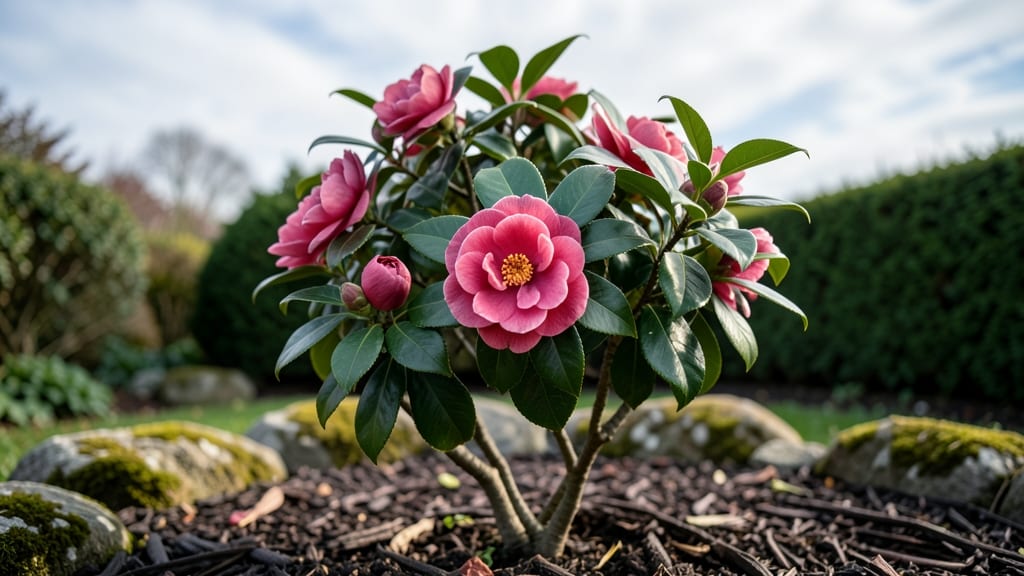
During the camellia flowering season, these stunning shrubs burst into bloom from late fall to early spring, transforming your garden into a 🌸 living masterpiece with vibrant petals.
Wondering why your neighbor’s camellia bursts into color while yours lingers? The answer lies in the variety and your climate zone—but don’t worry, we’ll break it down so you can plan for stunning blooms year after year.
From Camellia japonica’s dramatic winter displays to Camellia sasanqua’s cheerful late-fall show, each type has its own schedule. Even within the same zone, coastal and inland plants may bloom weeks apart.
Here’s how to time it right, adjust for your region, and even coax extra blooms—so your camellia stays showstopping from October through March.
Camellia flowering seasons by variety: month-by-month breakdown
Camellias are famous for their stunning blooms, but their flowering seasons vary dramatically by variety. Some burst into color in late fall, while others wait until early spring.
Understanding these timelines helps you plan your garden for year-round interest. I’ve grown camellias for over a decade, and I’ve seen how climate zones and specific varieties shift these schedules.
For example, Camellia sasanqua often blooms first, lighting up gardens from October through December. Meanwhile, Camellia japonica typically waits until January through March. Even hybrids like Camellia × williamsii have unique schedules. Let’s break down the exact months for each type so you can anticipate—and extend—their bloom periods.
Pro Tip: Coastal regions often see earlier blooms due to milder winters, while inland areas may delay flowering until spring. If you’re in USDA Zone 8 or warmer, you might enjoy fall and winter blooms. Colder zones (Zone 7) may only see spring blooms.
| Variety | Bloom Season | Key Months | Notes |
|---|---|---|---|
| Camellia sasanqua | Early to Mid-Fall | October–December | Hardy to Zone 7; fragrant blooms |
| Camellia japonica | Late Winter to Early Spring | January–March | Needs winter chill; Zone 7+ |
| Camellia × williamsii (Hybrid) | Fall or Spring | September–November OR February–March | Blooms twice yearly in mild climates |
| Camellia oleifera | Late Winter | February–April | Edible seeds; less common ornamental |
| Camellia reticulata | Winter to Early Spring | December–March | Large, showy blooms; Zone 8+ |
If you’re in Zone 9 or warmer, some varieties like Camellia sasanqua may bloom as early as September, especially if planted in a sheltered spot. In contrast, Camellia japonica in Zone 7 might not flower until late March due to colder winters.
This variation is why I always check the specific variety before planting—it’s the key to planning your garden’s color timeline.
Hybrids like Camellia × williamsii are particularly exciting because they can bloom twice a year. In my garden, these hybrids produce fall blooms in October and then again in February.
This dual-flowering habit makes them a standout for gardeners who want extended color. However, they require consistent moisture and acidic soil to perform well.
For late bloomers, Camellia reticulata is a showstopper with its large, waxy flowers appearing from December to March. These varieties thrive in warmer climates (Zone 8+) and add drama to winter gardens.
If you’re in a cooler zone, consider growing them in containers so you can move them to a sheltered spot during winter.
One common mistake I see is assuming all camellias bloom in spring. While Camellia japonica fits this pattern, others like Camellia sasanqua and hybrids shine in fall.
To maximize blooms, I recommend planting a mix of early, mid, and late-season varieties. This ensures your garden has continuous color from October through March.
If you’re in a warmer climate (Zone 10), you might even see year-round blooms with the right selection. For example, Camellia sasanqua can rebloom in late winter if conditions are ideal.
To encourage this, I avoid heavy pruning in fall and instead focus on light shaping after the first bloom cycle.
For gardeners in cooler zones (Zone 7), focus on spring-blooming varieties like Camellia japonica or Camellia reticulata. These types need winter chill to trigger blooms, so don’t be tempted to move them indoors during cold snaps. Instead, use mulch to protect roots and maintain consistent moisture.
Finally, remember that light exposure plays a role in timing. While camellias prefer partial shade, too much shade can delay blooming. In my experience, placing them in a spot with morning sun and afternoon shade yields the best results.
This balance ensures they get enough energy for vibrant, long-lasting blooms.
How climate zones shift Camellia blooming times (USDA zones 7-10)
Your camellia flowering season isn’t set in stone—it shifts dramatically based on your USDA hardiness zone and whether you live near the coast or inland.
In Zone 7, frost can delay blooms until late February or March, while Zone 10 camellias may start as early as September with minimal winter chill. These differences mean your neighbor’s Camellia sasanqua might be in full bloom while yours hasn’t budded yet!
Coastal regions add another layer of complexity. The moderating ocean breezes in Zone 9 coastal areas (like Southern California) can push blooming 2-4 weeks earlier than inland counterparts. Meanwhile, inland Zone 8 gardens might see a shorter bloom window due to harsher winters.
Understanding these shifts helps you time pruning, fertilizing, and winter care for maximum impact.
Here’s how temperature and frost directly influence your camellia’s schedule—and how to adjust care for earlier or longer blooms in your specific zone.
In warmer zones (9-10), camellias often bloom year-round with minimal dormancy, but cooler winters trigger better flowering. If your Zone 10 camellia skips blooms, try mimicking winter chill by moving potted plants to a 50°F (10°C) garage for 6-8 weeks in summer.
This tricks the plant into setting buds for fall.
For Zone 7-8 gardeners, the key to longer blooms is protecting buds from late frost. Use frost cloth or burlap wraps around plants in December-January, and prune lightly after blooming to encourage next year’s flowers.
Inland Zone 8 plants may need extra winter watering to prevent dormant season stress.
Pro tip: Coastal Zone 9 camellias often bloom earlier but fade faster due to warmer winters. To extend their season, plant near a north-facing wall for afternoon shade and water deeply in late summer to encourage root growth before the bloom rush.
With these adjustments, you can stretch your camellia’s show from October to April—no matter your zone!