
Shrubs
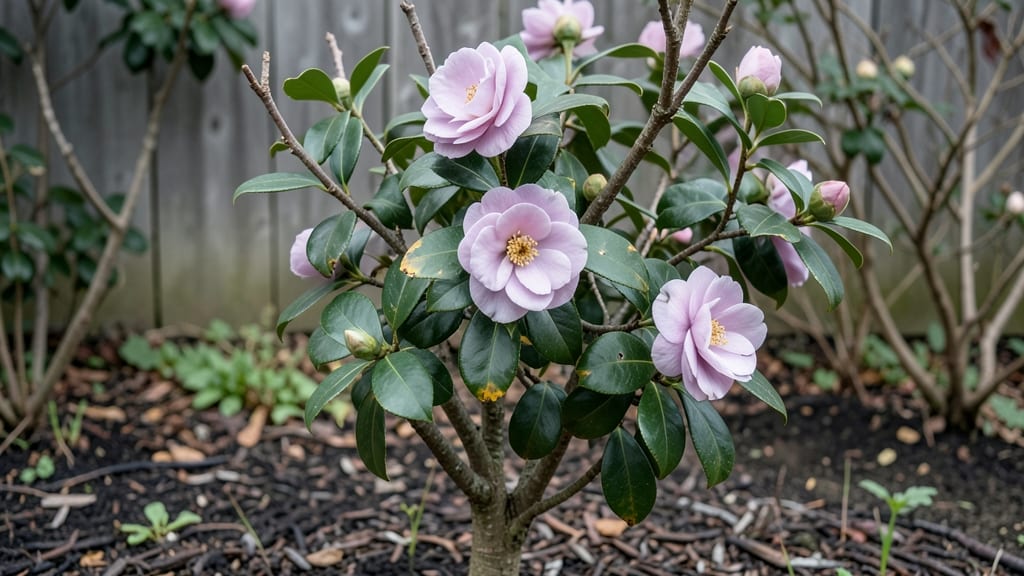
A camellia flowering shrub brings bold winter blooms and glossy evergreen leaves to your garden, but only if you nail the care basics.
With their lush evergreen foliage and show-stopping blooms, these shrubs add timeless elegance to any landscape—but only if you master their year-round care secrets.
Most gardeners struggle with bud drop or sparse flowers because they miss the three key factors: acidic soil, the right sunlight balance, and precise watering. Get these wrong, and even the hardiest varieties will disappoint.
In this guide, I’ll walk you through everything from planting in USDA Zone 6a to pruning for maximum blooms, plus how to troubleshoot common issues before they ruin your shrub’s potential.
Camellia flowering shrub varieties and their unique bloom seasons
Selecting the right camellia variety can transform your garden into a year-round floral display. These evergreen shrubs bloom in winter, spring, or fall, depending on the type, offering vibrant colors from deep reds to pristine whites.
Whether you live in USDA Zone 7 or cooler climates, there’s a camellia perfect for your landscape and seasonal color goals.
Camellias are broadly divided into two main groups: Camellia japonica and Camellia sasanqua, each with unique bloom times and care requirements. Japonicas typically flower in late winter to early spring, while sasanquas bloom from late fall through winter.
Some varieties even offer fragrant blooms or disease-resistant foliage, making them standout choices for gardeners.
To help you choose, I’ve curated a list of 12+ top camellia varieties with their bloom seasons, color palettes, and hardiness zones.
Use this guide to pick a shrub that thrives in your climate while aligning with your garden’s aesthetic—whether you prefer bold red blooms, delicate pink petals, or striking bi-color flowers.
🌸
| Variety | Bloom Season | Color Palette | Hardiness Zones | Mature Height | Unique Features |
|---|---|---|---|---|---|
| Camellia japonica 'Desire' | Late winter | Deep red | 7-9 | 10-15 ft | Large, semi-double blooms |
| Camellia japonica 'Elegans' | Winter to early spring | Pink with yellow center | 7-9 | 6-10 ft | Fragrant, repeat bloomer |
| Camellia sasanqua 'Yuletide' | Fall to winter | White | 7-10 | 8-12 ft | Early bloomer, cold-hardy |
| Camellia sasanqua 'Bonanza Pink' | Late fall | Soft pink | 7-10 | 6-10 ft | Disease-resistant foliage |
| Camellia reticulata 'Mao Shan' | Winter to spring | Red with yellow center | 7-9 | 15-20 ft | Large, showy blooms |
| Camellia 'Spring’s Promise' | Winter | White with pink edges | 6-9 | 6-8 ft | Dwarf variety, early bloomer |
| Camellia 'Yuletide Pink' | Fall | Pink | 7-10 | 8-12 ft | Cold-hardy, repeat blooms |
| Camellia 'Donation' | Winter | White | 7-9 | 10-15 ft | Fragrant, large blooms |
| Camellia 'Shishigashira' | Late winter | White with pink stripes | 7-9 | 6-10 ft | Unique striped petals |
| Camellia 'Crimson King' |
Soil, sunlight, and watering secrets for nonstop camellia bloomsCamellias thrive when their three core needs—acidic soil, strategic sunlight, and consistent moisture—are met with precision. I’ve learned that even the hardiest varieties like Camellia japonica will drop buds if these conditions aren’t balanced. The key lies in mimicking their natural understory habitat where they receive dappled sunlight and humid air. Most gardeners overlook how soil pH directly impacts bloom production. Camellias demand an acidic environment between pH 4.5 and 6.0—any higher, and they’ll struggle to absorb essential nutrients like iron and manganese. I’ve tested my own soil and found that amending with peat moss or sulfur can make all the difference in just a few months. Camellia Care: What Works vs. What Doesn’t
✅ DO:
❌ DON’T:
Pro Tip: For bud drop prevention, increase humidity around plants with pebble trays or group plantings in spring when buds form. When positioning your camellia, think of it as a sunbathing tea drinker—they love morning sunlight to kickstart their metabolism but need afternoon shade to avoid leaf scorch. In my Zone 7b garden, I’ve found that placing them 2-3 feet from a southern wall provides perfect filtered light while keeping roots cool. Watering follows a seasonal rhythm that most gardeners miss. During spring bloom season, I water every 2-3 days in the morning to prevent bud drop. In summer heat, I switch to deep watering every 5-7 days—letting the top 2 inches of soil dry between sessions mimics natural rainfall patterns and prevents root rot. One common mistake I see is overhead watering, which can lead to fungal diseases like anthracnose. Instead, use a soaker hose or drip irrigation placed at the base of the plant. This delivers water directly to the roots while keeping those delicate blooms dry—a game-changer for long-lasting flowers. For established shrubs, I’ve noticed that mulching with pine bark not only conserves moisture but also slowly acidifies the soil over time. Spread a 3-inch layer around the base (keeping it 6 inches from the trunk) and watch your camellia reward you with vibrant blooms from winter through spring. 🌸 |