
Planting
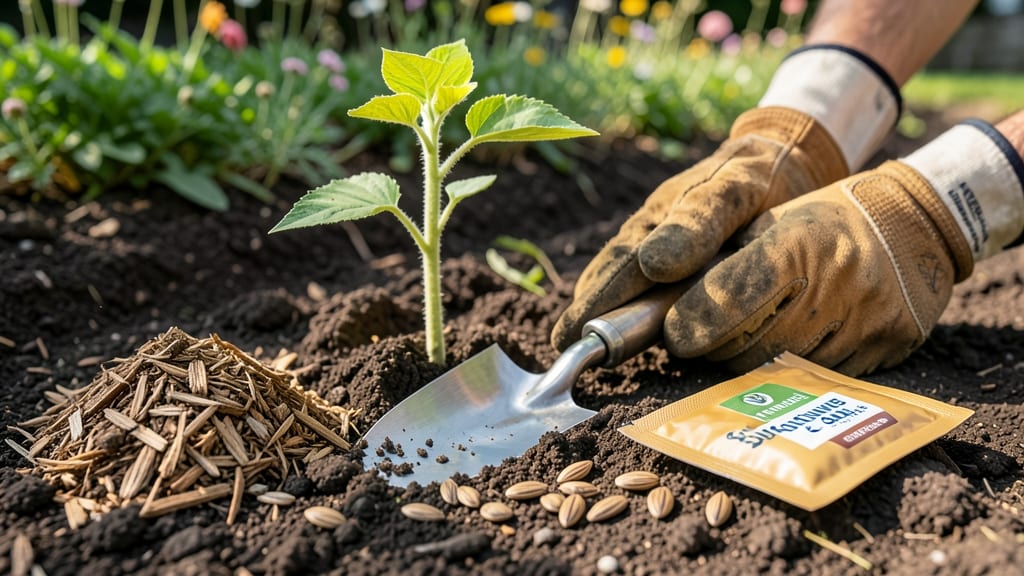
You can plant sunflowers in fall—but timing, variety, and frost protection are everything to avoid a wasted effort.
Picture this: a late-September garden, golden 🌻 stalks reaching toward the sky, and a first frost looming in October. It’s possible, but only with the right approach.
Many gardeners assume sunflowers are strictly a spring crop, yet hardy varieties like 'Autumn Beauty' can thrive when planted early enough in fall.
In Zone 6a, where first frost hits around October 31, you’ve got a narrow window—April 15 to May 15 for spring planting, but also a chance in September if you act fast.
The key is choosing fast-maturing varieties and giving seedlings a head start with mulch or row covers.
Below, I’ll break down the best fall-planting strategies, from soil prep to frost protection, so you can enjoy sunflowers well into autumn—without the risk of a frozen surprise.

Best fall-planting sunflower varieties for cold climates
Fall planting offers a second chance to grow sunflowers, but not all varieties handle cooler temperatures well. The key is selecting cold-hardy sunflower types with faster germination and shorter growth cycles. These varieties can establish roots before winter sets in, giving them a fighting chance against frost.
In USDA Zones 4-7, where frost arrives early, timing is everything—planting too late can leave seedlings vulnerable.
For success, focus on sunflower varieties bred for early blooming or fast growth. Some types, like 'Autumn Beauty' or 'Mammoth', are popular for their hardiness, but their performance varies by region.
In milder climates (Zones 8+), you might even see blooms before winter, while colder zones (4-6) will need extra protection to survive until spring.
Here’s a quick guide to the top 5 fall-planting sunflower varieties for cold climates, including their germination times and frost tolerance. Choose based on your last frost date and desired height.
| Variety | Height (ft) | Germination Time | Days to Bloom | Frost Hardiness | Best For |
|---|---|---|---|---|---|
| Autumn Beauty | 3-5 ft | 7-10 days | 50-60 days | Zones 4-9 | Fast blooms, drought-tolerant |
| Mammoth | 10-14 ft | 10-14 days | 70-90 days | Zones 5-9 | Tall stems, needs staking |
| Teddy Bear | 1-3 ft | 5-7 days | 45-55 days | Zones 3-8 | Dwarf, great for containers |
| Russian Giant | 12-16 ft | 12-16 days | 80-100 days | Zones 6-9 | Massive heads, needs space |
| ProCut | 5-7 ft | 7-10 days | 55-65 days | Zones 4-8 | Disease-resistant, cut flowers |
The 'Autumn Beauty' variety is my top pick for fall planting in cold climates. It germinates quickly (7-10 days) and blooms in 50-60 days, meaning it can often survive light frosts or even produce flowers before winter.
For taller varieties like 'Mammoth', plant seeds 6-8 weeks before your first frost to give roots time to establish. If you’re in Zone 4 or colder, consider starting seeds indoors in late summer for a head start.
Timing is critical—aim to plant 4-6 weeks before your average first frost date. Use a frost calculator for your region to pinpoint the exact window. For example, in Zone 5, planting by September 15 gives seedlings enough time to reach 3-4 inches tall before winter.
In Zone 7, you might push it to October 1 with minimal risk.
Cold-hardy varieties like 'Teddy Bear' are ideal for containers or small gardens because they mature quickly and handle cooler temps better than giants. Their 1-3 foot height also makes them less prone to wind damage, which is a common issue in fall.
If you’re growing sunflowers for seeds, 'Russian Giant' is a poor choice for fall—it takes too long to mature and won’t survive winter in most climates.
To maximize survival, pair your fall-planted sunflowers with mulching and frost cloth. A 3-inch layer of straw mulch insulates roots, while row covers can add 5-10°F protection on chilly nights. Even if the tops freeze, the roots often survive to regrow in spring.
In my garden, I’ve seen 'Autumn Beauty' resprout the following year from fall plantings, proving that with the right variety and care, fall sunflowers can be a rewarding experiment.
Pro tip: Mix fast-growing varieties like 'ProCut' with slower ones like 'Mammoth' to stagger blooms. This extends your sunflower season and increases your chances of success, even if some varieties don’t make it through the winter.
Just remember—no variety thrives in sub-zero temps, so always have a backup plan for extreme cold snaps.
Step-by-step guide: planting sunflowers in fall
Planting sunflowers in fall is all about timing and preparation. In Zone 6a, aim to sow seeds by mid-September to give them 6-8 weeks of growth before the first frost. This window lets them develop strong roots and reach 3-6 feet tall before winter slows them down.
Choose fast-maturing varieties like 'Autumn Beauty' or 'Teddy Bear'—they bloom in 50-70 days, perfect for a late-season harvest.
Your first step is soil preparation. Sunflowers thrive in well-draining, nutrient-rich soil with a pH of 6.0-7.5. Work in 2-3 inches of compost or aged manure to boost fertility. Avoid heavy clay soils, which can suffocate roots and invite rot.
A quick soil test ensures you’re not missing essential nutrients like phosphorus or potassium, which support root and flower development.
🌱 Fall Sunflower Planting Steps
After planting, monitor soil moisture closely. Fall weather can be unpredictable—one day sunny, the next chilly and damp. Use a drip irrigation system or soaker hose to deliver water at the base of plants, reducing fungal risks from overhead watering.
If your area experiences early frosts, consider transplanting young seedlings into containers and moving them to a sheltered spot, like a garage or sunroom, to extend their lifespan.
Frost protection is your best friend in fall sunflower gardening. Once nighttime temps dip below 40°F, cover plants with frost blankets or clear plastic tunnels secured with bricks. Remove covers by 10 AM to allow sunlight and airflow.
For added warmth, surround the base of each plant with gravel or pebbles, which absorb heat during the day and release it slowly at night.
With the right variety, timing, and care, your fall-planted sunflowers can reward you with vibrant blooms and seeds well into winter. Even if frost cuts growth short, the height and color they add to your garden in autumn is worth the effort.
Plus, you’ll have seeds ready for next spring’s planting! 🌻