
Flowers
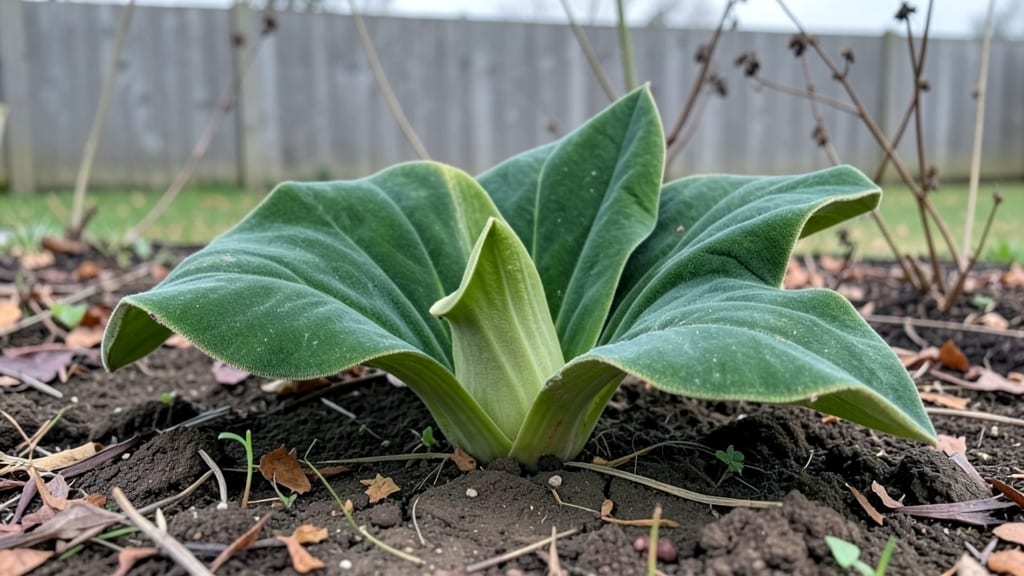
Growing a corpse flower tree 🌺 is like nurturing a living time bomb—one that pays off with a scent so intense it clears a room and a bloom so rare it feels like winning the gardening lottery.
Imagine a plant so rare and pungent that its name alone sends shivers down gardeners' spines—yet its striking blooms and fascinating biology make it a must-have for adventurous indoor growers.
The corpse flower (Amorphophallus titanum) isn’t just a conversation starter; it’s a living scientific marvel that rewards patience with one of nature’s most dramatic floral displays.
Here’s the catch: this tropical giant thrives in USDA zones 10-12, meaning most of us will grow it as a high-maintenance houseplant. But with the right balance of warmth, humidity, and a little luck, you can coax this 6-to-20-foot stinker into blooming—even if it takes a decade.
In this guide, I’ll walk you through the exact conditions it craves, how to troubleshoot its finicky nature, and the secrets to triggering that infamous (and intoxicating) bloom. Ready to turn your home into a jungle lab?
How to grow a corpse flower tree indoors: essential care requirements
Growing a corpse flower tree (Amorphophallus titanum) indoors is a thrilling challenge for plant enthusiasts seeking something truly unique.
This tropical giant demands precise conditions to thrive, but with the right approach, you can nurture a specimen that may one day reward you with its infamous rotten-meat scent and towering bloom. Unlike typical houseplants, the corpse flower requires a tropical microclimate that mimics its Southeast Asian rainforest habitat.
Before diving in, understand that this isn’t a plant for impatient gardeners. A mature corpse flower can take 7-10 years to bloom indoors, but the journey is part of the allure.
The key to success lies in replicating its natural environment—balancing humidity levels, temperature consistency, and well-draining soil while avoiding common pitfalls like root rot or dormancy.
| Care Requirement | Specification | Notes |
|---|---|---|
| Light Needs | Bright, indirect sunlight (6+ hours daily) | South-facing window or grow lights for 12+ hours |
| Temperature | 70-85°F (21-29°C) | Avoid drafts or temps below 60°F (15°C) |
| Humidity | 70-80% | Use a humidifier or pebble tray with water |
| Soil Type | Well-draining, peat-based mix with perlite | Avoid clay soil—root rot risk increases |
| Watering | Deep watering when top 2 inches dry | Use room-temperature water to prevent shock |
| Fertilizer | Balanced 10-10-10 (spring/summer) | Reduce in fall/winter—dormancy period |
| Pot Size | 1-2 sizes larger than root ball | Use terracotta pots for better drainage |
Let’s start with the most critical factor: light exposure. Unlike sun-loving succulents, the corpse flower prefers bright, indirect light. Place your plant near a south-facing window where it can receive 6-8 hours of filtered sunlight daily.
If natural light is insufficient, supplement with a full-spectrum LED grow light for 12-14 hours per day. Direct sunlight can scorch its large leaves, while low light leads to leggy growth and weak stems.
Next, maintain a consistent temperature between 70-85°F (21-29°C). This tropical plant cannot tolerate cold drafts, so keep it away from windows, doors, or air conditioning vents. If your home dips below 60°F (15°C) at night, consider moving the plant to a greenhouse or sunroom during cooler months.
Fluctuations in temperature can trigger dormancy, delaying blooming for years.
Humidity is another non-negotiable factor. The corpse flower thrives in 70-80% humidity, far higher than most indoor environments. To achieve this, place the pot on a pebble tray filled with water or use a humidifier nearby.
Mist the leaves daily in dry climates, but avoid wetting the leaf crown to prevent fungal issues. A terrarium-like setup with a clear plastic cover can also help maintain ideal humidity levels.
When it comes to soil and potting, never underestimate the importance of drainage. Use a lightweight, peat-based mix amended with perlite or orchid bark to prevent compaction. A terracotta pot is ideal because it wicks away excess moisture, reducing the risk of root rot.
Repot your corpse flower every 2-3 years or when roots emerge from the drainage holes. Overcrowded roots lead to stunted growth and poor nutrient uptake.
Watering your corpse flower requires a balanced approach. Allow the top 2 inches of soil to dry out between waterings, then soak the pot thoroughly until water drains from the bottom.
Avoid letting the plant sit in standing water, as this is a fast track to root rot. During winter dormancy, reduce watering to once every 3-4 weeks, letting the soil dry more completely. Always use room-temperature water to prevent shocking the roots.
Fertilizing should mirror the plant’s growth cycle. From spring to early fall, feed your corpse flower with a balanced 10-10-10 fertilizer every 4-6 weeks. Dilute the fertilizer to half-strength to avoid burning the roots.
In late fall and winter, pause fertilization entirely, as the plant enters a dormant phase. Over-fertilizing can lead to salt buildup in the soil, harming the roots and stunting growth.
Troubleshooting common issues is half the battle with corpse flowers. If you notice yellowing leaves, it’s often a sign of overwatering or poor drainage. Adjust your watering schedule and ensure the pot has adequate drainage holes. Brown leaf tips usually indicate low humidity—increase misting or use a humidifier.
For pests like spider mites, treat with neem oil and isolate the plant until the infestation clears. If your corpse flower stops growing entirely, it may be entering dormancy or lacking sufficient light.
With patience and precision, your corpse flower tree can become a stunning centerpiece that captivates guests—and maybe even blooms in your lifetime. The key
Corpse flower tree vs. peace lily: key differences for indoor gardeners
Deciding between a corpse flower tree (Amorphophallus titanum) and a peace lily (Spathiphyllum) depends on what you value most: a once-in-a-lifetime spectacle or a low-maintenance, blooming staple.
Both thrive indoors but cater to wildly different gardening goals. The corpse flower demands patience and space, while peace lilies offer instant elegance with minimal fuss.
If you crave drama, the corpse flower’s rotten-meat scent and 3-foot-tall bloom might just win you over—but only if you’re prepared for its decades-long wait and high-maintenance needs.
Meanwhile, peace lilies reward you with white blooms every few months and thrive in shadier spots. Let’s break down the trade-offs to help you choose.
Corpse Flower Tree (Amorphophallus titanum)
- 🌺 Unmatched spectacle: 3-foot-tall bloom
- 🌱 Exotic rarity: Few plants offer this experience
- 💧 Low water needs once established
- ⏳ Decades-long wait for first bloom
- 🌡️ Strict conditions: Needs warmth, humidity
- 👃 Pungent odor during bloom
Peace Lily (Spathiphyllum)
- 🌸 Frequent blooms: Every 2-3 months
- 🌿 Low-light tolerant: Thrives in shade
- 💧 Forgiving nature: Handles neglect well
- 📏 Smaller blooms: Max 6 inches tall
- 🌱 No dramatic growth: Compact size
- 🌡️ Needs consistent moisture
For light requirements, the corpse flower demands bright, indirect light (or grow lights) to mimic its tropical habitat, while peace lilies flourish in low to medium light. Place your corpse flower near a south-facing window or under LED grow lights for 12+ hours daily.
Peace lilies, however, can thrive in bathrooms or offices with minimal natural light.
The blooming cycles couldn’t be more different. A corpse flower’s once-in-a-decade bloom lasts just 24-48 hours but leaves a lasting impression. Peace lilies, on the other hand, produce white spathe blooms every few months for weeks at a time.
If you’re not home often, the peace lily’s longer-lasting flowers make it the safer bet.
Scent is another dealbreaker. The corpse flower’s cadaver-like aroma (produced to attract carrion flies) is infamous—some describe it as a mix of rotting meat and gym socks. Peace lilies, meanwhile, emit a subtle, sweet fragrance when blooming. If you’re sensitive to smells, the peace lily is the clear winner.
Finally, consider space constraints. A mature corpse flower can reach 6-10 feet tall indoors, requiring a large pot and strong support. Peace lilies stay compact (2-3 feet tall), making them ideal for small apartments or desks.
If your home is cozy, the peace lily’s manageable size might be more practical.