
Flowers
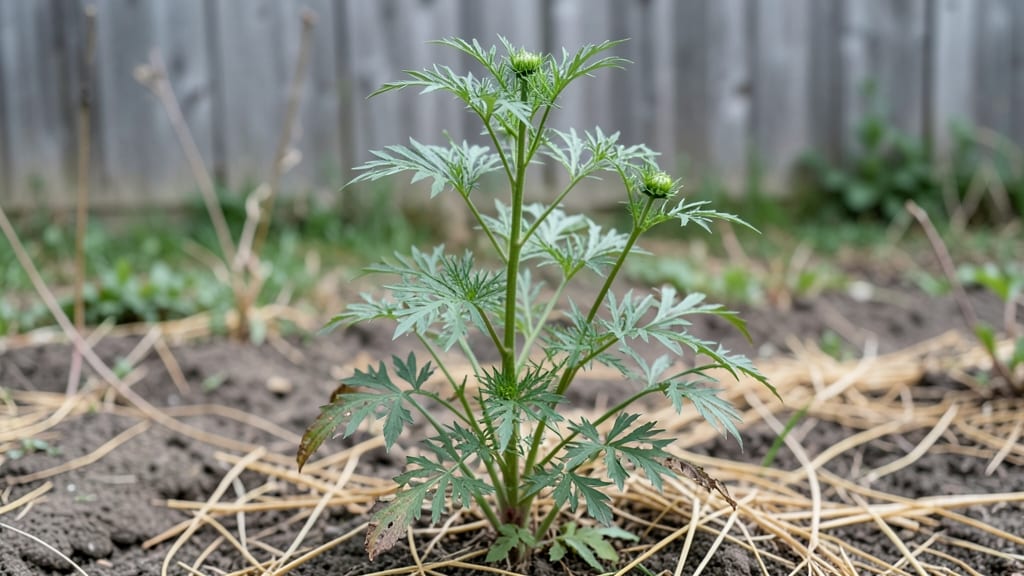
Pruning cosmos before flowering is the game-changer for a fuller, longer-lasting display 🌸—not just a one-time trim, but a technique that forces your plants to branch out and bloom harder.
Your cosmos plants are thriving—but instead of a single burst of blooms, you want a lush, long-lasting display. The secret lies in strategic pruning before flowering, a simple technique that transforms sparse stems into dense, vibrant foliage with extended bloom cycles.
Think of it like training a bush: you pinch back the tips to encourage side shoots, just as you’d do with basil or tomatoes.
For cosmos, this means cutting just above a leaf node about 4-6 weeks before you expect flowers, which in USDA Zone 6a usually lands in late May or early June.
Here’s how to do it right—when to prune, what tools to use, and how to avoid the three biggest mistakes that turn your cosmos into leggy shadows instead of bushy powerhouses.
When and how to prune cosmos for maximum bushiness
Pruning cosmos before flowering isn’t just about shaping your plants—it’s about unlocking their full potential. When done correctly, this simple technique encourages lateral branching and denser foliage, resulting in a longer bloom season with vibrant, healthy flowers.
The key is timing: prune 4-6 weeks before the first buds appear, when your cosmos are still in their vegetative growth phase.
Many gardeners skip pruning cosmos, assuming their airy, feathery foliage doesn’t need shaping. But strategic pinching or cutting stimulates side shoots, transforming tall, leggy stems into bushier, more productive plants.
Think of it like training a vine to climb a trellis—you’re guiding the plant’s energy toward horizontal growth instead of vertical elongation. With the right tools and technique, you’ll enjoy fuller blooms and a prolonged display that lasts well into fall.
Step-by-Step Guide to Pruning Cosmos Before Flowering
- Step 1: Identify the Right Time Prune when your cosmos have 4-6 true leaves and are 4-6 weeks from expected flowering. Look for healthy, upright stems with no buds forming.
- Step 2: Gather Your Tools Use clean, sharp pruners or your fingers for pinching. Sterilize tools with rubbing alcohol to prevent disease. Avoid dull tools that crush stems.
- Step 3: Choose Your Method Pinching: Remove the top 1-2 inches of growth with your fingers. This encourages 3-5 side shoots to form. Cutting: Snip stems 1/3 down from the top, just above a leaf node (where leaves meet the stem).
- Step 4: Prune Strategically Focus on the main stems first, then secondary branches. Avoid cutting into woody stems—stick to green, flexible growth. Remove any damaged or yellowing leaves at the same time.
- Step 5: Stimulate New Growth After pruning, place your cosmos in a sunny spot with consistent moisture. Within 2-3 weeks, you’ll see new shoots emerging from the leaf nodes.
- Step 6: Monitor and Repeat If your cosmos are still leggy, repeat the process 2-3 weeks later. Stop pruning once buds begin to form to avoid delaying flowering.
🌱 Pro Tip: Prune on a dry, sunny morning to reduce stress on the plant and allow wounds to heal quickly.
Not all cosmos varieties respond the same way to pruning. Dwarf cosmos (like 'Sensation Mixed') benefit from gentle pinching, while tall varieties (such as 'Bright Lights') can handle more aggressive cutting.
Always prune just above a leaf node—this is where auxiliary buds hide, ready to sprout into new branches. If you’re unsure where the nodes are, look for the small bumps or creases where leaves attach to the stem.
One common mistake is pruning too late in the season, which can delay or even prevent flowering. Cosmos are fast growers, and if you wait until buds appear, you’ll miss the critical branching window.
Another pitfall is using dull tools, which crush stems instead of making clean cuts. Always use sharp pruners or clean scissors to avoid damaging the plant’s vascular system.
After pruning, your cosmos will need extra care to recover and flourish. Focus on consistent watering (about 1 inch per week) and balanced fertilization with a 5-10-10 NPK ratio.
Avoid heavy nitrogen fertilizers, which encourage leafy growth at the expense of flower production. Instead, opt for a low-nitrogen, high-phosphorus blend to support root and bloom development.
For container-grown cosmos, pruning is even more beneficial because it prevents the plant from becoming top-heavy and toppling over. In pots, you can also rotate the container weekly to ensure even light exposure and balanced growth.
This simple habit, combined with pruning, will give you a neat, bushy cosmos that’s perfect for cutting gardens or container displays.
If you’re growing cosmos in partial shade, pruning becomes even more important. Shade-stressed plants often grow tall and spindly in search of light, so aggressive pruning can help them rebound.
Pair this with a reflective surface (like a white wall or mirror) to bounce extra light onto the foliage and encourage denser growth.
Remember, the goal of pruning cosmos before flowering isn’t just to shape the plant—it’s to reprogram its growth habit. By stimulating lateral branches, you’re essentially cloning the main stem into multiple flowering stems.
This means more blooms, longer vase life, and a show-stopping display that lasts from summer through fall. With the right timing and technique, your cosmos will reward you with exuberant, bushy growth that turns heads in every garden.
Common mistakes that kill cosmos growth (and how to avoid them)
Pruning cosmos before flowering can dramatically improve their growth, but even small mistakes can turn your lush plants into leggy, weak stems. The key is understanding when and how to prune—cosmos are sensitive to timing and technique.
Many gardeners accidentally stunt their plants by cutting too late, using dull tools, or removing too much foliage at once.
One of the biggest misconceptions is that pruning cosmos after they start blooming will encourage more flowers. In reality, this often backfires, leading to delayed blooms or sparse stems.
The ideal time to prune is 4-6 weeks before you expect flowers to appear, giving the plant enough time to recover and branch out.
⚠️ callout warning
If you prune cosmos after buds form, you risk severely delaying or even preventing flowering. Buds require 6-8 weeks to mature, so late pruning cuts off this development window. Always prune before buds appear—look for tall, unbranched stems as your cue.
🌱 Signs you’re pruning too late:
- Buds are already visible
- Stems are woody or hardened
- Leaves are fewer than 6 inches apart
Another common mistake is using dull or dirty pruners, which crush stems instead of making clean cuts. This invites disease and stress, weakening the plant. Always use sharp, sterilized shears and cut at a 45-degree angle just above a leaf node.
Avoid tearing stems, as this exposes the plant to pests like aphids or fungal infections.
Over-pruning is another silent killer of cosmos growth. Removing more than one-third of the plant’s foliage at once shocks the system, leaving it vulnerable to stress. Instead, take small, incremental cuts—never more than 20% of the plant’s height in a single session.
Think of it like shaping a hedge: gradual adjustments yield the best results.
Improper tool choice also plays a role. Many gardeners grab scissors or hedge trimmers meant for other plants, but cosmos need bypass pruners for precision. These tools provide cleaner cuts and reduce damage.
Pair them with gardening gloves to protect your hands from sap and thorns, especially if you’re working with taller varieties like 'Bright Lights' or 'Sensation.'
To avoid these pitfalls, follow this do’s and don’ts guide for pruning cosmos:
| Action | Timing | Tools |
|---|---|---|
| DO: Pinch back tips | 4-6 weeks before buds | Clean fingers or shears |
| DON’T: Cut into woody stems | Never after buds form | Avoid hedge trimmers |
| DO: Cut at leaf nodes | Early morning (dry stems) | Sharp bypass pruners |
| DON’T: Remove more than 1/3 foliage | Avoid rainy days | Never dull tools |
By avoiding these mistakes, your cosmos will reward you with bushier growth and longer bloom cycles. The key is patience—cosmos respond best to gentle, timed pruning rather than aggressive trimming. With the right approach, you’ll transform sparse stems into a vibrant, full-bodied display that lasts all season. 🌸