
Pruning
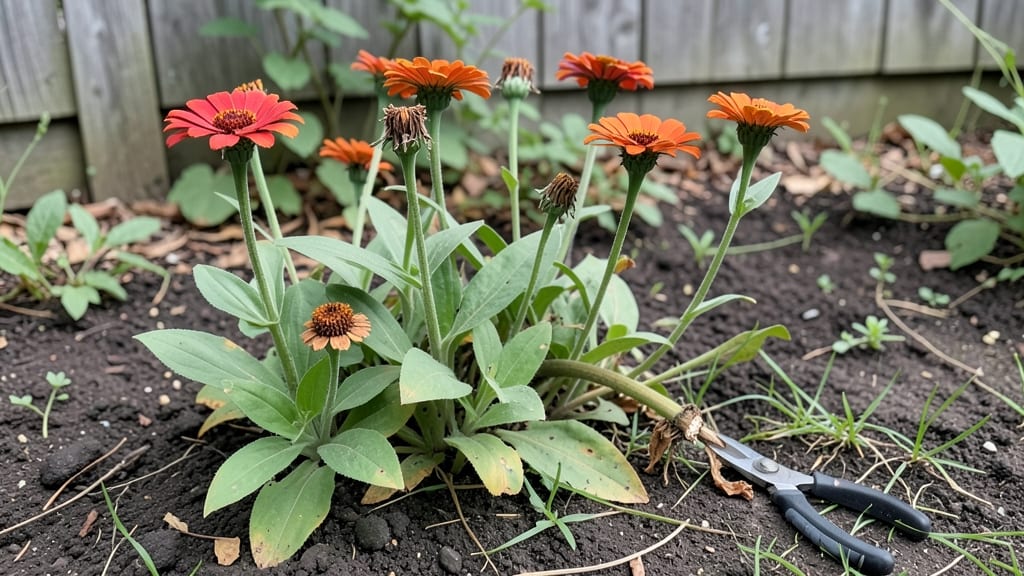
Deadheading zinnia flowers isn’t just a chore—it’s the secret to turning your garden into a nonstop bloom machine. ✨ I spent years watching zinnias fizzle out after their first flush, until I learned this one simple move that keeps them flowering until frost.
The trick is all about timing and technique, and it takes less than five minutes per plant.
Here’s the thing—zinnias produce new blooms from the base, but only if you remove the old ones first. Grab a pair of clean pruners or just your fingers, then snip off the faded flower heads just above the next set of leaves.
No fancy tools needed, just a sharp eye for those wilted centers. Do this every few days, and you’ll see fresh buds popping up within a week.
What you end up with is a plant that looks like it’s in peak season all summer long. The flowers stay vibrant, the stems stay sturdy, and you’ll harvest more bouquets than you know what to do with.
Plus, your zinnias will grow taller and bushier, creating that lush, full look that makes neighbors do double-takes.
This works for all zinnia varieties—from dwarf zinnias in containers to towering Benary’s Giant in the backyard. The only difference is how often you’ll need to deadhead: smaller varieties need it weekly, while larger ones can stretch it to every 10 days.
Ready to turn your zinnias into the star of the garden?
📚 In This Guide
- What you need
- Instructions
- Tips and common mistakes
- Wrapping up and next steps
What you need
- ● Zinnia plants – Healthy, established plants with visible blooms (any variety works!)
- ● Clean, sharp pruning shears or scissors – Disinfect with rubbing alcohol before use to prevent disease.
- ○ Gloves (optional but recommended) – Protects hands from thorns and dirt.
- ● Watering can or hose with a gentle spray nozzle – For post-pruning hydration.
- ○ Compost or mulch (optional but helpful) – Replenishes nutrients after deadheading.
- ● Garden kneeler or stool – Makes deadheading easier for low-growing zinnias.
- ● Pruning spray (70% isopropyl alcohol) – Keeps tools sterile between cuts.
- ● Garden twine or stakes – Supports tall zinnias if they become top-heavy after pruning.
- ● Fertilizer (balanced 10-10-10 or bloom booster) – Gives plants a nutrient boost post-deadheading.
How to deadhead zinnia flowers for longer blooms
Here's the easy method I use to keep zinnias flowering all season long.
🌿 Step 1: Identify the Right Blooms to Trim
Focus on flowers that have fully opened and begun to fade. You'll know it's time when the petals start curling back or the center turns brown. I always check zinnias in the morning light—their vibrant colors make faded blooms stand out clearly against fresh ones.
Skip any buds that haven't opened yet. These contain the plant's energy for future blooms. Only remove flowers that are completely spent, as this tells the plant to redirect energy to new growth rather than seed production. A quick pinch test helps: gently squeeze a bloom—if it feels dry and papery, it's ready to go.
✂️ Step 2: Use the Proper Cutting Technique
Grab a pair of clean, sharp pruners or your fingers for small stems. Pinch or cut just above the first set of healthy leaves below the faded bloom. This ensures you're not leaving a stub that could rot. I like to make clean cuts at a slight angle to prevent water from pooling on the stem.
Don't cut too far down the stem—you want to leave enough foliage for photosynthesis. Aim for a spot where you can see fresh green leaves and new buds forming. If you cut too aggressively, you'll remove potential blooming points and weaken the plant. Think of it like giving your zinnias a little haircut—just enough to look fresh, not a buzz cut!
💧 Step 3: Maintain After Deadheading
Water the base of the plant thoroughly after deadheading. The shock of removing blooms can stress the plant slightly, and moisture helps it recover quickly. I like to water in the early morning so the leaves have time to dry before evening. Wet foliage left overnight can attract pests or fungal issues.
Keep an eye on the plant's overall health. If you notice new buds forming within 5-7 days, you're doing it right! The plant will respond to your pruning by putting energy into these fresh blooms. If growth slows or leaves yellow, you might be cutting back too much—try being more selective with future deadheading.
☀️ Step 4: Repeat Regularly for Continuous Blooms
Make deadheading a weekly habit during peak bloom season. I set a reminder on my phone every Saturday morning to check my zinnias. Regular maintenance prevents the plant from wasting energy on seed production, which would otherwise shorten the blooming period.
Watch for the plant's natural rhythm. In hot climates, zinnias may need deadheading every 3-4 days as blooms fade quickly. In cooler areas, weekly deadheading usually suffices. The key is consistency—don't let too many blooms go to seed before you notice. Once you establish this routine, your zinnias will reward you with nonstop color all season!
Tips & tricks for perfect zinnia deadheading
Here's what I learned after years of keeping my zinnias blooming nonstop—simple tricks that make all the difference.
Timing Secret: The morning is the best time to deadhead your zinnias. Cooler temperatures mean less stress on the plant, and the dew has evaporated so you can see faded blooms clearly. I always grab my pruners first thing in the morning—it takes just 10 minutes and sets up the whole day for beautiful blooms.
Visual Cue for Perfect Cuts: When you're making your cuts in Step 2, look for the first set of healthy leaves below the faded bloom. You want to cut just above that leaf node—this is where new growth will emerge. Think of it like giving your plant a little haircut where you leave the roots (leaves) intact but trim the dead ends (flowers).
Seasonal Adjustments: In hot summer months, you might need to deadhead every 3-4 days as blooms fade quickly. In cooler spring or fall, weekly deadheading usually works perfectly. The key is to stay consistent—don't let too many blooms go to seed before you notice them fading.
Health Check: After deadheading, keep an eye on your plant's leaves. If they start turning yellow or growth slows, you might be cutting back too aggressively. Aim to leave plenty of foliage for photosynthesis—zinnias need those green leaves to produce energy for new blooms.
Pro Tips for Deadhead Zinnia Flowers
- Here's what I learned after years of keeping my zinnias blooming nonstop—simple tricks that make all the difference.
- Timing Secret: The morning is the best time to deadhead your zinnias.
- Visual Cue for Perfect Cuts: When you're making your cuts in Step 2, look for the first set of healthy leaves below the faded bloom.
Frequently asked questions
Got questions about deadheading zinnias? You’re not alone! Here are some common concerns and answers to help you keep those blooms coming all season long.
How often should I deadhead zinnia flowers?
Deadhead zinnias every 1–2 weeks—or as soon as you notice faded blooms. Regular deadheading encourages new flowers to form and prevents seed development, which drains the plant’s energy. For heavy bloomers like Benary’s Giant or Quanza Red, check weekly for best results!
Can I deadhead zinnias too much?
No, but balance is key! Over-deadheading can stress the plant if you remove all spent blooms at once. Instead, focus on faded flowers—leave a few for seed production if you’re growing zinnias for wildlife or next year’s garden. A good rule? One-third of blooms max per session.
What if deadheading doesn’t work?
Troubleshooting tips
If your zinnias aren’t reblooming after deadheading, check these factors:
- Sunlight: Zinnias need 6+ hours of full sun daily. Too much shade = fewer blooms.
- Water: Keep soil consistently moist (but not soggy). Drought stress stunts flowers.
- Fertilizer: Use a balanced, low-nitrogen fertilizer (like 10-10-10) every 4–6 weeks.
- Variety: Some zinnias (e.g., Profusion series) are self-cleaning—they don’t need deadheading!
Pro tip:
If pests (like aphids) are attacking, treat with neem oil—healthy plants bloom better!
Can I save seeds from deadheaded zinnias?
If you stop deadheading for 2–3 weeks, zinnias will produce seed heads. Let them dry on the plant, then:
- Snip the dried stem just above a leaf node.
- Shake seeds into a paper bag or envelope.
- Store in a cool, dry place for up to a year.
Note:
Hybrid zinnias (like Thumbrin) may not grow true from seed—save seeds from heirloom varieties only!
What tools work best for deadheading zinnias?
You don’t need fancy gear! Here’s what to use:
| Tool | Best For | Pros |
|---|---|---|
| Fingers | Small or delicate blooms | No risk of damaging stems |
| Pruners | Thick stems or multiple blooms | Clean cuts prevent disease |
| Scissors | Quick, casual deadheading | Portable and easy to clean |
Tip:
Sterilize tools with rubbing alcohol between plants to avoid spreading disease!
Wrapping up and next steps
Deadheading zinnia flowers is a game-changer—it’s simple, rewarding, and keeps your garden bursting with color all season long! 🌸 By removing spent blooms, you encourage healthier growth, more vibrant flowers, and even extend your zinnia’s lifespan.
Whether you’re a seasoned gardener or just starting out, this quick trick will transform your garden into a nonstop floral show.
Ready to give it a try? Grab your shears and head outside—your zinnia patch will thank you! For even more tips, check out our guide on optimal zinnia care to keep those blooms thriving.