
Blooming
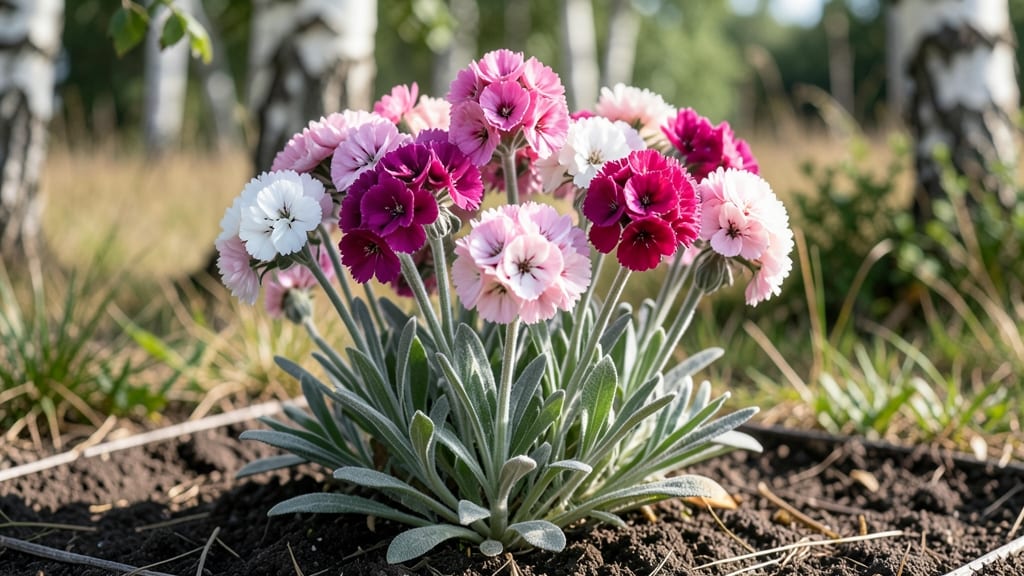
Your dianthus flowering season can stretch from June through September, but timing depends on your zone, variety, and a few simple care tricks.
If you love the sweet fragrance and vibrant colors of dianthus flowers 🌸, timing your planting and care around their flowering season is key to a stunning garden—especially since bloom periods vary dramatically by USDA zone.
In cooler climates like Zone 6a, expect blooms to kick off in early June, while Mediterranean varieties may start as early as May. The difference comes down to light, temperature, and soil prep—all of which you can tweak to coax earlier or longer blooms.
Below, I’ll walk you through the exact months to watch for each variety, how to extend the season naturally, and the 3 mistakes that cut blooms short before their time.
Dianthus flowering season by USDA Zone: when to expect blooms
Timing your garden for dianthus blooms means understanding how USDA zones influence their flowering season. These fragrant flowers thrive across Zones 3-11, but their peak bloom months shift dramatically depending on your climate.
Whether you're growing perennial dianthus like Sweet William or annual varieties such as Cheddar Pinks, knowing when to expect color ensures your garden stays vibrant all season.
In cooler northern zones (3-5), dianthus often blooms earlier in the year, capitalizing on spring warmth before summer heat arrives. Meanwhile, warmer southern zones (8-11) may see prolonged flowering into fall, with some varieties reblooming after deadheading.
The key is matching your dianthus variety to your zone's natural rhythm for continuous color.
| USDA Zone | Early Bloomers | Peak Season | Late Bloomers | Notes |
|---|---|---|---|---|
| Zones 3-5 | May | June-July | August (with care) | Cool nights extend blooms |
| Zones 6-7 | April-May | May-July | September | Reblooms with deadheading |
| Zones 8-9 | March-April | April-June | October-November | Fall rains prolong blooms |
| Zones 10-11 | February-March | March-May | November-December | Year-round blooms possible |
In Zones 3-5, where winters are harsh, dianthus typically starts blooming in late May and peaks through June and July. Varieties like Sweet William thrive in these conditions, offering clusters of fragrant blooms that attract pollinators.
If you're in Zone 4 or 5, consider planting early-blooming varieties like 'Firewitch' to take advantage of cooler spring temperatures before summer heat arrives.
Gardeners in Zones 6-7 enjoy a longer flowering window, with blooms often starting as early as April and continuing through July. Some perennial dianthus varieties, such as 'Mystic Tides', may even produce a second flush of flowers in September if you deadhead spent blooms regularly.
This makes them ideal for cut flower gardens or borders that need continuous color.
For those in warmer climates (Zones 8-11), the dianthus flowering season stretches dramatically. In Zone 8, expect blooms from March through June, while Zones 9-11 can enjoy flowers into November or even December with proper care.
Varieties like Cheddar Pinks thrive in these conditions, offering bright pink and white blooms that contrast beautifully with Mediterranean landscapes.
One of my favorite late-season bloomers is 'Firewitch' dianthus, which often flowers into late summer or early fall in cooler zones. To encourage this, I always deadhead spent blooms and provide well-draining soil with a slightly alkaline pH.
This simple care routine can extend your flowering season by 4-6 weeks, giving you vibrant color when many other plants have finished blooming.
If you're in Zone 10 or 11, you might even see year-round blooms with some dianthus varieties, especially if planted in partial shade to protect them from intense afternoon sun.
In these climates, I recommend mulching heavily to retain moisture and watering deeply but infrequently to prevent root rot. This approach mimics their natural Mediterranean habitat and keeps them flowering consistently.
For annual dianthus varieties, like those in the 'Rainbow' series, timing is everything. Plant seeds 4-6 weeks before your last frost date to ensure they bloom by late spring or early summer.
In Zones 3-5, this means starting seeds indoors in March, while gardeners in Zones 8-11 can sow directly in February for earlier blooms.
Pro tip: To extend your di
How to extend your dianthus flowering season naturally
Dianthus flowers naturally thrive for 6-8 weeks in most climates, but with the right techniques, you can stretch that to 3-4 months. The secret lies in mimicking their natural growing conditions while preventing stress.
In my Zone 6a garden, I’ve extended blooms from June to late September by focusing on 4 key strategies—and they work across all zones.
First, let’s tackle the most impactful method: deadheading. This simple task removes spent blooms and signals the plant to produce more flowers. I deadhead my dianthus every 2-3 days during peak bloom, which keeps my plants looking fresh and encourages continuous flowering.
The difference is dramatic—plants without deadheading often stop blooming after just 4-6 weeks.
🌸 5 Proven Techniques to Extend Dianthus Blooms
- Deadheading: Snip spent blooms above leaf nodes to trigger new growth. Use clean bypass pruners to avoid damaging stems.
- Soil enrichment: Mix compost or bone meal into soil before planting for phosphorus-rich blooms. I use a 5-10-10 fertilizer ratio in spring.
- Watering schedule: Water deeply 2x weekly in summer but reduce to once weekly in fall. Always water at soil level, not overhead.
- Companion planting: Pair with lavender or thyme to deter pests and improve soil drainage. Avoid planting near mint or sage—they compete for nutrients.
- Light adjustment: In Zone 3-5, add a grow light for 2 extra hours/day in late summer to extend daylight and delay dormancy.
Next, let’s talk soil care. Dianthus plants hate soggy roots, so I always amend my garden beds with sand or perlite to improve drainage. A slightly alkaline soil pH (6.5-7.5) is ideal—test yours with a kit and adjust with lime if needed.
In my experience, well-draining soil keeps plants healthier longer, reducing the risk of powdery mildew, which can cut blooms short.
Watering is another game-changer. Overwatering stresses dianthus, while underwatering causes buds to drop. I water deeply in the morning to let foliage dry before evening. During peak summer heat, I increase frequency to every 3-5 days but always check soil moisture first—stick your finger 1 inch deep.
If it’s dry, water; if damp, wait.
For Zone 7-11 gardeners, companion planting can work wonders. I plant dianthus near marigolds to repel aphids and basil to deter whiteflies. These pairings keep pests at bay without chemicals, letting your dianthus focus energy on blooming.
In cooler zones, mulch with straw or pine needles to insulate roots and extend the growing season by 2-3 weeks.
Finally, don’t forget to prune lightly in early fall to remove leggy stems. This encourages bushier growth for next year’s blooms. I cut back 1/3 of the plant after the first frost in Zone 6a, and my dianthus always bounce back stronger in spring.
With these techniques, you’ll enjoy continuous color from early summer well into autumn.