
Light Requirements
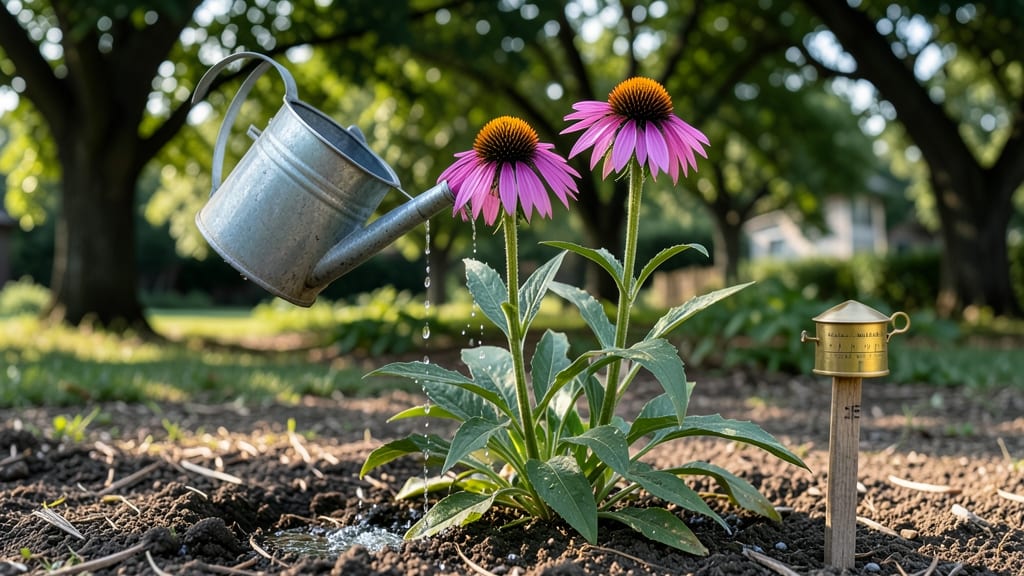
Coneflowers don’t need a lot of water once established—they’re built to thrive on neglect in Zone 6a and beyond.
If you’ve ever wondered whether coneflowers demand constant watering or thrive on neglect, you’re not alone—many gardeners struggle with balancing care for these hardy perennials. The key is understanding their natural drought tolerance while ensuring they get enough moisture to root deeply in spring.
Newly planted 🌼 need consistent watering for the first few weeks, but mature plants can go weeks without a drink. Overwatering is far riskier than underwatering—it leads to root rot and fungal diseases, while drought-stressed plants simply pause blooming until conditions improve.
In this guide, I’ll show you how to water coneflowers the right way—whether you’re dealing with heavy clay soil, a dry summer, or a first-year transplant.
You’ll learn the exact signs of over- and underwatering, plus 5 easy tricks to cut your watering in half without sacrificing those iconic purple blooms.
How much water coneflowers actually need (and when)
Coneflowers (Echinacea purpurea) are famous for their drought tolerance, but that doesn’t mean they’re completely water-independent. The key lies in understanding their water needs by growth stage—new plants require more attention, while mature ones thrive with minimal intervention.
Overwatering is just as dangerous as underwatering, so let’s break down the optimal watering schedule to keep your coneflowers healthy and blooming.
One common misconception is that coneflowers need a lot of water to survive. In reality, their deep taproots allow them to access moisture far below the soil surface. The real challenge is striking the right balance during their critical establishment phase and adjusting for seasonal changes.
Whether you’re dealing with a heatwave or a rainy spell, knowing when and how much to water will determine whether your plants flourish or falter.
Here’s the watering truth about coneflowers: they prefer deep, infrequent watering over shallow, frequent sessions. This mimics their natural habitat, where they experience periodic droughts followed by heavy rains. By following a stage-specific approach, you’ll avoid the pitfalls of root rot or stunted growth while maximizing your garden’s efficiency.
During the first two weeks after planting, coneflowers are most vulnerable. Their delicate roots need consistent moisture to establish themselves in the soil. Light misting daily ensures they don’t dry out, but avoid soaking the soil—this can lead to root suffocation.
Think of this phase as their "baby stage," where attention to detail sets the foundation for future resilience.
Once your coneflowers reach the establishment phase (weeks 3–6), you can gradually reduce watering. The goal here is to encourage deep root growth, which happens when plants experience slight moisture stress.
Watering every 2–3 days with 1 inch of water per session strikes the right balance. This mimics natural rainfall patterns and prepares the plant for long-term drought tolerance.
For mature coneflowers (after 6 weeks), the watering schedule becomes even more relaxed. These hardy perennials can handle 1–2 weeks between waterings during normal conditions, provided you deliver 1–2 inches of water per session.
The key here is to water deeply at the base of the plant, avoiding the foliage to prevent fungal diseases like powdery mildew. A soaker hose or drip irrigation system works perfectly for this task.
In drought conditions, coneflowers truly shine. Their deep taproots allow them to access moisture far below the surface, meaning you can stretch watering intervals to every 10–14 days. When you do water, aim for 2–3 inches of water per session to encourage roots to grow deeper.
This strategy not only conserves water but also results in stronger, more resilient plants that bounce back quickly after dry spells.
When winter arrives, coneflowers enter dormancy, and their water needs drop to nearly zero. Natural rainfall or snowmelt is usually sufficient to keep the soil moist enough. In fact, overwatering in winter can do more harm than good by promoting rot or fungal growth. If
Signs your coneflowers are overwatered or underwatered (and how to fix it)
Coneflowers (Echinacea purpurea) are famously drought-tolerant, but even these hardy plants show clear signs when their water balance is off. The key is recognizing the difference between overwatering and underwatering—both can stifle growth or trigger diseases.
Yellowing leaves might signal either problem, but the location and texture of the discoloration tell the story. Let’s decode these visual clues so you can rescue your coneflowers before they wilt or rot.
Overwatering is the sneaky villain in many gardens. When coneflowers get too much moisture, their roots suffocate from root rot, while fungal diseases like powdery mildew move in. Look for mushy stems and leaves that yellow from the bottom up—classic signs your plants are drowning.
The soil may even emit a sour, damp smell. On the flip side, underwatering causes leaves to curl or crisp at the edges, and stems become brittle enough to snap. Both extremes stress your plants, but the fixes couldn’t be more different.
To fix overwatered coneflowers, start by improving drainage. Amend heavy clay soil with perlite or coarse sand to create air pockets for roots. Water only when the top 2 inches of soil are dry, and avoid overhead watering, which promotes fungal growth.
For underwatered plants, water deeply at the base (not the leaves) and apply a 2–3 inch layer of mulch to lock in moisture. Container-grown coneflowers dry out faster—check soil daily during heatwaves.
Here’s a pro move: Use the finger test before watering. Stick your finger 2 inches into the soil—if it feels dry, it’s time to water. If it’s still moist, hold off. Coneflowers in full sun need less frequent watering than those in shade, where soil stays damp longer.
And remember, these plants are survivors—once established, they can go weeks without water in drought conditions.
If your coneflowers are struggling, don’t panic. Adjust your watering habits and monitor their recovery. Within a few weeks, you’ll see stronger stems, healthier foliage, and—most importantly—vibrant blooms that attract pollinators. The secret to happy coneflowers? Less water, more wisdom. 🌼