
Orchid Care
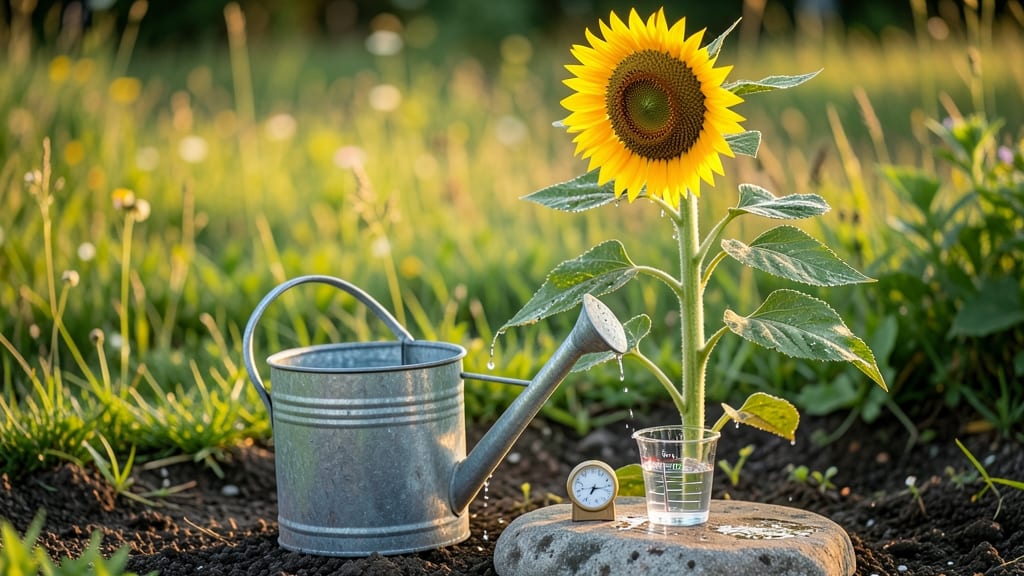
Sunflowers don’t actually require a lot of water once they’re established — just deep, infrequent soaks to keep their roots happy without drowning them.
Picture this: you water them every day, and instead of towering 🌻 giants, you get leggy, floppy stalks that never bloom. That’s because sunflowers are surprisingly drought-tolerant once their roots take hold — but they do need consistent moisture when they’re young.
In USDA Zone 6a, where spring planting kicks off in April, seedlings need water every 3-4 days to avoid stress, while mature plants can stretch their watering to 5-7 days in summer’s heat. The key? Soaking the soil deeply rather than giving them a quick sip.
Below, I’ll break down the exact watering schedule by growth stage, how to spot overwatering (yes, it’s a real problem), and the one trick that keeps your sunflowers thriving even in dry spells.
How much water do sunflowers actually need?
Sunflowers are drought-tolerant powerhouses once established, but their early growth stages demand careful attention to moisture. Contrary to popular belief, they don’t require excessive watering—just consistent hydration tailored to their life cycle. Understanding these needs prevents common mistakes like root rot or stunted growth that plague many gardeners.
Your sunflowers’ water requirements shift dramatically from seedling stage to full maturity. In the first few weeks, they need frequent but shallow watering to encourage root development. As they mature, deep watering sessions every 3-5 days become sufficient, especially in well-draining soil.
Climate plays a huge role—humid regions may need less frequent watering, while arid areas demand more.
Soil type is equally critical. Sandy soils dry out faster, requiring more frequent watering, while clay soils retain moisture longer. Organic matter like compost improves water retention without suffocating roots. Always check soil moisture 1-2 inches deep before watering—if it’s dry, it’s time.
Here’s the science-backed breakdown you need to avoid over- or underwatering your sunflowers:
| Growth Stage | Water Frequency | Depth | Climate Adjustments |
|---|---|---|---|
| Seedlings (0-2 weeks) | Every 2-3 days | 1-2 inches deep | Keep soil moist; use shade cloth |
| Vegetative (3-6 weeks) | Every 3-4 days | 3-4 inches deep | Increase frequency in heatwaves |
| Flowering (7-10 weeks) | Every 5-7 days | 4-6 inches deep | Reduce in humid climates |
| Mature (10+ weeks) | Every 7-10 days | 6 inches deep | Drought-tolerant; water only if wilted |
During the seedling stage, I keep my sunflowers under a light shade cloth to retain moisture and prevent wilting. This is the most critical phase—uneven watering can cause stunted growth or leggy stems.
A simple trick is to use a spray bottle for gentle hydration, ensuring the soil stays consistently moist but never soggy.
As sunflowers transition to the vegetative stage, their roots expand rapidly, requiring deeper watering. Aim for 1-1.5 gallons per plant every 3-4 days, focusing on the soil base rather than the leaves. This encourages strong root development and taller, sturdier stems capable of supporting those massive blooms.
When your sunflowers enter flowering stage, they become more drought-resistant but still need deep, infrequent watering. Overwatering now can cause buds to split or rot, ruining your harvest.
In my garden, I water in the early morning to allow foliage to dry quickly, reducing fungal risks like powdery mildew.
For container-grown sunflowers, watering needs increase dramatically. Pots dry out faster, so check soil moisture daily during hot weather. Dwarf varieties like ‘Teddy Bear’ may need watering every 2-3 days, while larger varieties in big containers can follow the same schedule as in-ground plants.
One of the biggest mistakes I see is surface-level watering, which only wets the top inch of soil. Sunflowers need water to reach their deep taproots, so always water until moisture penetrates 6 inches down. Use a long-handled trowel to check—if it comes out dry, keep watering.
In arid climates, mulching with straw or wood chips is a game-changer. It locks in moisture, regulates soil temperature, and reduces evaporation by up to 30%. I’ve seen sunflowers in 100°F heat thrive with mulch, requiring water only every 5-7 days instead of daily.
Finally, never water sunflowers at night. Wet foliage overnight creates the perfect conditions for fungal diseases like rust or blight. Stick to morning watering to give leaves time to dry in the sun, keeping your sunflowers healthy and vibrant from seedling to harvest.
Smart watering schedule for sunflowers: when and how to water
Sunflowers thrive on a consistent but strategic watering schedule that shifts as they grow. Unlike thirsty annuals, they despise soggy roots but need deep hydration to reach their towering potential.
My secret? Watering early in the morning when evaporation is lowest—this gives roots time to absorb moisture before the sun peaks.
For seedlings (first 4-6 weeks), aim for 1 inch of water every 2-3 days. Let the top inch of soil dry out between waterings to prevent fungal diseases like damping-off.
Overwatering here is the #1 killer of young sunflowers, so use a moisture meter or stick your finger in the soil to check.
🌱 Key Watering Rules for Sunflowers
- 1. Deep soaks (6-8 inches deep) every 3-5 days for established plants.
- 2. Morning watering (6-9 AM) reduces evaporation and fungal risks.
- 3. Drip irrigation is ideal—keeps water at soil level and avoids wetting foliage.
- 4. Mulch heavily (3-4 inches) to retain moisture and regulate soil temperature.
- 5. Adjust for heat: In 90°F+ weather, water every 2 days.
Once sunflowers hit vegetative growth (weeks 6-10), they can handle 5-7 days between waterings if your soil drains well. Look for wilting leaves as a sign—sunflowers wilt slightly in heat but perk up after watering (unlike overwatered plants, which stay limp).
Pro tip: Water at the base of the plant, not overhead, to prevent mildew on those huge leaves.
During flowering and seed development (weeks 10-14), reduce frequency to every 7-10 days unless your area is in a drought. Too much water now can cause bud drop or weak stems.
Test your soil: If it’s dry 2 inches down, it’s time to water. For container-grown sunflowers, check daily—they dry out 3x faster than in-ground plants.
Watch for these red flags: Yellowing leaves with crispy edges = underwatering; mushy stems or mold = overwatering. Sunflowers are forgiving, but extreme neglect leads to stunted growth or no blooms.
My go-to method? A 5-gallon bucket of water per plant every 5 days in summer—it’s the perfect deep soak without guesswork.
For drip irrigation systems, set emitters to deliver 1-1.5 gallons per plant per watering. If you hand-water, use a soaker hose for 20-30 minutes to ensure even moisture.
Remember: Sunflowers are drought-tolerant once established, but they won’t reach their full 6-16 ft height without proper hydration during critical growth stages.