
Orchid Care
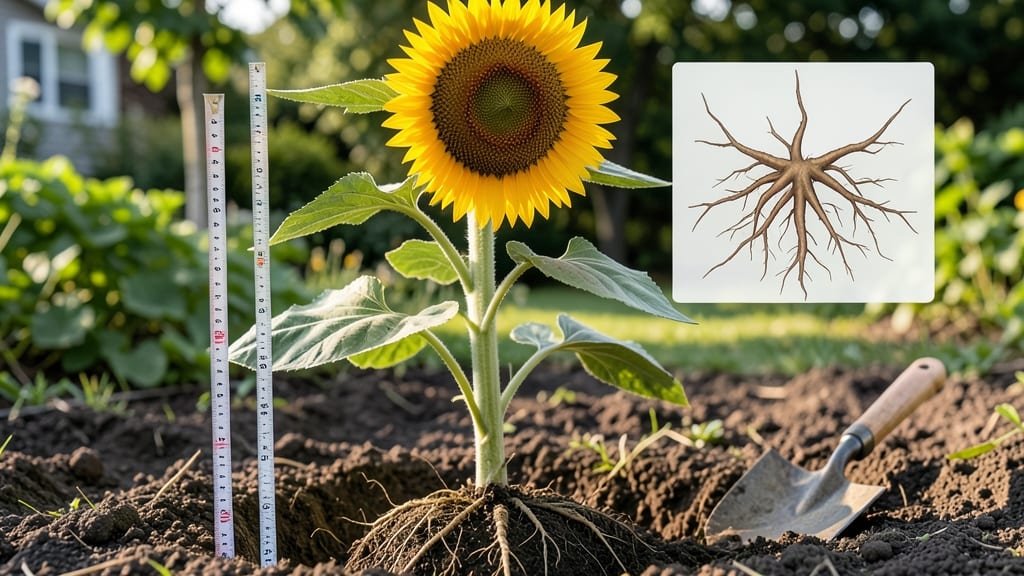
Sunflowers do have deep roots that can plunge up to 6 feet into the soil, anchoring them against wind and drought—far deeper than most gardeners realize.
That towering 🌻 you’re admiring? It’s not just a stem and leaves—it’s a root system designed to reach for stability and water, even in dry spells. If you’ve ever watched a sunflower sway in a breeze and wondered why it doesn’t topple, the answer lies below ground.
Root depth isn’t just about drama—it shapes how you plant, space, and water your sunflowers. A deep taproot means less frequent watering once established, but it also demands well-draining soil to avoid rot.
And if you’re growing tall varieties, spacing them properly becomes critical to give those roots room to spread.
In this guide, I’ll break down exactly how deep sunflower roots grow, what factors influence their size, and how to use that knowledge to keep your plants thriving—from wind resistance to water efficiency. Let’s dig in.
How deep do sunflower roots grow? The science behind their root systems
Sunflowers aren’t just about their towering bright yellow blooms—their root systems are just as fascinating. While you might picture them as shallow-rooted, the truth is far more impressive.
Most sunflowers develop a primary taproot that can plunge 4 to 6 feet deep, with secondary roots spreading laterally to stabilize the plant. This deep-reaching structure is nature’s way of ensuring your sunflowers stay upright and access water in dry spells.
The depth of sunflower roots isn’t just about survival—it directly impacts how you plant, water, and even companion plant in your garden. Understanding these roots helps you avoid common pitfalls like toppling plants or overwatering.
For example, giant varieties like Mammoth need extra space because their roots explore deeper and wider than dwarf types. Let’s break down the science and why it matters for your garden’s success.
The primary taproot is the star of the show, acting like a stabilizing anchor for your sunflower’s towering stem. Studies show that mature sunflowers can send their taproot down to 6 feet or more, especially in loose, sandy soils.
This depth allows them to tap into groundwater, making them surprisingly drought-tolerant once established. However, if your soil is clay-heavy or compacted, the roots may struggle to penetrate deeply, leading to weaker stems and more toppling.
Don’t overlook the secondary roots, either. These fibrous roots spread out horizontally, creating a wide network that absorbs nutrients and improves soil structure.
In fact, the lateral roots can extend 2 to 3 feet from the stem, which is why spacing sunflowers 18-24 inches apart gives them room to thrive without competing for resources. This root spread also makes them excellent companion plants for shallow-rooted crops like lettuce or radishes.
If you’ve ever planted sunflowers in containers or small gardens, you might have noticed stunted growth or leaning stems. This happens because the roots can’t explore their full depth or width, limiting the plant’s ability to anchor itself.
For container-grown sunflowers, choose dwarf varieties like Teddy Bear and use pots at least 12 inches deep to accommodate their roots. Even then, expect some compromise in height and stability compared to in-ground plants.
Another key factor is the soil type in your garden. Sunflowers thrive in well-draining, slightly acidic to neutral soil (pH 6.0–7.5). Sandy loam is ideal because it allows roots to penetrate easily, while heavy clay can suffocate them.
If your soil is compacted, consider amending it with compost or organic matter before planting. This not only improves root growth but also enhances water retention during dry periods.
For gardeners in windy climates, deep roots are a game-changer. The taproot’s depth and the lateral spread work together to create a natural windbreak, reducing the risk of your sunflowers snapping in storms.
If you’re growing giant varieties like Russian Giant or Mammoth, stake them early to provide extra support, especially in exposed areas. Even with staking, the deep roots will help the plant recover more quickly from bending or leaning.
Watering habits also change when you understand sunflower root depth. Because their roots dive deep, they can access moisture from lower soil layers, reducing the need for frequent surface watering. Instead, focus on deep watering sessions every 7–10 days once the plants are established.
This encourages roots to grow deeper, making your sunflowers more resilient during droughts. Overwatering, on the other hand, can lead to root rot, so always ensure excess water drains away from the base.
Finally, let’s talk about planting depth. While sunflower seeds are small, planting them too shallow can limit root development. Aim to bury them 1 inch deep in loose soil. If your soil is dense, you can press the seeds slightly deeper to help them establish a stronger taproot.
Remember, the deeper the roots go, the more stable and self-sufficient your sunflowers will be throughout the growing season.
Understanding sunflower root depth isn’t just about trivia—it’s about smart gardening. Whether you’re choosing varieties, amending soil, or designing your garden layout, these roots play a crucial role in your sunflowers’ success.
Next time you plant one, take a moment to appreciate the hidden world beneath the soil—it’s what makes those stunning blooms possible. 🌻
Why sunflower root depth affects your garden: stability, water needs, and planting tips
Sunflowers may seem delicate with their towering stems, but their deep root systems are the secret to their resilience. Those roots can plunge 3-6 feet deep, anchoring the plant firmly and accessing water from lower soil layers.
This natural stability is why sunflowers rarely topple—even in windy conditions—making them ideal for border gardens or windbreaks. Understanding this depth also helps you adjust your watering schedule and companion planting strategies for maximum success.
The depth of sunflower roots directly impacts how often you need to water them. With roots reaching deep, they access moisture from lower layers, reducing surface evaporation. This means less frequent watering once established—typically every 7-10 days in dry conditions—compared to shallow-rooted plants.
However, young seedlings still need consistent moisture to encourage root growth, so focus on keeping the top 6 inches of soil evenly damp during their first few weeks.
Here’s how sunflower root depth transforms your gardening approach:
- 1. Stability: Deep roots anchor sunflowers, preventing wind damage. Plant them 12-18 inches apart to avoid overcrowding and ensure each plant has space to develop a strong root system.
- 2. Water Efficiency: Once established, sunflowers need less frequent watering (every 10-14 days) because their roots tap into deeper moisture reserves.
- 3. Soil Health: Loose, well-draining soil encourages deeper root penetration. Amend clay soil with compost or sand to prevent compaction.
- 4. Companion Planting: Pair sunflowers with shallow-rooted plants like basil or lettuce to maximize space without competing for nutrients.
- 5. Troubleshooting: If sunflowers wilt despite deep roots, check for root rot or poor drainage—overwatering can suffocate roots.
For tall varieties like 'Mammoth' or 'Russian Giant,' deeper roots are a must to support their height. These giants can reach 12-16 feet tall, so planting them in well-aerated soil with plenty of space is critical.
In contrast, dwarf varieties like 'Teddy Bear' have shallower roots (1-2 feet deep) and need less room to thrive. Always match your sunflower variety to your garden’s soil conditions and available space.
Another key benefit of deep roots is their ability to outcompete weeds. Sunflowers’ extensive root systems crowd out shallow-rooted weeds, reducing the need for manual weeding.
However, this doesn’t mean you can neglect your garden entirely—mulching around the base with straw or wood chips helps retain moisture and suppress weeds while protecting roots from temperature fluctuations.
If your sunflowers aren’t growing as expected, their root depth might be the culprit. Compacted soil or poor drainage can stunt root growth, leading to weak stems and stunted growth.
To fix this, loosen the soil around the base with a garden fork and mix in organic matter like compost or aged manure. This encourages roots to grow deeper and stronger, setting your sunflowers up for success.
Deep roots aren’t just about stability—they’re a gardener’s ally for water conservation and soil health. By understanding how sunflower roots function, you can make smarter planting decisions, reduce maintenance, and create a garden that thrives with minimal effort.
Next time you’re planting sunflowers, remember: what’s below the soil is just as important as what’s above!