
Blooming
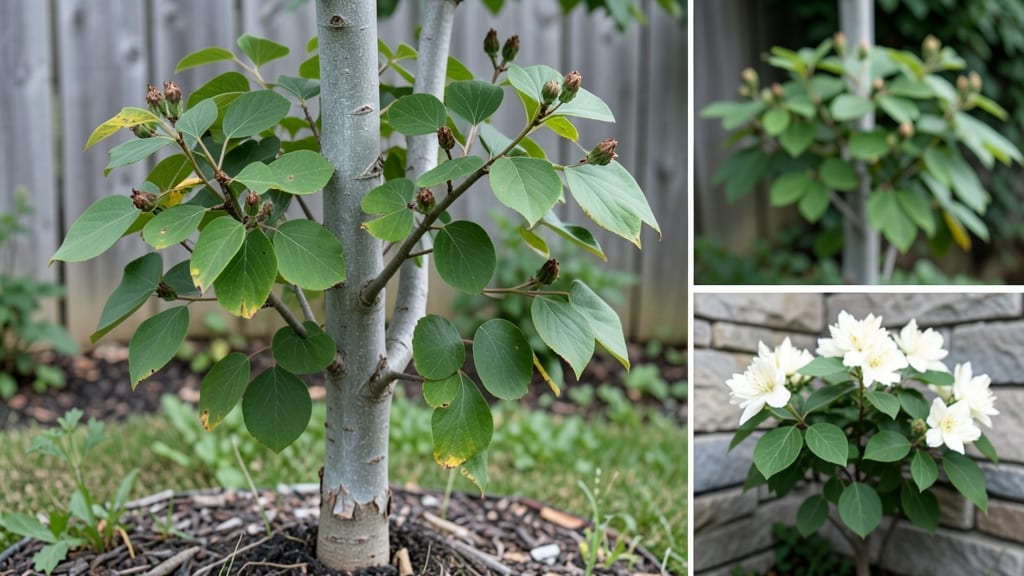
Dogwood trees not flowering can feel like a gut punch after years of waiting for those iconic blooms. 🌸 I’ve seen it happen when trees get overlooked—maybe they’re planted in the wrong spot or starved of nutrients, and suddenly, spring arrives with no show.
The good news? Most cases aren’t permanent. It often comes down to light, soil, or timing, and fixing it is simpler than you’d think.
First, check if your dogwood is getting the right conditions: at least 6 hours of sunlight daily, well-draining soil, and consistent moisture without soggy roots. Too much shade or poor drainage can trick the tree into focusing on survival instead of flowers.
I’ve revived stubborn trees just by moving them to a sunnier spot or amending heavy clay soil with compost—sometimes that’s all it takes.
If light and soil are fine, the issue might be pruning or nutrition. Dogwoods bloom on old wood, so aggressive pruning after flowering can cut off next year’s blooms. A light trim in late winter (before buds swell) keeps them healthy without sacrificing flowers.
Fertilizing in early spring with a balanced, slow-release formula can also give them the boost they need to rebloom.
Pests and diseases can sneak in quietly, too—look for holes, discolored leaves, or sawdust-like frass on branches. A targeted spray or soil drench often turns things around. The key is acting early: most dogwoods bounce back within 1-2 seasons once their needs are met. Let’s get those blooms back!
Underlying Reasons for Missing Blooms
Dogwood trees (Cornus florida) are celebrated for their stunning spring blooms, but when they fail to flower, it’s often a sign that something fundamental is off. Understanding the root causes—from environmental stress to biological needs—helps you diagnose and fix the issue before it becomes permanent.
Below, we break down the most common reasons why your dogwood might be skipping its floral show, backed by science and actionable insights.
🌱 Insufficient light exposure
Dogwoods thrive in full sun to partial shade, but too much shade or sudden changes in light can disrupt flowering. These trees rely on sunlight to trigger photosynthesis and floral bud formation.
- Why it happens: In low-light conditions, the tree prioritizes leaf growth over flower production, as leaves are its primary energy source. Dogwoods need at least 6 hours of direct sunlight daily for optimal blooming.
- Signs: Leaves appear sparse or pale, and the tree’s growth is leggy (stretched toward light sources).
- 💡 Pro Tip: If your dogwood is under mature trees or tall structures, consider pruning nearby foliage or transplanting it to a sunnier location. Young trees may need temporary shade cloth to acclimate if moved to a brighter spot.
❄️ Extreme temperature stress
Dogwoods are sensitive to late frosts, heatwaves, and temperature fluctuations, which can damage floral buds before they open.
- Why it happens:
- Late frosts (<32°F/0°C) can kill buds that haven’t yet hardened off, while early spring warmth followed by a freeze confuses the tree’s dormancy cycle.
- Heat stress (above 90°F/32°C for prolonged periods) causes buds to abscise (drop off) before blooming.
- Winter desiccation in dry climates can dry out buds, preventing them from swelling.
- Signs: Buds appear shriveled or blackened, or flowers emerge but wilt quickly in hot weather.
- 🌡️ Actionable Fix:
- Use frost blankets or row covers in late spring to protect emerging buds.
- Water deeply in late fall to help the tree establish a deep root system, improving drought resilience.
- Avoid planting dogwoods in microclimates prone to sudden temperature swings (e.g., near large bodies of water or urban heat islands).
💧 Watering and soil imbalances
Dogwoods demand consistent moisture and well-draining soil. Too much or too little water—and poor soil health—can starve the tree of the nutrients needed for flowering.
- Why it happens:
- Overwatering leads to root rot (Phytophthora fungi), which weakens the tree and diverts energy away from flowers.
- Underwatering causes stress and bud drop, as the tree conserves energy for survival.
- Compacted or nutrient-poor soil (e.g., clay or sandy soil) limits root growth, reducing the tree’s ability to absorb phosphorus and potassium—critical for flower development.
- Signs: Yellowing leaves, wilting, or soil that stays soggy (overwatering) or cracks when dry (underwatering).
- 💧 Soil Solutions:
- Test soil pH—dogwoods prefer acidic soil (pH 5.0–6.5). Amend with peat moss or sulfur if needed.
- Mulch with 3–4 inches of organic matter (wood chips, pine needles) to retain moisture and improve soil structure.
- Water deeply 1–2 times per week (1 inch total) during dry spells, focusing on the root zone.
⚕️ Pest and disease pressure
Dogwoods are susceptible to pests and diseases that damage foliage, roots, or buds, directly impacting flowering.
| Pest/Disease | How It Affects Blooms | Signs to Watch For | 🛡️ Prevention/Treatment |
|---|---|---|---|
| Dogwood Borer (larvae) | Larvae tunnel into stems, girdling the tree and blocking nutrient flow to buds. | Sawdust-like frass, oozing sap, or wilting branches. | Prune and burn infested branches; apply beneficial nematodes (e.g., Heterorhabditis bacteriophora) in early spring. |
| Powdery Mildew (fungus) | Covers leaves, reducing photosynthesis and weakening the tree’s energy reserves for flowers. | White, powdery coating on leaves; stunted growth. | Improve air circulation; spray with neem oil or baking soda solution (1 tbsp baking soda + 1 quart water + drop of soap). |
| Root Rot (Phytophthora) | Rots roots, starving the tree of water and nutrients, leading to bud failure. | Mushy, discolored roots; sudden leaf drop. | Improve drainage; avoid overwatering; treat with fungicide (e.g., phosphite-based). |
🔥 Early Detection: Inspect your dogwood monthly for signs of pests or disease. Catching issues early—before buds form—gives your tree the best chance to rebound.
⏳ Age and nutritional deficiencies
Not all dogwoods bloom every year, and some factors are simply out of your control—but others can be corrected with targeted care.
- Why it happens:
- Young trees (under 3–5 years) may not have enough energy reserves to flower heavily.
- Over-fertilizing with nitrogen (e.g., lawn fertilizer) promotes leafy growth at the expense of flowers.
- Phosphorus/potassium deficiency (critical for blooms) can occur in poor or depleted soil.
- Signs: Dark green, lush but sparse foliage with no buds; purple-tinged leaves (phosphorus deficiency).
-
Revive Your Dogwood’s Blooms
If your dogwood tree has skipped its floral show, don’t despair—most issues are fixable with the right care. Below, we’ve mapped out targeted solutions based on the most common causes, along with easy-to-follow steps to restore those stunning blooms. Think of this as your dogwood’s emergency bloom revival kit!
🌱 Fixing Poor Blooming Due to Insufficient Sunlight
Dogwoods thrive in partial shade to full sun, but too little light can stunt flower production. If your tree is tucked under dense canopies or in a shady corner, here’s how to help:
🔥 Step 1: Assess the Light Conditions
Spend a day observing your tree’s sunlight exposure. Dogwoods need at least 4–6 hours of direct sunlight daily (morning sun is ideal). Use a light meter or app to track hours if unsure.
🍳 Step 2: Thin Overhead Canopy or Prune Nearby Trees
If other trees or structures are blocking light, prune them strategically in late winter or early spring (before new growth starts). Focus on:
- Removing dead or overgrown branches of neighboring trees.
- Trimming low-hanging limbs that cast deep shade.
- Avoid heavy pruning—dogwoods are sensitive to stress.
👨🍳 Step 3: Gradually Acclimate Your Tree
If your dogwood is unaccustomed to sun, don’t move it abruptly. Instead, thin nearby foliage slowly over 2–3 seasons to prevent leaf scorch.
💡 Prevention Tip:
When planting new dogwoods, choose a spot with dappled sunlight (filtering shade from deciduous trees works well). Avoid dense evergreen shade, which can suppress blooms entirely.
🌡️ Correcting Nutrient Deficiencies for Better Blooms
Dogwoods are light feeders, but lack of key nutrients—especially phosphorus and potassium—can lead to sparse or no flowers. Here’s how to diagnose and fix it:
📊 Step 1: Test Your Soil
Conduct a soil test to check pH (ideal: 5.0–6.5) and nutrient levels. Many nurseries or extension offices offer affordable kits.
🍎 Step 2: Amend the Soil Gently
If your soil is deficient, apply a balanced, slow-release fertilizer (like 10-10-10) in early spring before new growth begins. For a natural boost:
- Mix in compost (2–3 inches) around the root zone.
- Add bone meal (for phosphorus) if blooms are the priority.
- Avoid high-nitrogen fertilizers—they promote leafy growth at the expense of flowers.
✨ Pro Tip:
Dogwoods hate synthetic fertilizers with high salt content. Opt for organic options like fish emulsion or kelp meal to prevent root burn.
⏰ Addressing Age or Over-Maturity Issues
Most dogwoods bloom best when 10–15 years old. Younger trees may not flower yet, while older ones might produce fewer blooms due to energy shifts. Here’s how to encourage reblooming:
🔪 Step 1: Rejuvenate with Strategic Pruning
If your dogwood is past its prime, rejuvenation pruning can stimulate new growth and flowers. In late winter:
- Remove up to 1/3 of the oldest, thickest branches at the base.
- Cut back water sprouts or dead wood to redirect energy.
- Avoid topping—the tree (it encourages weak growth).
🌿 Step 2: Boost Energy with Proper Care
Older dogwoods need extra support to rebound. Ensure they receive:
- Consistent moisture (deep watering 1–2x weekly in dry spells).
- Mulch (3 inches of organic mulch, kept 6 inches from the trunk).
- Protect from stress (avoid heavy pruning in summer or fall).
🎯 Long-Term Tip:
If your dogwood is over 20 years old and still struggling, consider planting a younger specimen nearby—some varieties (like Cornus florida ‘Cherokee Brave’) bloom more reliably as they age.
🚫 Fixing Pest or Disease Damage
Pests like dogwood borers or diseases such as powdery mildew can drain your tree’s energy, leading to poor flowering. Act fast with these solutions:
🐜 Step 1: Identify the Culprit
Check for:
- Borers: Sawdust-like frass at branch bases or oozing sap.
- Powdery Mildew: White, talcum-like coating on leaves.
- Scale Insects: Sticky residue (honeydew) on foliage.
🛡️ Step 2: Treat Accordingly
For borers:
- Inject systemic insecticide (like imidacloprid) into the trunk in early spring.
- Prune and burn or dispose of infested branches.
For powdery mildew:
- Spray with neem oil or baking soda solution (1 tsp baking soda + 1 quart water + a drop of soap).
- Improve air circulation by thinning nearby plants.
🌡️ Prevention Tip:
Keep your dogwood healthy year-round to deter pests:
- Water at the base (not overhead) to reduce mildew.
- Apply copper fungicide in early spring as a preventive measure.
- Encourage beneficial insects (like ladybugs) with native plants.
With these targeted fixes, your dogwood should be well on its way to a show-stopping spring display. Patience is key—some solutions (like sunlight adjustments or rejuvenation pruning) may take a season or two to show results. Happy gardening! 🌸🌿
Frequently asked questions
1Why isn’t my dogwood blooming even after years of care?
If your dogwood isn’t blooming, it’s often due to one of three key factors: insufficient sunlight (4-6 hours daily), nutrient deficiencies (especially phosphorus), or improper pruning timing. Young trees (under 3-5 years) may simply need time to mature before producing flowers. Check for leggy growth or sparse foliage—these are red flags for light issues. A soil test can reveal hidden nutrient gaps, while reviewing your pruning habits (avoid cutting after flowering) can also make a difference.
2How can I tell if my dogwood is getting enough sunlight?
Look for these signs: Healthy dogwoods have upright, compact growth with no stretched-out branches. If your tree’s leaves appear pale or sparse and the branches lean toward light sources, it’s likely not getting enough sun. Use a light meter or observe the area for 4-6 hours of direct sunlight daily. If nearby trees are blocking light, prune them gently in late winter to improve exposure.
3What’s the best time to fertilize for better blooms?
Fertilize your dogwood in early spring, right before new growth begins. Use a balanced, slow-release formula (like 10-10-10) or bone meal for phosphorus-heavy blooms. Avoid high-nitrogen fertilizers—they encourage leafy growth at the expense of flowers. For organic options, try fish emulsion or kelp meal to prevent root burn while boosting nutrients.
4Can I save a dogwood that’s been flowering poorly for years?
Yes! Most dogwoods respond well to targeted care. Start by testing your soil and adjusting pH to 5.0–6.5. If pests or diseases are the issue, treat them promptly with neem oil or systemic insecticides. For older trees, rejuvenation pruning in late winter can stimulate new growth and blooms. With consistent care, many dogwoods bounce back within 1-2 seasons.
5Should I worry if my dogwood has no buds at all?
No buds at all usually signals a deeper issue like extreme stress from transplant shock, root rot, or severe pest damage. Check the roots for rot (mushy texture) and inspect branches for borer holes or sap. If the tree looks otherwise healthy, it may just need time—younger trees often take 3-5 years to establish enough energy for blooms. Mulch generously and ensure consistent moisture to help it recover.