
Trees
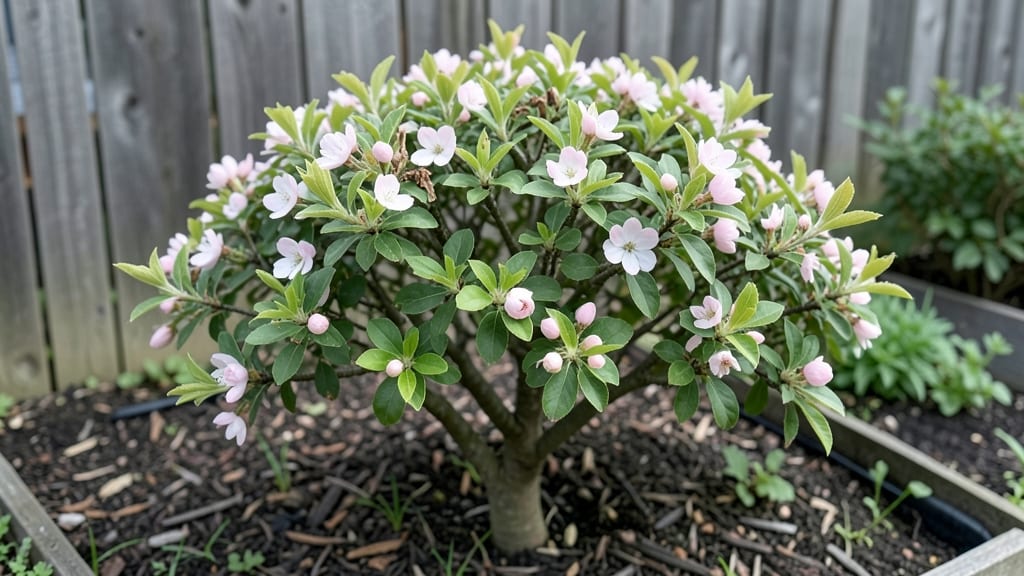
Growing a donut peach tree 🍑 with vibrant flowers means unlocking the secret to sweet, abundant fruit—but only if you understand what those blossoms really need.
Your donut peach tree’s delicate flowers are the secret to a bountiful harvest, but what if they’re sparse or failing to produce fruit? The key lies in understanding their needs and implementing proven techniques to trigger heavy blooming.
In USDA Zone 6, where spring’s fickle weather can throw off blooming cycles, the right soil, sunlight, and timing make all the difference. Without these, even the hardiest trees struggle to set fruit.
Here’s how to give your tree the perfect conditions for lush, productive blooms, from early spring prep to summer care that keeps flowers—and fruit—coming back year after year.
Why donut peach tree flowers struggle to bear fruit (and how to fix it)
Your donut peach tree may look stunning with its ornamental double blooms, but if those flowers aren’t converting to fruit, you’re not alone. Many gardeners face this challenge because peach trees are sensitive to environmental cues and cultural practices.
Understanding the root causes—like temperature stress, nutrient imbalances, or pruning mistakes—is the first step to fixing the issue and encouraging a heavy fruit set.
Peach trees, including dwarf varieties like the donut peach, rely on a perfect balance of sunlight, water, and nutrients to trigger blooming and fruit development. Even a small misstep—like over-pruning or poor soil drainage—can disrupt this process.
The good news? With targeted adjustments, you can revive your tree’s productivity and enjoy a harvest of sweet, donut-shaped peaches.
⚠️ WARNING: Common Mistakes Killing Your Donut Peach Tree Blooms
⚠️ Nutrient Deficiencies: A lack of phosphorus or zinc can stunt flower development. Yellowing leaves or stunted growth are red flags for poor soil health. Test your soil and amend with compost or bone meal if needed.
⚠️ Temperature Stress: Late frosts or heatwaves can damage delicate peach blossoms. Protect your tree with frost cloths in spring and ensure it’s planted in a sunny, sheltered spot to avoid extreme heat.
⚠️ Pest/Disease Pressure: Aphids, peach leaf curl, or bacterial spot can weaken your tree, reducing its ability to bloom. Inspect leaves regularly and treat early with neem oil or copper fungicide.
One of the most common reasons your donut peach tree flowers aren’t bearing fruit is inadequate sunlight exposure. Peach trees thrive in full sun (6+ hours daily), and even partial shade can reduce flower production.
If your tree is planted under overhanging branches or near tall structures, consider relocating it to a sunnier spot. Young trees, in particular, need unobstructed sunlight to develop strong flower buds for the following season.
Another critical factor is watering consistency. Fluctuating moisture levels can cause bloom drop or poor fruit set. During the blooming phase, aim for deep, infrequent watering—about 1-2 inches per week—to encourage strong root growth.
Avoid overwatering, which can lead to root rot and further stress the tree. Mulching around the base with organic matter helps retain moisture and regulate soil temperature.
Nutrient deficiencies often go unnoticed until your tree’s blooms start looking weak or sparse. Peach trees require a balanced fertilizer rich in phosphorus (P) and potassium (K) to support flower and fruit development. If your tree shows signs like yellowing leaves or stunted growth, it may need a phosphorus boost. Apply a 10-10-10 fertilizer in early spring and again after harvest to promote healthy blooming for the next season.
Pruning plays a pivotal role in encouraging fruit-bearing flowers. Unlike many fruit trees, peaches bloom on old wood, so avoid heavy pruning during dormancy. Instead, focus on light pruning in late winter or early spring to remove dead or crossing branches.
Open the canopy slightly to improve air circulation, which reduces the risk of diseases like peach leaf curl. Never prune after blooming, as this can remove next year’s flower buds.
Pests and diseases can silently sabotage your donut peach tree’s ability to bloom. Aphids, scale insects, and peach borers can weaken the tree, while fungal diseases like peach leaf curl or bacterial spot can distort leaves and flowers.
Start with preventative care: apply dormant oil in late winter to kill overwintering pests, and use copper fungicide in early spring to prevent fungal infections. Regularly inspect your tree for early signs of stress, such as curling leaves or black spots.
If your donut peach tree is struggling with poor fruit set, consider hand-pollination if you’re in an area with low bee activity. Use a soft paintbrush to transfer pollen from one flower to another on cool, dry mornings.
This method works best for self-pollinating varieties but can give your tree a helping hand when natural pollinators are scarce. Pair this with consistent watering and proper fertilization to maximize your chances of a successful harvest.
For dwarf donut peach trees, container growing can add another layer of challenges. Ensure your pot has adequate drainage and is large enough to accommodate the tree’s root system. Root-bound trees struggle to absorb nutrients and water, leading to poor blooming.
Repot every 2-3 years and use a well-draining potting mix with added compost to support healthy growth. Place your container in a sunny spot and water frequently during dry spells.
Finally, patience and consistency are key. Peach trees often take 2-3 years to mature enough to produce reliable fruit. During this time, focus on building soil health, providing proper care, and protecting your tree from pests and diseases.
With the right approach, your donut peach tree will reward you with abundant blooms and a sweet harvest for years to come. 🍑
Step-by-step guide to maximizing donut peach tree flower production
Your donut peach tree relies on healthy flower production to yield those sweet, donut-shaped fruits—but many gardeners miss the seasonal cues that trigger blooms. The difference between sparse flowers and a lush canopy often comes down to timing and precision care.
By following this seasonal checklist, you’ll create the ideal conditions for your tree to burst into bloom every spring.
Peach trees are dormant in winter, but proper winter prep sets the stage for next year’s flowers. Early spring is critical for pruning and fertilization, while bloom time requires gentle watering and pest control.
Skipping any step can leave your tree struggling to produce flowers—or worse, flowers that fail to develop into fruit. Let’s break down the exact actions to take at each stage.
Seasonal Care Calendar for Donut Peach Tree Blooms
Apply 3-4 inches of mulch around the base to insulate roots. Prune dead or diseased branches and spray with dormant oil to prevent pests.
Remove crossing or weak branches to improve airflow. Apply balanced 10-10-10 fertilizer at 1 cup per 10 sq ft when buds swell.
Water deeply 2x per week (20L per tree) and avoid overhead spraying. Use light fertilizer (5-5-5) to sustain blooms without shocking the tree.
Remove spent fruit and thin remaining fruit to 6-inch spacing. Apply compost tea to replenish soil nutrients for next year’s blooms.
Reduce watering to bi-weekly and avoid heavy fertilization. Monitor for peach tree borers and treat with neem oil if needed.
Timing is everything when it comes to donut peach tree flowers. For example, pruning too late in spring can remove next year’s flower buds, while fertilizing after June 1st encourages new growth that won’t harden off before winter.
Even water stress during bloom time can cause flowers to drop before setting fruit.
Pro tip: Use a gardening journal to track your tree’s progress each season. Note when buds swell, flowers appear, and fruit sets—this helps you adjust future care. For instance, if your tree blooms late, you may need to advance dormancy prep or choose an earlier-blooming variety.
Don’t forget that pollination plays a role too! While donut peach trees are self-pollinating, planting a second tree nearby can boost fruit set by 30%. Bees and other pollinators thrive in sunny, wind-protected areas, so position your tree where they’ll visit frequently.
With this seasonal roadmap, your donut peach tree will reward you with abundant flowers and a harvest of sweet, donut-shaped peaches year after year. The key is consistency—stick to the schedule, and you’ll see dramatic improvements in just one growing season! 🌸