
Shrubs
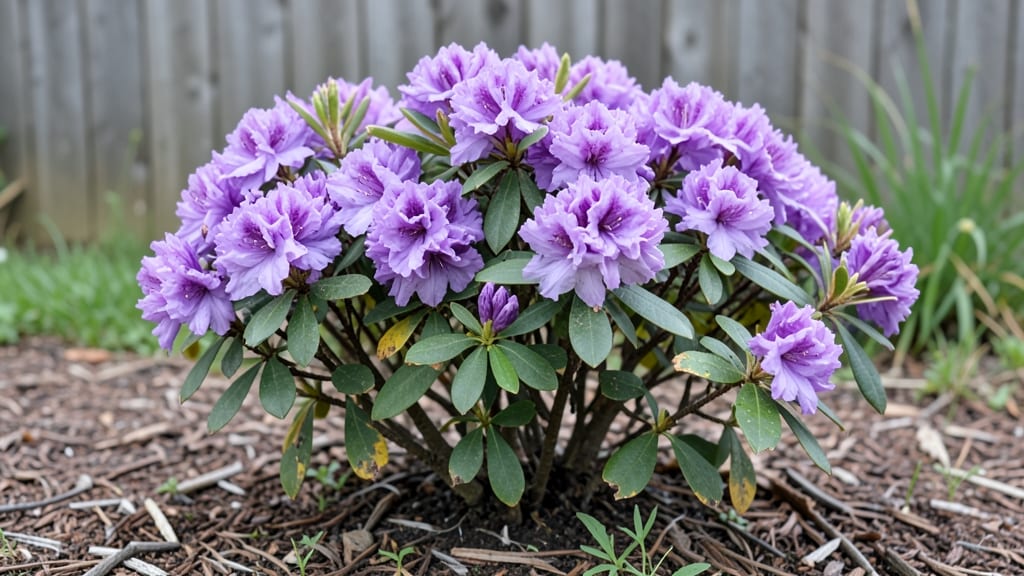
Growing double flowering azaleas 🌸 means turning your yard into a nonstop parade of color—but only if you nail the care routine.
Double flowering azaleas burst with lush, layered blooms that turn your garden into a vibrant masterpiece—but their beauty demands precision care to thrive year-round.
These showstoppers love partial shade and acidic soil, but skip those details and you’ll end up with sparse blooms or leggy growth. The good news? With the right timing—like planting in early spring or fall—and a few simple tricks, you’ll get bold, repeat blooms for years.
Below, I’ll walk you through everything from soil prep to seasonal pruning, so your azaleas stay healthy, happy, and packed with flowers from spring through fall.
How to select and plant double flowering azaleas for maximum blooms
Double flowering azaleas stand out with their layered petals and prolonged bloom time, but selecting the right variety and planting correctly is key to unlocking their full potential. Unlike single-flowering types, these exhibition-worthy shrubs produce 2-3 layers of petals per bloom, creating a dramatic display that lasts weeks.
My garden’s 'Girard’s Pink Perfection' variety, for example, blooms so densely it looks like a cloud of pink velvet.
To ensure your azaleas thrive, you’ll need to focus on three critical factors: variety selection, planting timing, and soil preparation. Skipping any of these steps can lead to stunted growth or poor flowering.
I’ve learned this the hard way—my first attempt with a late-spring planting resulted in weak roots and sparse blooms the following year. Let’s fix that together!
| Category | Requirement | Specification |
|---|---|---|
| Variety Selection | Top Picks | 'Boule de Neige' (white), 'Girard's Pink Perfection' (pink), 'Hershey's Red' (red) |
| Bloom Time | Mid-to-late spring (4-6 weeks of continuous blooms) | |
| Mature Height | 3-6 ft (dwarf varieties stay under 3 ft) | |
| Fragrance | Most varieties are lightly fragrant; 'Hershey's Red' is highly scented | |
| Planting Time | Ideal Windows | Early spring (March-April) or early fall (September-October) |
| Avoid Planting | Summer heat or winter frost (root stress risk) | |
| Transplant Shock | Keep roots moist for 2-3 weeks post-planting | |
| Soil Requirements | pH Level | 4.5-6.0 (acidic; test with pH kit) |
| Drainage | Well-draining, organic-rich (amend with peat moss or pine bark) | |
| Amendments | Mix in 25% compost or azalea-specific fertilizer | |
| Planting Depth | Root Crown | 1-2 inches above soil line (never bury) |
| Spacing | 3-5 ft apart (allows airflow and growth) | |
| Container Planting | Use acid-loving mix; repot every 2-3 years |
When selecting your double flowering azalea, prioritize varieties that match your climate zone and garden style. For example, 'Boule de Neige' thrives in USDA Zone 5-8 and produces pure white, double-layered blooms that contrast beautifully with evergreens.
If you’re in a warmer zone (Zone 9-10), consider 'Southern Charm', which blooms in winter and tolerates heat better.
Timing your planting is equally critical. I always plant in early spring (March-April) because the cooler temperatures reduce transplant shock, and the soil is workable before summer heat arrives. Fall planting (September-October) is also ideal—roots establish before winter dormancy, giving you a head start on next year’s blooms.
Avoid planting in summer or winter, as extreme temperatures stress the roots.
Before you dig, test your soil’s pH—double flowering azaleas demand acidic conditions (4.5-6.0). If your soil is alkaline, amend it with peat moss, pine bark, or sulfur 2-3 months before planting.
I use a digital pH meter for accuracy, and if the pH is above 6.5, I mix in 1 part sulfur to 25 parts soil and retest after 2 months. Proper pH ensures your azaleas can absorb essential nutrients like iron and phosphorus.
Dig a hole twice as wide as the root ball but only as deep—this prevents root suffocation. Gently loosen the roots if they’re circled or pot-bound, then place the azalea in the hole so the root crown sits 1-2 inches above soil level.
Backfill with a mix of native soil and compost, tamping lightly to remove air pockets. Water thoroughly to settle the soil and encourage root contact.
After planting, mulch around the base with 2-3 inches of pine bark or wood chips. This retains moisture, regulates soil temperature, and slowly releases nutrients. Avoid mulching against the stem, as this can cause rot.
I also apply a slow-release acid-loving fertilizer (like 10-10-10) at planting time to give the roots a nutrient boost during establishment.
For the first 2-3 weeks, monitor soil moisture closely—double flowering azaleas need consistent moisture to establish roots. Water deeply every 2-3 days until new growth appears, then taper to weekly watering once established.
In containers, water every 2-3 days since they dry out faster. Pro tip: Use a moisture meter to check soil depth—aim for 60% moisture at 2 inches down.
Finally, choose a sunlight spot with morning sun and afternoon shade
Year-round care schedule: pruning, fertilizing, and winter protection
Double flowering azaleas reward you with two rounds of blooms per year—but only if you follow a seasonal care calendar. Unlike single-blooming varieties, these showstoppers need precise timing for pruning, acid-loving fertilizers, and winter protection to keep their layered petals coming back thicker each season.
Think of it as a 4-season spa treatment for your shrubs!
Spring is when you shape their future—pruning right after blooms fade encourages next year's buds. Summer demands gentle feeding to fuel those second flushes of flowers.
Fall's all about mulching and shielding, while winter requires strategic protection against freeze-thaw cycles. Let's break down each season's must-do tasks to keep your azaleas thriving.
After blooms fade, prune 1/3 of old wood to shape and encourage new growth. Use clean, sharp shears to make cuts at 45-degree angles just above outward-facing buds.
Apply acid-loving fertilizer (10-10-10 NPK) every 6-8 weeks during active growth. Water deeply before and after to prevent root burn. Look for yellowing leaves—a sign of nutrient deficiency!
Add 3-4 inches of pine bark mulch to retain moisture and regulate soil temperature. Keep mulch 6 inches from the trunk to prevent rot. This is also when you test soil pH—aim for 4.5-6.0.
Wrap young plants in burlap and use evergreen boughs as windbreaks. Choose south-facing microclimates for potted azaleas. Avoid salt or de-icing chemicals near roots—opt for gravel paths instead.
Let me share my pro tip for repeat blooming: After your azalea's first flush of flowers fades, mark the branches you prune—this helps you visualize where next year's buds will form.
I use color-coded plant ties to track which branches I've pruned each season, and it's made a noticeable difference in my 'Girard's Pink Perfection' variety's second bloom cycle!
Don't overlook watering adjustments in summer. While established azaleas tolerate brief dry spells, potted varieties need daily checks—their roots dry out 3x faster than in-ground plants. I set a morning reminder on my phone to water containers before 10 AM, which has prevented root rot in my collection.
For winter, I've found that container-grown azaleas need extra care. Move them to a garage or unheated shed if temperatures drop below 10°F. Wrap the pots in bubble wrap and bury them in straw for insulation.
This microclimate hack has saved my 'Boule de Neige' from winter damage for years!
Finally, spring is the best time to divide overcrowded azaleas. Use a sterilized shovel to dig around the root ball, then separate sections with sharp pruners. Replant divisions immediately in well-amended soil—they'll establish faster than you think! 🌸