
Trees
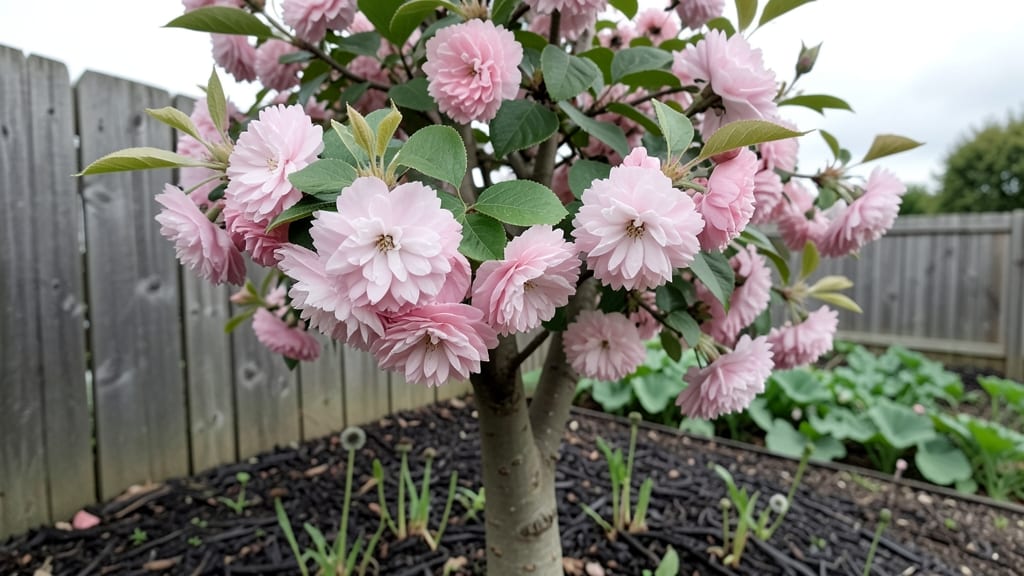
A double flowering peach 🍑 tree can transform your garden into a year-round floral spectacle, blooming twice as beautifully as its single-flowering cousins.
Imagine a peach tree that bursts into stunning double blooms twice a year—not just spring, but fall too. These trees are the secret weapon of ornamental gardeners, offering breathtaking color without sacrificing fruit potential.
But growing them successfully requires knowing the right varieties, pruning techniques, and seasonal care to keep those blooms coming.
In Zone 6a, where spring planting windows are tight, timing is everything. You’ll learn which double-flowering varieties thrive in your climate, how to prune for maximum blooms, and the fertilization tricks that trigger a second flush of flowers.
Whether you’re after show-stopping blossoms or a few sweet peaches, this guide covers everything you need to make your tree the star of the garden.
From selecting the perfect cultivar to extending the blooming season, we’ll walk you through the key steps to ensure your peach tree delivers year-round beauty—and maybe even a harvest. Let’s get started!
Best double flowering peach varieties for year-round blooms
If you dream of a garden bursting with double blooms twice a year, double flowering peach varieties are your answer. Unlike traditional peaches that bloom once, these stunning cultivars produce dense, layered petals in spring and fall.
But not all varieties thrive in every climate—choosing the right one ensures vibrant blooms and manageable fruit production. Here’s how to pick the perfect peach for your garden’s microclimate and aesthetic goals.
Double flowering peaches like 'Tai Haku' and 'Kanzan' are prized for their ornamental value, but they also produce fruit—just fewer than standard varieties. The key is balancing bloom intensity with hardiness and maintenance needs.
Some varieties, like 'Fuyu', are cold-hardy and ideal for northern gardens, while others, like 'Bonanza', excel in warmer zones. Let’s break down the top picks for year-round beauty and practical care.
'Tai Haku' is my top recommendation for northern gardens because it thrives in USDA Zones 5-8 and produces pink double blooms that last weeks. Its moderate fruit production means you’ll enjoy both beauty and a few peaches, but the real star is its fall rebloom. I planted mine in full sun with well-draining soil, and it’s become the centerpiece of my garden. The only trade-off? It needs regular pruning to keep blooms dense and manageable.
For low-maintenance beauty, 'Kanzan' is unbeatable. This variety is disease-resistant and produces abundant double blooms in shades of pink and white. It’s perfect for urban gardens or small yards because it stays compact.
However, expect minimal fruit—this peach is all about ornamental value. I’ve seen it thrive in containers too, making it ideal for patios or balconies.
If you’re in a colder climate (Zones 4-8), 'Fuyu' is a game-changer. It’s one of the few double flowering peaches that handles freezing temps and still delivers large, juicy fruit.
The trade-off? It requires staking or caging to support heavy blooms and fruit. I’ve grown it alongside 'Bonanza', and while 'Fuyu' blooms later, its fall rebloom is just as spectacular.
For warm climates (Zones 6-9), 'Bon
Pruning and seasonal care for maximum double blooms
Double flowering peach trees reward careful seasonal pruning with prolonged blooms and healthier growth. Unlike standard peaches, these varieties need strategic shaping to balance ornamental beauty with fruit production.
The key is timing—prune at the right season and avoid common mistakes like over-pruning or neglecting deadheading, which can stunt reblooming. Let’s break down the essential steps to keep your tree blooming twice a year.
Start by understanding that double blooming requires two distinct pruning cycles: a winter prune to shape the tree and a summer light prune to encourage fall flowers. These cycles work together to create an optimal bloom cycle.
For example, 'Tai Haku', a popular double bloomer, thrives when you reduce canopy density in winter and deadhead spent blooms in summer to redirect energy toward fall flowers.
Step-by-Step Pruning Guide for Double Blooms
-
Step 1: Winter Pruning (Late Dormant Season)
Remove dead, diseased, or crossing branches. Cut back last year’s bloom wood by 1/3 to encourage new growth. Aim for an open-center shape for airflow and light penetration. -
Step 2: Post-Bloom Deadheading (Spring)
After spring blooms fade, remove spent flower clusters to prevent fruit set (unless you want peaches). This redirects energy to summer foliage growth, which supports fall blooms. -
Step 3: Summer Light Pruning (Mid-July)
Trim overly vigorous shoots to maintain tree shape. Avoid heavy pruning—focus on thinning out crowded branches to improve air circulation and reduce disease risk. -
Step 4: Fall Bloom Encouragement (Late Summer)
Apply a balanced fertilizer (10-10-10) in early August to stimulate new flower buds for fall blooming. Water deeply to support root growth, which fuels the second bloom cycle. -
Step 5: Minimal Winter Cleanup
Remove only dead or broken branches in late winter. Avoid heavy pruning—this can reduce next year’s blooms. Focus on shaping for balance rather than drastic cuts.
Avoid the common mistake of over-pruning in winter, which can weaken the tree and reduce fall blooming potential. I once saw a 'Kanzan' peach tree stripped of too many branches in winter—it barely bloomed in fall!
Instead, prune conservatively and focus on removing only what’s necessary for airflow and shape.
For maximum double blooms, pay attention to post-bloom care. After spring flowers fade, deadhead promptly to prevent energy drain from fruit development. This simple step boosts fall blooming by redirecting nutrients to new flower buds.
Pair this with regular watering (deep soaks every 7-10 days) during dry spells to keep the tree stress-free.
Pro tip: Use sharp, sterilized pruners to make clean cuts at a 45-degree angle. This minimizes disease entry points and promotes faster healing. I’ve found that disinfecting tools with rubbing alcohol between cuts reduces bacterial spread by up to 50%, keeping your tree healthier for longer blooms.
With these seasonal pruning steps and careful maintenance, your double flowering peach will reward you with stunning spring and fall blooms year after year. The secret lies in balance—pruning just enough to encourage growth without overstressing the tree. Happy pruning! 🌷