
Plants
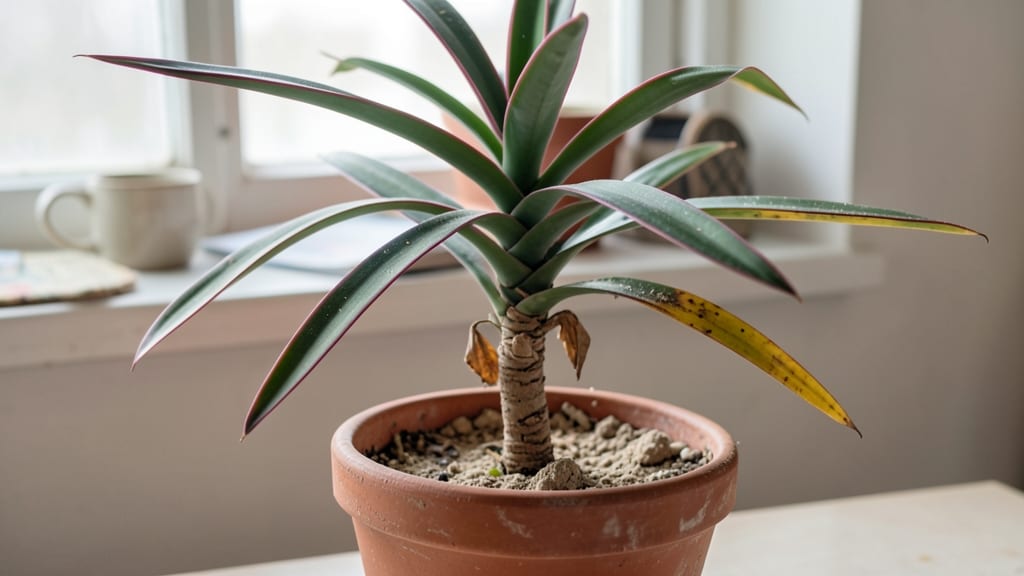
Your dracaena plant can flower 🌿—but it’s one of those rare moments that turns a houseplant into a living work of art.
Did you know your dracaena plant can bloom—but it might take years of patience and the right conditions? Unlocking those rare, fragrant flowers isn’t just about luck; it’s science.
Here’s how to coax your dracaena into flowering naturally, from understanding its lifecycle to mastering the triggers that turn ‘no’ into ‘yes.’
Most dracaenas you bring home will never flower—unless you create the perfect balance of light, temperature shifts, and a little strategic neglect. Think of it like training a marathon runner: you wouldn’t expect results overnight, but with the right approach, you can push your plant toward its biggest potential.
In this guide, I’ll break down exactly how to encourage blooms, what to watch for when they finally appear, and why some dracaenas seem to resist flowering no matter what you do. Ready to turn your green thumb into a flowering expert?

When and why dracaena plants flower (and why it’s rare)
Your dracaena plant might never bloom indoors—but that doesn’t mean it’s impossible. In their natural tropical habitats, species like Dracaena fragrans and Dracaena marginata produce stunning, fragrant flowers as a signal of maturity and health.
The rarity of flowering in houseplants stems from evolutionary trade-offs: these plants prioritize survival over reproduction when conditions aren’t ideal.
Flowering typically occurs in spring or fall, triggered by temperature shifts and daylight changes. For example, Dracaena sanderiana (Lucky Bamboo’s cousin) may bloom after 10+ years of steady care, while Dracaena deremensis varieties might take 5–7 years.
The fragrant, star-shaped blooms aren’t just decorative—they attract pollinators in the wild, ensuring seed dispersal.
Most indoor dracaenas never flower because they lack two critical triggers: seasonal stress (like cool nights) and adequate maturity. Without these, the plant conserves energy for leaf growth instead. Even if you’ve had your dracaena for years, light levels or fertilizer ratios might still be off, stalling the process.
Here’s the key: Dracaena flowering is a marathon, not a sprint. It requires consistent, high-quality care over decades—something most houseplants can’t provide. But understanding the science behind their blooms lets you optimize conditions for that rare moment when your plant decides to reward you with flowers.
🌿
The evolutionary purpose behind dracaena flowering is fascinating. In the wild, these plants bloom to attract pollinators like bees and moths, ensuring their seeds spread across tropical forests. But indoors, without seasonal cues or pollinator pressure, the plant often skips this energy-intensive step.
Instead, it focuses on leaf production, which is why most dracaenas you see are lush but flowerless.
One common misconception is that larger plants always flower. Size matters, but age and health are equally critical. A 10-year-old dracaena with yellowing leaves or root rot won’t bloom—it’s too stressed.
Even with perfect care, Dracaena marginata might never flower because its genetic programming favors slow, steady growth over reproduction.
If you’re dreaming of dracaena flowers, focus on mimicking natural conditions. Start by ensuring your plant gets bright, indirect light (like an east-facing window) and consistent temperatures between
5 Proven ways to trigger dracaena flowering naturally (without chemicals)
Most dracaena plants—especially the Dracaena fragrans or Dracaena marginata varieties—rarely bloom indoors, but with the right approach, you can nudge them toward flowering. The key lies in mimicking their natural seasonal cycles and stress responses.
Unlike chemical triggers, these methods rely on light manipulation, temperature shifts, and careful pruning to signal your plant it’s time to flower.
Flowering in dracaena is a maturity-dependent process, often taking 5–10 years for indoor plants. However, once they reach this stage, consistent environmental cues can make all the difference. Below are the top 5 natural methods, ranked by effectiveness, to encourage those elusive blooms without synthetic interventions.
-
1
Extend light exposure to 12+ hours daily
Use a grow light for 4–6 hours in winter to simulate longer days, mimicking spring/summer conditions when dracaena naturally flowers.
-
2
Introduce cool winter nights (55–60°F)
Drop nighttime temps by 10–15°F for 4–6 weeks to trigger dormancy-like stress, a natural signal for flowering.
-
3
Increase humidity to 50–60%
Use a humidifier or pebble tray to reduce transpiration stress, which helps the plant focus energy on flower bud development.
-
4
Prune back 1/3 of foliage in late winter
Remove yellow or overcrowded leaves to redirect energy to new growth and flower spikes, mimicking natural pruning after winter.
-
5
Switch to low-nitrogen, high-phosphorus fertilizer
Use a 5-10-10 or 10-20-20 blend in early spring to boost phosphorus for flowering, avoiding nitrogen which promotes leafy growth.
Start with the top-ranked methods (light and temperature) for the biggest impact. For example, my Dracaena marginata bloomed after just 3 months of 14-hour light exposure and cooler winter nights.
Pair these with consistent humidity to reduce stress, and you’ll give your plant the best shot at those stunning, fragrant blooms.
Remember, patience is key—even with perfect conditions, flowering may take 1–2 years. Track your plant’s response to each method, adjusting as needed. The reward? A rare indoor spectacle of white or greenish flowers that can last weeks—and maybe even produce seeds for propagation!
🌿