
Succulent
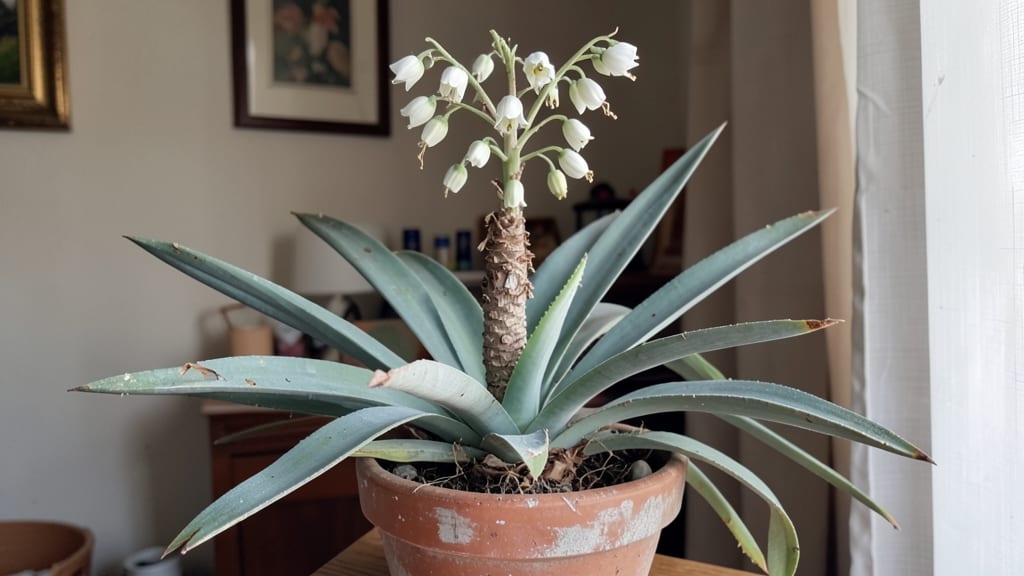
Triggering a yucca tree flower 🌵 is like unlocking a hidden treasure—most plants spend years building up strength before their first dramatic spike of blooms appears.
Your yucca might look stunning with its architectural foliage, but those rare flower spikes are the true showstopper—if you know how to coax them out. The secret lies in mimicking nature’s timing, from winter chilling to precise watering, and avoiding common mistakes that keep plants blooming-free.
In USDA Zone 6a, where spring arrives in April, the key is patience paired with the right conditions. Too much water or too little sun, and your yucca will stay stubbornly leafy.
But get it right, and you’ll see those towering white or pale yellow blossoms reaching for the sky by late spring.
Below, I’ll walk you through the exact steps to encourage flowering—whether your yucca lives in a pot or planted in the ground—so you can enjoy its dramatic display year after year.
Yucca tree flowering cycle: natural triggers and ideal conditions
Yucca trees are famous for their striking foliage, but their rare flower spikes are the real crown jewels. These architectural plants typically bloom every 2-5 years, but with the right conditions, you can encourage more frequent displays.
Understanding their natural flowering cycle is key to unlocking those stunning panicle-shaped blooms.
The yucca tree's flowering process begins with a period of dormancy that mimics its native desert environment. This dormancy period is crucial because it signals the plant to shift from foliage growth to flower bud development. Without proper dormancy, your yucca may produce leaves but skip the blooms entirely.
During dormancy, temperatures should drop to between 40-50°F (4-10°C) for about 6-8 weeks. This cold period tricks the plant into thinking winter has arrived, prompting it to prepare for spring blooming. In warmer climates, you may need to simulate this chilling period artificially.
Once dormancy is complete, your yucca will need bright sunlight exposure—at least 6-8 hours daily—to trigger the flowering process. The combination of winter chilling followed by spring warmth is what sets the stage for those dramatic flower spikes to emerge.
Here’s a quick reference for the ideal conditions:
| Stage | Condition | Specification | Timing |
|---|---|---|---|
| Dormancy | Temperature | 40-50°F (4-10°C) | 6-8 weeks |
| Dormancy | Watering | Minimal (let soil dry) | Fall/Winter |
| Active Growth | Sunlight | 6-8 hours daily | Spring/Summer |
| Active Growth | Watering | Deep soak every 2-3 weeks | Spring-Fall |
| Flowering | Temperature | 60-80°F (15-27°C) | Late Spring |
| Flowering | Fertilizer | Low-nitrogen (5-10-10) | Early Spring |
After the chilling period, your yucca will need consistent moisture but avoid soggy soil, which can rot the roots. Water deeply every 2-3 weeks during the growing season, allowing the top 2-3 inches of soil to dry out between waterings.
This balance ensures the plant has enough energy to produce those showy blooms.
Yucca trees also respond well to light pruning after flowering. Once the flower spike dies back, you can trim it at the base to encourage new growth. However, avoid heavy pruning, as this can stress the plant and reduce future blooming potential.
In USDA Zones 7-10, yucca trees can thrive outdoors year-round, but those in cooler climates may need to be brought indoors during winter. If you live in a colder region, place your potted yucca in a garage or unheated shed for its dormancy period to mimic natural conditions.
Finally, remember that yucca trees are drought-tolerant once established, but they still need well-draining soil to prevent root rot. Amend heavy soils with sand or gravel to improve drainage, and avoid fertilizing during dormancy, as this can encourage unwanted foliage growth at the expense of flowers.
Step-by-step guide: how to force yucca tree flowers indoors or outdoors
Forcing yucca tree flowers requires patience and precision, but the reward—a dramatic 6-foot-tall flower spike—is worth it. Unlike many plants, yuccas need specific stress conditions to bloom, whether you're growing them indoors in pots or outdoors in the garden.
The key lies in mimicking their natural dormancy cycle and creating controlled stress.
Yuccas thrive in USDA Zone 6a and beyond, but even in warmer climates, they need a winter chill period to trigger blooms. If your plant hasn’t flowered in years, it’s likely missing one of these critical steps: proper pruning techniques, root restriction, or temperature fluctuations.
Let’s break it down into actionable steps to coax those stunning yucca flowers out.
-
Step 1: Prune in Late Summer
Trim dead or damaged leaves with sterile pruners to encourage new growth. Avoid cutting into healthy tissue—yuccas heal slowly. -
Step 2: Reduce Watering in Fall
Cut back to monthly watering once temperatures drop below 60°F (15°C). Let the soil dry completely between waterings to simulate drought. -
Step 3: Apply Root Restriction
For potted yuccas, repot into a container 2-3 inches smaller than the current one. Root-bound plants bloom more readily due to stress. -
Step 4: Chill for 6-8 Weeks
Move outdoors to 40-50°F (4-10°C) or place near a cool window (below 55°F (13°C)). Avoid frost—yuccas are hardy but not frost-tolerant. -
Step 5: Gradual Warmth Return
After 6-8 weeks, reintroduce warmth slowly. Place in bright, indirect light and resume bi-weekly watering in spring. -
Step 6: Fertilize Lightly in Spring
Use a low-nitrogen fertilizer (5-10-10) to support bloom development. Apply 1 tbsp per plant every 6 weeks during active growth. -
Step 7: Monitor for Flower Spikes
Look for a central stalk emerging in late spring. Keep the plant in full sun (6+ hours) to encourage robust blooms.
Once your yucca tree flowers appear, resist the urge to prune them immediately. Let the flower spike mature completely—it can take 4-6 weeks for blooms to fully open.
After flowering, you can remove the spent stalk at the base with clean pruners to redirect energy into foliage growth for next year.
For indoor yuccas, ensure they receive bright light near a south-facing window or under grow lights (12+ hours daily). Outdoor yuccas should be planted in well-draining soil with minimal organic matter—yuccas hate soggy roots. Mulch lightly around the base to retain moisture without suffocating the plant.
With these steps, your yucca tree will reward you with vibrant, fragrant blooms year after year. The secret? A little stress goes a long way—just don’t overdo it! 🌷