
Shrubs
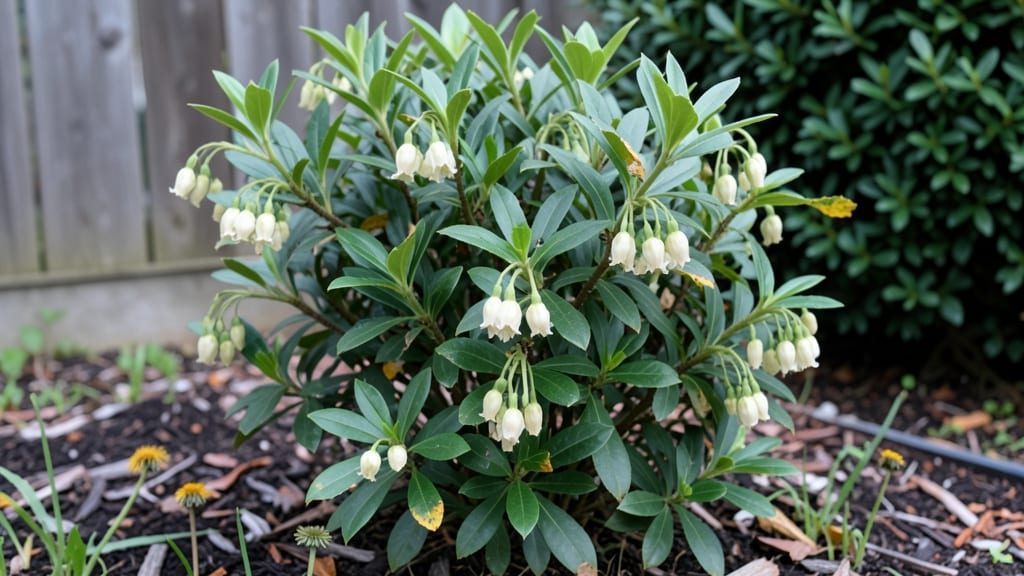
An evergreen flowering hedge brings year-round color and structure to your landscape, blending foliage and blooms into one stunning package 🌿.
Imagine a lush, vibrant hedge that stays green and blooms year-round—no dead winter branches, no colorless summers. These hedges are the secret weapon for gardeners who crave beauty without the seasonal sacrifice.
Whether you're designing a privacy screen, a striking border, or a bold focal point, these plants offer versatility and low-maintenance appeal that fits any garden style.
Below, I’ll share the top plant picks, creative landscaping ideas, and simple care tips to keep your hedge thriving—and looking its best—for decades.
Top 5 evergreen flowering hedges for year-round beauty and climate resistance
If you're dreaming of a garden border that stays lush and colorful in every season, evergreen flowering hedges are your perfect match. These plants combine year-round greenery with seasonal blooms, creating a stunning visual impact with minimal effort.
Unlike deciduous hedges that lose leaves in winter, these varieties thrive in USDA zones 6-10, offering climate resistance and low-maintenance beauty. Whether you need a privacy screen, accent border, or focal point, these top 5 options deliver reliability and charm.
Choosing the right evergreen flowering hedge depends on your climate, sunlight conditions, and design goals. Some varieties prefer full sun, while others thrive in partial shade. Others handle drought better than others, making them ideal for water-wise gardens.
Below, I’ve compared the best performers based on bloom seasons, hardiness, and maintenance needs so you can pick the perfect fit for your landscape.
🌿
Let’s dive into why each of these evergreen flowering hedges stands out. Camellias are the dramatic winter bloomers, offering roselike flowers in shades of pink, red, and white. They thrive in humid climates and partial shade, making them ideal for Southern gardens.
Their glossy foliage stays vibrant even in winter, adding textural contrast to your landscape.
For coastal or tropical climates, Gardenias are a fragrant superstar. Their creamy white blooms and intoxicating scent make them a showstopper in summer gardens. While they prefer warmer zones (9-11), their low-maintenance needs and drought tolerance once established make them a worthwhile investment.
Pair them with acidic soil and morning sun for best results.
If you’re after a hardy, versatile option, Abelia is a top performer. This drought-resistant beauty blooms in summer and fall, producing
How to plant and maintain evergreen flowering hedges for maximum blooms
Evergreen flowering hedges bring year-round color and structure to your landscape, but their success depends on proper planting and ongoing care. These hedges thrive when given the right soil conditions, spacing, and pruning schedule.
Unlike deciduous hedges, they won't sacrifice foliage for blooms, but they do need specific attention to keep flowering abundant. Let's dive into the essential steps to ensure your hedge stays lush and vibrant.
Before you plant, choose a location with well-draining soil and 6-8 hours of sunlight daily. Most evergreen flowering hedges prefer slightly acidic soil with a pH between 5.0 and 6.5.
If your soil is heavy clay or alkaline, amend it with peat moss or compost to improve drainage and acidity. A soil test is a smart first step—it reveals exactly what your hedge needs to thrive from day one.
⚠️ callout warning
Planting evergreen flowering hedges too closely stifles growth and reduces airflow, leading to fungal diseases and sparse blooms. Space dwarf varieties 3-4 feet apart, semi-dwarf 4-5 feet, and standard types 5-6 feet. Overcrowding also forces plants to compete for nutrients, weakening their ability to produce flowers. Measure twice before digging!
When planting, dig holes twice as wide as the root ball but no deeper. Gently remove the plant from its container, loosen the roots if they're circling, and place it in the hole so the top of the root ball sits 1 inch above ground level.
This prevents root rot while allowing room for settling. Backfill with native soil mixed with compost or aged manure to give your hedge a nutrient boost right away.
Pruning is key to maintaining dense foliage and abundant blooms. For most evergreen flowering hedges, prune immediately after flowering to shape the hedge and encourage next year's blooms. Use sharp, clean bypass pruners to make cuts at a 45-degree angle just above a leaf node.
Avoid cutting into old wood—this can reduce flowering. Lightly trim new growth in late summer to promote bushier growth before winter.
Seasonal care keeps your hedge thriving year-round. In spring, apply a balanced fertilizer (like 10-10-10) to support new growth, and mulch around the base to retain moisture. During summer, water deeply once a week, especially if temperatures exceed 85°F.
In fall, reduce watering and fertilize lightly to prepare for dormancy. Winter care is minimal—just protect young hedges from harsh winds with a burlap wrap if needed.
Watch for signs of stress like yellowing leaves or bud drop, which often signal overwatering or nutrient deficiencies. Adjust care immediately—reduce watering if soil is soggy or add iron supplements if leaves turn yellow.
With consistent attention, your evergreen flowering hedge will reward you with vibrant blooms and lush foliage for decades. The secret? Treat it like the star of your garden—it deserves the best care!