
Shrubs
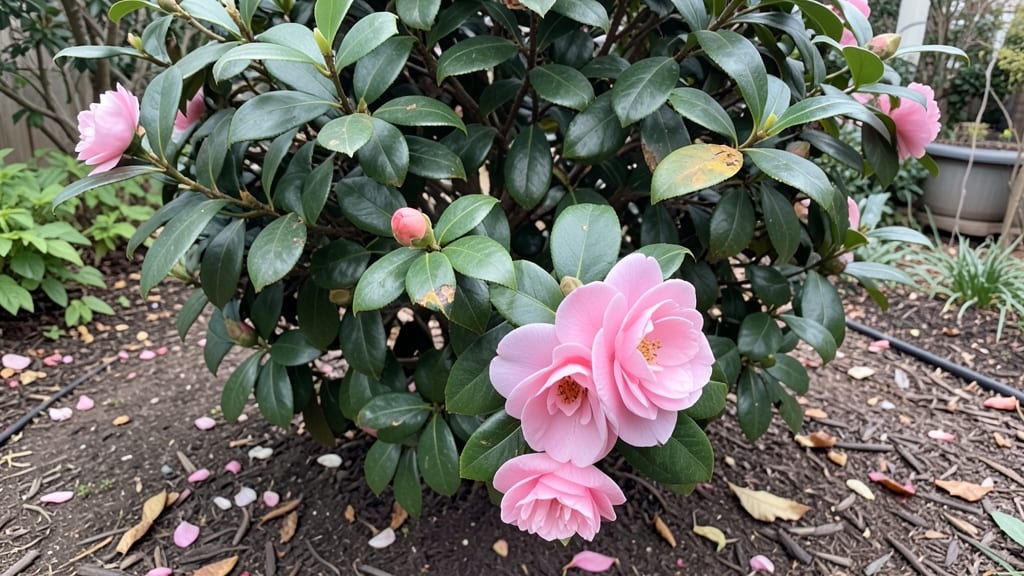
Fall flowering camellias 🌸 bring bold color to gardens when most plants have called it quits for the year, thriving even in 6a-10a zones where frost lingers.
Cold climates don’t have to mean dull fall gardens—these shrubs burst into vibrant blooms when most plants have faded, offering a stunning late-season show that defies winter’s chill.
What makes them so special? Unlike spring-blooming varieties, fall flowering camellias love cooler temperatures, so they reward you with months of eye-catching flowers from September through November.
Below, I’ll share the exact planting schedule, soil secrets, and care tricks to keep your camellias blooming year after year—no green thumb required.
How to identify and choose the best fall flowering Camellia varieties for cold climates
Selecting the right fall flowering camellia for your cold climate garden starts with understanding hardiness zones 5-8. Not all camellias thrive in chilly weather, but Camellia sasanqua and Camellia reticulata stand out for their cold tolerance and stunning late-season blooms.
These varieties keep your garden vibrant when most plants have faded, offering pink, red, or white flowers that last from fall into winter.
When choosing varieties, prioritize disease-resistant cultivars like 'Yuletide' or 'Kiri Shigemi', which handle humidity and fungal risks better than others. Look for plants labeled as USDA Zone 6-8 hardy—this ensures they’ll survive your region’s winters with proper care.
Always check the mature size too; dwarf varieties like 'Bonanza' work well for small gardens, while larger shrubs like 'Crimson King' make bold statements.
Bloom time is another critical factor. Camellia sasanqua typically flowers from October to December, while Camellia reticulata blooms slightly later, often into January or February. If you want a prolonged display, mix both types in your garden. For example, pair 'Showa-no-Sato' (white blooms) with 'Nuccio's Gem' (red blooms) to create a colorful autumn spectacle.
| Variety | Hardiness Zone | Bloom Color | Bloom Time | Mature Height | Disease Resistance |
|---|---|---|---|---|---|
| Camellia sasanqua 'Yuletide' | 6-9 | White | October-December | 6-10 ft | High |
| Camellia sasanqua 'Kiri Shigemi' | 7-9 | Pink | November-January | 8-12 ft | Moderate |
| Camellia reticulata 'Nuccio's Gem' | 7-10 | Red | December-February | 10-15 ft | High |
| Camellia sasanqua 'Bonanza' | 6-9 | Pink/White | October-December | 4-6 ft | Very High |
| Camellia reticulata 'Crimson King' | 7-10 | Dark Red | January-March | 12-15 ft | Moderate |
For small gardens, dwarf varieties like 'Bonanza' or 'Showa-no-Sato' are ideal—they stay compact while still delivering abundant blooms. If you’re in Zone 6 or colder, opt for Camellia sasanqua hybrids, as they handle frost better than Camellia reticulata.
Always inspect plants for pests or diseases before purchasing; healthy foliage and buds are key indicators of a vigorous specimen.
Consider the foliage color too—some varieties like 'Showa-no-Sato' have deep green leaves, while others like 'Nuccio's Gem' develop bronze or reddish hues in fall, adding extra seasonal interest. If you want year-round interest, choose a variety with evergreen leaves that stay attractive even when not in bloom.
For example, 'Kiri Shigemi' offers glossy foliage that contrasts beautifully with its pink flowers.
When shopping, visit nurseries specializing in camellias or check online reviews for cultivar performance in your climate. Look for plants with firm stems and buds that feel plump—these signs indicate healthy root systems and better establishment success.
Avoid plants with yellowing leaves or drooping buds, as these may struggle to recover after transplanting. Pro tip: Buy bare-root camellias in late fall or early spring for better survival rates in cold climates.
Don’t over
Step-by-step planting and care guide for fall-blooming camellias in chilly regions
Fall-blooming camellias thrive in chilly climates when given the right care, transforming your garden into a late-season spectacle. Unlike spring-blooming varieties, these beauties flower in September and October, when most gardens are winding down.
The key to their success lies in timing, soil prep, and seasonal adjustments—especially in USDA Zones 6-8.
I’ve planted Camellia sasanqua and C. reticulata in my own Zone 7 garden, and the secret to their vibrant fall blooms isn’t just luck—it’s methodical care. From choosing the perfect planting window to protecting them from early frosts, every step matters.
Let’s break it down so your camellias shine as brightly as mine do every autumn.
Planting Your Fall-Blooming Camellia
- 1 Choose the right time: Plant in early fall (September-October) or early spring (March-April). Fall planting gives roots time to establish before winter, while spring planting avoids dormant-season stress.
- 2 Prep acidic, well-draining soil: Test your soil—camellias need a pH of 5.0-6.0. Amend with peat moss or sulfur if needed. Avoid heavy clay, which causes root rot.
- 3 Select the perfect spot: Place in partial shade (morning sun, afternoon shade). South-facing windows or east-facing gardens work best to prevent leaf scorch.
- 4 Dig a hole twice as wide: Loosen roots gently and place the plant so the root flare sits 1-2 inches above soil level. Backfill with native soil mixed with compost for nutrients.
- 5 Water deeply after planting: Soak the soil with 1-2 gallons of water to eliminate air pockets. Mulch with 3 inches of pine bark to retain moisture and regulate temperature.
Once planted, your fall camellia needs consistent watering but isn’t drought-tolerant like some shrubs. Water deeply once a week during dry spells, focusing on the root zone. In established plants, reduce watering in late fall to prep for dormancy, but never let the soil dry out completely.
Pruning is another critical step for encouraging vibrant fall blooms. After flowers fade in late fall or early winter, trim dead or crossing branches to improve airflow.
Avoid heavy pruning in spring, as it can reduce flowering. Instead, shape lightly in late winter or early spring before new growth begins.
When winter arrives, protect young plants or those in Zone 6 or colder with a thick layer of mulch (4-6 inches) and a burlap windbreak if winds are harsh.
Older plants handle cold well, but evergreen foliage can scorch in bright winter sun. A light shade cloth over sensitive varieties can help preserve their beauty.
With these steps, your fall-blooming camellia will reward you with season-after-season color, proving that cold climates can be just as stunning as warm ones. Happy planting! 🌸