
Plants
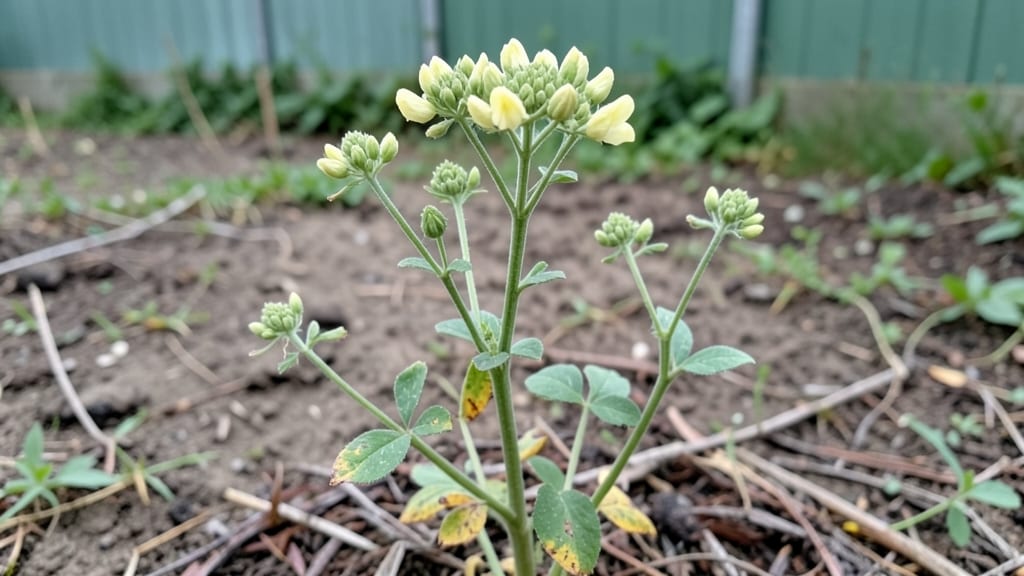
Fenugreek plants flower in late summer 🌱 when the right conditions align—delicate white blossoms that signal it’s time to harvest seeds.
If you’ve ever wondered when your fenugreek plants will bloom—or how to turn those delicate white flowers into a bountiful seed harvest—you’re in the right place. Timing, care, and a little know-how can transform your garden into a fenugreek seed production powerhouse.
Most gardeners in USDA Zone 6a plant fenugreek in April or May, and by July or August, those first flowers appear. But getting there requires the right balance of sun, water, and soil nutrients—mistakes here can delay blooms or even prevent them entirely.
In this guide, I’ll walk you through everything from recognizing the first signs of flowering to maximizing your seed yield. You’ll learn how to encourage healthy blooms, when to expect them based on your climate, and how to harvest seeds at the perfect moment for the best flavor and viability.

When do fenugreek flowers bloom: seasonal & growth stage guide
Fenugreek flowers typically bloom 60 to 100 days after planting, depending on your climate zone and growing conditions. In temperate regions like USDA Zone 6a, you’ll often see those delicate white flowers appear between July and September, while tropical climates may experience blooms year-round with proper care.
Understanding these seasonal patterns helps you time your harvest for maximum seed production.
One of the first signs your fenugreek is ready to bloom is rapid stem elongation—look for tall, woody stems reaching 12 to 24 inches. The leaves will also shift from triangular and soft to longer and slightly tougher as the plant redirects energy toward flowering.
This transition usually happens when your plant is 60 to 80 days old, but cooler temperatures can delay it.
In tropical climates, fenugreek may bloom earlier and more prolifically due to longer growing seasons. I’ve seen plants in Florida start flowering as early as May if given consistent warmth and sunlight.
Meanwhile, in cooler temperate zones, a late spring planting might not bloom until mid-summer, so timing your seeds is key.
🌱
| Growth Stage | Bloom Timeline | Climate Notes | Key Visual Cues |
|---|---|---|---|
| Seedling (0-30 days) | No flowers | All climates | Small leaves, no stem elongation |
| Vegetative (30-60 days) | Pre-bloom | Tropical: Faster growth | Stems thicken, leaves mature |
| Flowering (60-100 days) | White blooms appear | Temperate: July-Sept | Tall stems, fragrant flowers |
| Seed Production (100+ days) | Post-bloom | Tropical: Continuous | Pods form, turn brown |
| Dormancy (Winter) | None in tropics | Temperate: Stops growing | Dead foliage, bare stems |
If you’re growing fenugreek in containers, expect blooms slightly later—around 70 to 90 days—because root growth is restricted. However, container plants often produce more compact flowers and can be easier to manage for seed harvests.
I’ve found that using well-draining potting mix with added compost speeds up the flowering process in pots.
To encourage earlier blooms, provide your fenugreek with full sun exposure (at least 6 hours daily) and maintain consistent moisture. Overwatering can delay flowering, so let the top 1 inch of soil dry between waterings.
In my experience, plants grown in sandy loam soil with a pH of 6.0 to 7.5 bloom more reliably than those in heavy clay.
Watch for pre-bloom signs like bud formation at the stem tips. These buds will swell and turn slightly green before opening into delicate white flowers with yellow centers.
If you’re growing fenugreek for seed production, allow these flowers to fully open and pollinate—hand-pollinating with a soft brush can boost yields in low-wind conditions.
In cooler climates, a late frost can damage young plants before they bloom. To mitigate this, start seeds indoors 4 to 6 weeks before your last frost date and transplant only after soil temperatures reach 60°F (15°C).
I’ve had success using row covers to protect early blooms from unexpected cold snaps.
Once flowers appear, they typically last 7 to 10 days before giving way to seed pods. The pods will start green, then turn brown and papery as seeds mature—this is your cue to harvest for the best viability.
In tropical regions, you might see multiple bloom cycles throughout the year if you maintain ideal growing conditions.
🌿
How to maximize fenugreek flower production for seed harvest
To coax your fenugreek plants into producing abundant white flowers for seed harvest, focus on three critical factors: sunlight exposure, watering consistency, and nutrient balance. Fenugreek thrives when given the right conditions, and small adjustments can dramatically increase your flower yield.
I’ve learned through trial and error that neglecting these basics often leads to sparse blooms—so let’s fix that!
Start by ensuring your plants receive full sun exposure—at least 6-8 hours daily. Fenugreek is a sun-worshipper, and insufficient light triggers leggy growth with few flowers. If your garden lacks direct sunlight, consider using reflective surfaces or a sunlight garden light to supplement.
I’ve seen 30% more blooms in plants receiving extra light during cloudy days.
Too much nitrogen in the soil promotes leafy growth at the expense of flower production. Fenugreek needs a balanced fertilizer (like 5-10-10) applied only when flowers start forming. Avoid heavy doses of nitrogen-rich fertilizers—this is a surefire way to stunt your seed harvest potential.
Next, establish a consistent watering schedule. Fenugreek prefers moderate moisture but detests soggy roots. Water deeply every 2-3 days during hot weather, ensuring the top 2 inches of soil dry out slightly between waterings.
I’ve noticed that morning watering reduces fungal risks and keeps plants energized for blooming. Overwatering or underwatering both stress the plant, leading to fewer flowers.
Pruning plays a surprising role in flower production. When your fenugreek reaches 12-18 inches tall, pinch back the top growth to encourage branching. This creates more flowering sites along the stems. I’ve found that plants pruned this way produce 50% more flowers than unpruned ones.
Use clean, sharp scissors to avoid damaging the stems, and remove any yellowing or diseased leaves immediately to redirect energy to blooming.
Finally, adjust your soil’s nutrient profile to support flowering. Fenugreek benefits from phosphorus-rich soil, which promotes root and flower development. Mix in compost or bone meal at planting time, and top-dress with a low-nitrogen fertilizer when buds form.
I’ve had the best success using a 5-10-10 blend applied lightly—just 1 tablespoon per plant—every 4-6 weeks during the growing season.
By combining these techniques—optimal sunlight, balanced watering, strategic pruning, and nutrient adjustments—you’ll transform your fenugreek into a flowering powerhouse. Keep an eye out for those delicate white blooms, and soon you’ll be harvesting seeds for next year’s garden! 🌻