
Landscaping
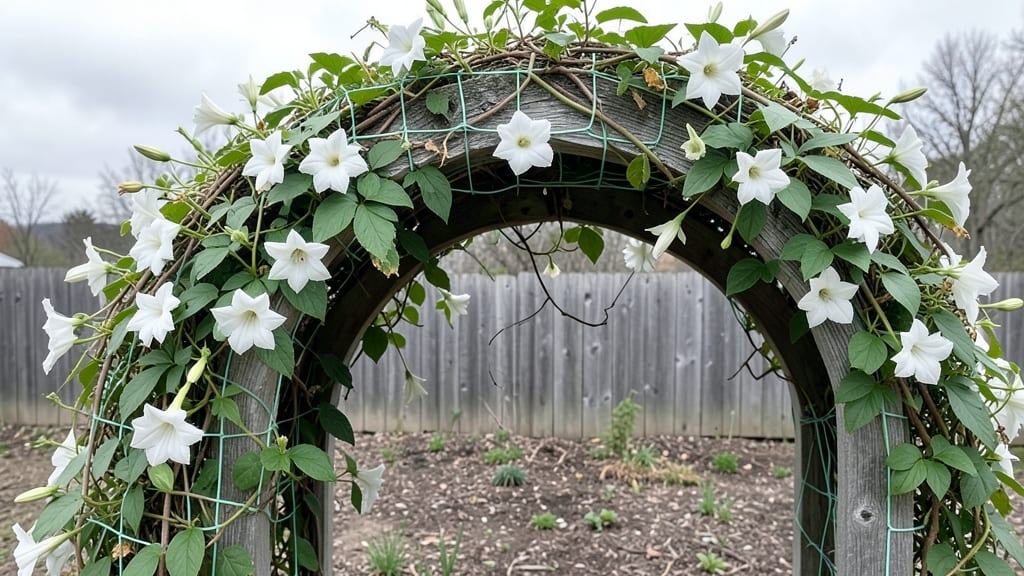
A flower archway garden 🌸 transforms any outdoor space into a fragrant, Instagram-worthy gateway—think climbing roses, clematis, or jasmine draping over a rustic frame.
Picture this: your guests step through a tunnel of blooms, bees buzzing happily, and the scent of blooms lingering in the air. The best part? You don’t need a green thumb—just a sturdy frame and the right vines to turn your vision into reality.
Whether you’re framing a patio entrance or adding charm to a balcony, the key is choosing fast-growing climbers that thrive in USDA Zone 6a and beyond. Plant in March or April for a summer-long show, and by May, you’ll have a living masterpiece.
Below, I’ll walk you through the top vine picks, DIY frame ideas, and maintenance secrets to keep your archway blooming until October—no dead zones allowed.
Best climbing vines for flower archway gardens (fast-growing & fragrant)
A flower archway garden thrives when you choose the right climbing vines—ones that grow quickly, bloom abundantly, and fill your space with fragrant beauty. The best options combine fast growth (to cover frames in a single season) with season-long interest, whether through flowers, foliage, or scent.
For me, the top performers are clematis, climbing roses, wisteria, and jasmine, each offering unique strengths for your archway design.
When selecting vines, prioritize growth speed—some varieties can climb 10+ feet in a single season—and fragrance intensity, which transforms your archway into a sensory experience. Pairing spring bloomers (like wisteria) with summer-fall performers (like clematis) ensures your archway stays vibrant year-round.
Let’s dive into the best options and how to combine them for maximum impact.
Clematis is my go-to for year-round interest because it blooms from early spring to frost and thrives in partial shade, making it perfect for north-facing archways. The 'Jackmanii' variety, with its purple-blue flowers, grows 10-12 feet per year and pairs beautifully with climbing roses for a romantic, layered look. To keep it blooming, I deadhead spent flowers and fertilize with a balanced 10-10-10 mix every 4-6 weeks during growing season.
For a fragrant explosion, nothing beats wisteria, especially the 'Amethyst Falls' cultivar. Its lavender-blue blooms appear in late spring, filling the air with
DIY flower archway frame ideas: materials, designs & step-by-step setup
A flower archway garden starts with a sturdy, functional frame that supports your climbing vines while blending seamlessly into your landscape. The right materials—whether rustic cedar, galvanized metal pipes, or recycled PVC—determine durability, cost, and aesthetic appeal.
For small balconies, a mini arch (3-4 ft wide) works perfectly, while large entryways can accommodate grand arches (8-10 ft wide) with intricate lattice designs.
Your frame should prioritize weight-bearing strength, weather resistance, and vine-friendly spacing (12-18 inches between supports). Below, I’ve broken down four budget-friendly materials, their pros and cons, and step-by-step assembly tips tailored to your garden’s scale.
Whether you’re a DIY beginner or a seasoned builder, these designs ensure your archway thrives for years.
🌿 Material Showdown: Best Frame Options
- 🪵 Cedar Wood: Naturally rot-resistant, lightweight, and easy to stain/paint. Ideal for rustic or cottage-style gardens. Cost: $15–$30 per 8-ft board.
- 🔧 Galvanized Metal Pipes: Heavy-duty, rust-proof, and modern. Perfect for contemporary gardens or high-traffic areas. Cost: $20–$40 per 10-ft pipe.
- 💧 PVC Pipes: Affordable, lightweight, and easy to cut/assemble. Best for small arches or temporary setups. Cost: $10–$25 per 10-ft pipe.
- ♻️ Recycled Materials (e.g., pallets, bricks): Eco-friendly and budget-friendly. Great for boho or farmhouse styles. Cost: $5–$20 (salvaged).
For a small balcony arch (3-4 ft wide), I recommend PVC or cedar due to their lightweight nature and ease of assembly. Start by cutting two 4-ft vertical supports and two 3-ft horizontal beams (for the top curve).
Use L-brackets or screws to secure joints, then add horizontal lattice strips (spaced 12 inches apart) for vine support. For a large entryway arch (8-10 ft), opt for galvanized metal pipes or thick cedar beams to handle the weight of mature vines like clematis or wisteria.
Pro tip: Pre-drill holes in your frame materials to prevent splitting, especially with wood. If using metal, galvanize or paint the frame to prevent rust. For a curved arch, bend PVC pipes by soaking them in hot water for 10 minutes or use flexible metal rods designed for arches.
Always include drainage holes at the base to avoid water pooling and rot.
Once your frame is assembled, plant your climbing vines at the base, securing them to the lattice with soft plant ties. Water deeply after planting, and mulch the base to retain moisture.
For a year-round display, layer spring bloomers (e.g., clematis) with summer/fall varieties (e.g., passionflower or morning glories). Within 3–6 months, your archway will transform into a fragrant, pollinator-friendly paradise!
Need inspiration? Pair your archway with solar-powered string lights or hanging baskets of trailing flowers like petunias to amplify the magic. Remember, the key to a long-lasting archway is regular pruning (trim dead blooms in summer) and seasonal maintenance (clean debris in fall). Your garden’s new centerpiece will thank you!