
Flowers
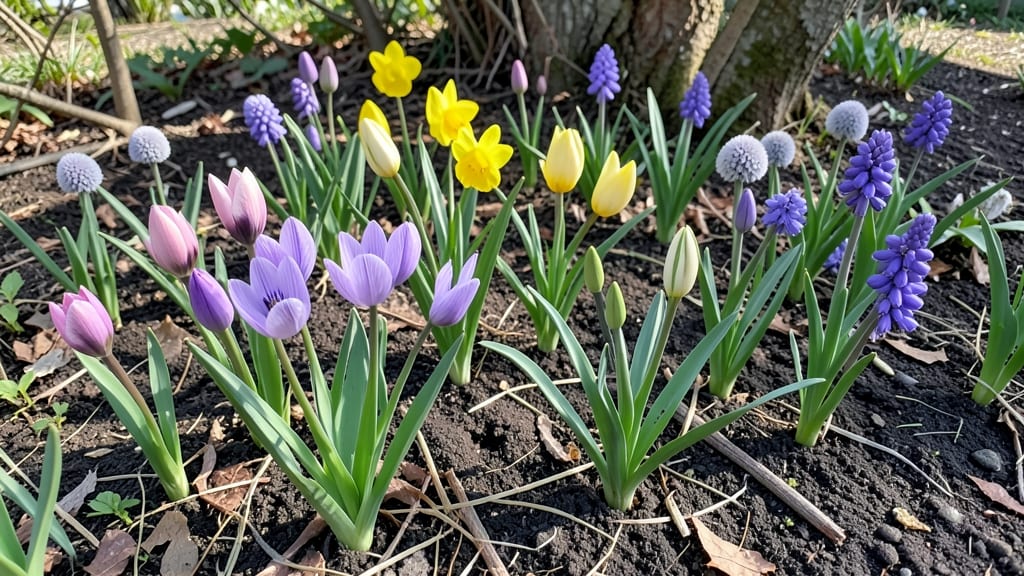
A vibrant flower bulb garden can turn even a modest yard into a year-round showcase of color and texture, with the right timing and variety.
Picture this: your garden waking up in early spring with cheerful daffodils, then bursting into summer with bold alliums, and finally winding down with the golden hues of fall crocuses—all from the same patch of soil.
That’s the magic of a well-planned bulb garden, where layers of blooms create a living calendar of color.
Many gardeners overlook bulbs because they assume they’re high-maintenance, but the truth is, they’re one of the easiest ways to add drama to your space. With just a few hours of prep work in the fall or spring, you can set the stage for months of effortless beauty.
In this guide, I’ll walk you through the best bulbs for each season, how to layer them for continuous blooms, and the simple steps to plant them so they multiply year after year—no green thumb required.
Best flower bulbs for year-round color by seasonal bloom times
A flower bulb garden thrives on diversity—each bulb variety brings its own burst of color and personality. By selecting bulbs that bloom in spring, summer, fall, and winter, you can create a garden that stays vibrant all year long.
The key is understanding seasonal bloom times and matching them to your USDA zone and sunlight conditions.
I’ve curated a collection of top-performing bulbs that ensure continuous blooms. From early winter crocuses peeking through snow to late-summer alliums adding drama, each bulb has its own timing and care needs.
Let’s dive into the best choices for every season, including planting depth and sunlight requirements to set you up for success.
| Season | Bulb Variety | Bloom Time | Sunlight Needs | Planting Depth | Notes |
|---|---|---|---|---|---|
| Winter | Crocus | January-March | Full Sun to Partial Shade | 2-3 inches | First blooms of year; drought-tolerant |
| Spring | Tulips | March-May | Full Sun | 6-8 inches | Classic spring blooms; plant early fall |
| Spring | Daffodils | March-May | Full Sun to Partial Shade | 6-8 inches | Deer-resistant; long-lasting blooms |
| Summer | Alliums | June-July | Full Sun | 6-8 inches | Dramatic globe-shaped flowers; great for cut blooms |
| Summer | Dahlias | July-September | Full Sun | 4-6 inches | Tubers, not true bulbs; plant after last frost |
| Fall | Crinum Lilies | September-November | Full Sun to Partial Shade | 6-8 inches | Fragrant blooms; thrives in heat |
| Fall/Winter | Snowdrops | November-February | Partial Shade | 2-3 inches | One of first blooms; shade-loving |
For winter blooms, crocuses and snowdrops are my top picks—they brave the cold and bring early color. Plant them in fall (September-October) in well-draining soil with partial shade to protect them from harsh winds.
Their shallow planting depth (2-3 inches) ensures they peek through snow for that magical early-spring feeling.
Spring is all about tulips and daffodils, two classic bulbs that deliver bold colors and long-lasting blooms.
Tulips thrive in full sun and need a deeper planting depth (6-8 inches) to prevent toppling in wind or rain. Daffodils, on the other hand, are more deer-resistant and handle partial shade better, making them versatile for various garden spots.
Summer bulbs like alliums and dahlias add height and drama to your garden. Alliums are low-maintenance and love full sun, while dahlias (technically tubers) reward you with showy blooms if planted after your last frost date.
Both need well-draining soil to prevent rot, so amend clay soil with compost before planting.
Don’t overlook fall-blooming bulbs like crinum lilies, which thrive in heat and humidity and perfume your garden with their fragrant blooms. These bulbs are perfect for USDA zones 7-10 and add a tropical touch to late-season gardens. Plant them in well-draining soil with 6-8 inches of depth
Step-by-step flower bulb planting calendar for all climates
A flower bulb garden thrives on timing—planting at the right moment ensures vibrant blooms season after season. Whether you're in USDA Zone 3 or Zone 10, this month-by-month guide aligns with your climate for optimal bulb growth.
Start by testing your soil drainage—bulbs rot in soggy soil, so amend with compost if needed. Most bulbs need 6 weeks before frost to establish roots, so plan ahead!
Use this seasonal planting calendar to layer bulbs for continuous color. For example, plant crocuses in fall for early spring blooms, then add tulips and daffodils for mid-season pops.
In warmer zones, rain lilies and calla lilies thrive in late summer. Always plant bulbs pointy-end up—a classic rule that saves time and frustration!
📅 Month-by-Month Flower Bulb Planting Guide
- September-October (Zones 3-7): Plant fall-blooming bulbs like tulips and daffodils 6-8 weeks before first frost. Aim for 6-8 inches deep, spacing 4-6 inches apart. Add a 2-inch mulch layer to insulate roots.
- November-December (Zones 8-10): Plant cool-season bulbs like hyacinths and irises in late fall. Water deeply after planting to encourage root growth. In frost-free zones, summer-blooming bulbs (e.g., dahlias) can go in now.
- March-April (All Zones): Plant spring-blooming bulbs like crocuses and alliums as soon as soil is workable. Use a bulb planter for precision—avoid overcrowding. Fertilize with bone meal (5-10-10) to boost blooms.
- May-June (Zones 9-11): Plant tropical bulbs like canna lilies after last frost. Keep soil moist but not soggy—these bulbs love heat and humidity. Stake taller varieties (e.g., gladiolas) early to prevent flopping.
- Post-Planting Care: Water deeply once a week (adjust for rain). Stop watering when foliage yellows—this signals bulbs are storing energy for next year. Deadhead spent blooms to redirect energy to bulb replenishment.
Pro tip: Mark your flower bulb garden with stakes or a map to track varieties. I label mine with colored flags—purple for tulips, blue for hyacinths.
This makes maintenance easier and helps you plan future plantings. Over time, you’ll notice which bulbs naturalize best in your soil and climate.
Don’t forget to rotate bulb types yearly for long-term success. For example, pair early bloomers (like snowdrops) with late-season stars (like calla lilies) to extend your garden’s bloom timeline.
In USDA Zone 5, I’ve seen daffodils bloom as early as March and rain lilies last through September!
With this seasonal planting calendar, your flower bulb garden will burst with color from early spring to late fall. The key is patience—bulbs need time to establish roots before they reward you with show-stopping blooms. Happy planting! 🌷