
Flowers
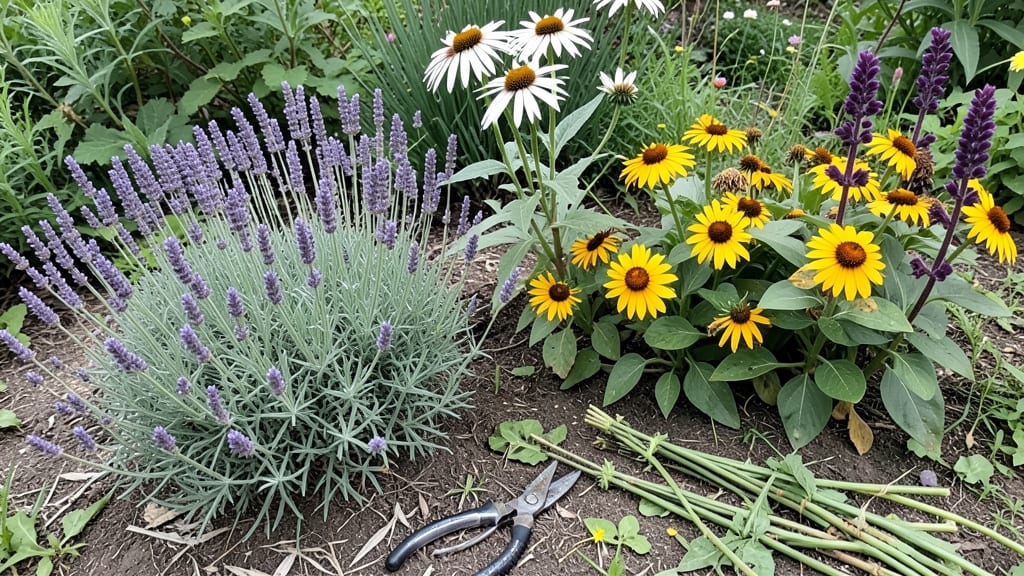
Year-round flower garden maintenance isn’t about constant work—it’s about small, strategic habits that keep your blooms looking effortlessly lush. 🌸 I’ve learned the hard way that skipping even one season’s prep leads to leggy stems and half the flowers by summer.
The key? A mix of seasonal check-ins, smart pruning, and soil that stays healthy without overworking it.
Start with the basics: weekly deadheading (snipping spent blooms) keeps energy flowing to new flowers, while monthly soil checks ensure roots get the air and nutrients they crave.
My garden’s biggest turnaround came when I swapped annual mulching for a 2-inch layer of compost—it cut watering by half and kept pests at bay. Even just 10 minutes a day in peak bloom season makes the difference between a garden that fades and one that thrives.
You’ll notice the payoff fast: longer vase life, more blooms per stem, and flowers that open bigger and brighter. The secret isn’t complicated—it’s consistent. Think of it like tending a favorite plant: a little attention keeps it vibrant, while neglect turns it into a sad shadow of its potential.
Let’s make this the year your garden doesn’t just survive, but steals the show.
Works for any size garden, from a 4-foot-wide border to a full backyard, and adapts to containers too. The same principles apply whether you’re growing annuals, perennials, or a mix—just tweak the timing. Ready to keep those blooms coming all season?
📚 In This Guide
- What you need
- Instructions
- Tips and common mistakes
- Wrapping up and next steps
What you need
- ● Hand Pruners: Sharp, bypass pruners (for clean cuts) – 1 pair.
- ● Garden Gloves: Durable, breathable gloves (e.g., leather or synthetic) – 1-2 pairs.
- ● Garden Shears: Heavy-duty shears for trimming overgrown plants – 1 pair.
- ● Watering Can or Hose: Adjustable nozzle for gentle watering – 1.
- ○ Garden Fork: For aerating soil (optional but helpful) – 1.
- ● Mulch: Organic (straw, wood chips) or inorganic (gravel) – 5-10 bags.
- ● Fertilizer: Slow-release granular or liquid (balanced NPK 10-10-10) – 1-2 bags.
- ● Pest Control: Neem oil, insecticidal soap, or organic sprays – 1-2 bottles.
- ○ Soil pH Tester: Digital or kit-based – 1 (optional but useful).
- ● Knee pads or stool for comfort during long sessions.
- ● Wheelbarrow for hauling debris or mulch.
- ● Plant stakes and twine for supporting tall flowers.
- ● Compost bin for recycling garden waste.
- ● Sun hat and sunscreen for sunny-day maintenance!
How to maintain a flower garden through every season
Here’s the seasonal rhythm I follow to keep blooms vibrant, pests at bay, and soil healthy—no guesswork involved.
🌿 Step 1: Spring Cleanup and Soil Preparation
Start by removing all dead foliage, spent blooms, and debris from winter. Use pruning shears to cut back perennial stems to 2-3 inches above the ground—this encourages fresh growth while preventing disease. I always inspect for over-wintering pests like slug eggs or fungal spores, scrubbing away any signs with a 10% vinegar solution (1 part vinegar to 9 parts water).
Next, aerate the soil with a garden fork, loosening it 6-8 inches deep to improve drainage and root penetration. This is especially critical if your soil feels compacted after winter rains. Spread a 1-inch layer of compost over the entire bed, then lightly rake it in. The goal is to feed the soil’s microbial life without smothering emerging shoots—think of it as a light blanket, not a burial mound.
Here’s the thing—if your soil looks tired or clay-heavy, mix in 1 gallon of perlite per 10 square feet to boost drainage. You’ll see roots grow deeper and flowers stand taller when the soil breathes right.
☀️ Step 2: Seasonal Watering and Mulching
Water deeply once a week in spring, aiming for 1-1½ inches of moisture per session. The key is consistency: let the top 2 inches of soil dry between waterings, then soak thoroughly. I use a rain gauge or tuna can buried in the bed to track amounts—overwatering in spring leads to root rot, while underwatering stresses new growth.
After watering, apply a 3-inch layer of mulch (like shredded bark or straw) to retain moisture and suppress weeds. Keep mulch 2-3 inches away from plant stems to prevent rot. In hotter months, reapply mulch every 4-6 weeks—it breaks down fast and loses effectiveness. You’ll notice fewer weeds and less water evaporation after this step.
Real talk: if your garden has clay soil, water in the early morning to reduce evaporation. Sandy soil? Water twice a week in summer heat, but always check soil moisture before automating.
✂️ Step 3: Pruning for Health and Abundance
Deadhead spent blooms weekly to encourage continuous flowering. Pinch off faded flowers just above the next set of leaves or buds—this redirects the plant’s energy into new growth instead of seed production. For perennials like coneflowers or black-eyed Susans, I cut back one-third of the foliage after the first flush of blooms to maintain vigor.
Watch for yellowing leaves—this often signals overwatering or nutrient deficiency. If leaves curl or drop, trim affected areas immediately and adjust watering. For shrubs like hydrangeas, prune after flowering to shape them without sacrificing next year’s blooms. I always sterilize shears with rubbing alcohol between cuts to prevent bacterial spread.
Don’t skip this: if a stem shows signs of powdery mildew (white, dusty patches), prune it back to healthy tissue and treat the area with neem oil spray. Catching it early keeps the whole garden from getting infected.
🪴 Step 4: Fertilizing and Pest Prevention
Feed perennials with a balanced, slow-release fertilizer (10-10-10) in early spring, then switch to a low-nitrogen, high-phosphorus formula (5-10-10) when buds form. For annuals, use a liquid bloom booster every 4-6 weeks during the growing season. I mix fertilizer into the top 2 inches of soil and water it in thoroughly—this prevents root burn.
Prevent pests by introducing beneficial insects like ladybugs or lacewings. I also rotate companion plants—marigolds near roses deter aphids, while basil repels thrips. If pests strike, blast them off with a strong spray of water before reaching for chemicals. Most garden pests are just looking for a free meal; disrupt their access, and they’ll move on.
Here’s where it gets fun: set up yellow sticky traps in early summer to monitor for whiteflies or aphids. If you catch them early, a soapy water spray (1 tsp mild dish soap per quart of water) does the trick without harming pollinators.
⏰ Step 5: Fall and Winter Prep
In late fall, cut back annuals to the ground and compost them, but leave perennial stems until spring to protect overwintering insects and beneficial microbes. Divide overcrowded perennials like daylilies or hostas, replanting one-third of the clumps each year to keep them vigorous. I mark their locations with biodegradable plant tags to avoid disturbing them during winter cleanup.
Apply a 4-inch layer of straw mulch over perennials in cold climates to insulate roots. In milder areas, a 2-inch layer of leaves suffices. Avoid heavy mulch that could compact and suffocate roots over winter. You’ll see stronger regrowth in spring if you protect them now.
Finally, drain and store hoses, empty garden tools, and sharpen blades before winter. A quick wipe-down with a 10% bleach solution (1 part bleach to 9 parts water) keeps rust and mold at bay. Trust me—starting the next season with clean tools saves headaches later.
Tips & tricks for perfect flower garden maintenance
A few strategic adjustments can transform your seasonal garden care from routine to rewarding. These are the secrets I've learned after years of trial and error—because even the most beautiful gardens need a little insider knowledge to thrive.
Soil Testing is Non-Negotiable: Before you begin any season, grab a soil test kit from your local extension office. I've seen gardens fail spectacularly because the pH was off by just 0.5 points. Most flowering plants prefer a pH between 6.0 and 7.0—this is the sweet spot for nutrient availability. If your test shows clay-heavy soil, don't just add perlite as mentioned in Step 1. Mix in 1 part compost to 2 parts perlite for the first 6 inches to create proper drainage while maintaining organic matter. The difference in root health is night and day.
Watering Strategy for Different Soil Types: The one-size-fits-all approach to watering fails spectacularly in real gardens. For clay soil, I've found that watering in two sessions works better than one long soak—first in the morning for 30 minutes, then again in the evening for 20 minutes. This prevents water from pooling at the surface. Sandy soil, on the other hand, benefits from drip irrigation systems set to run for 20 minutes every morning. The key is maintaining that 1-1½ inch moisture without letting water run off or evaporate too quickly.
Pruning Precision Pays Off: When deadheading in Step 3, don't just cut at the base—always look for the next set of leaves or buds below the spent bloom. This is where new growth emerges. For woody perennials like roses, I use a 45-degree angle cut just above a bud eye, which helps water run off the stem instead of pooling. And here's something nobody tells you: if you're pruning hydrangeas for color, use clean, sharp shears and make your cuts just above a leaf node. The cleaner the cut, the faster the plant recovers and the more vibrant the blooms.
Fertilizer Timing Matters More Than You Think: The switch from 10-10-10 to 5-10-10 in Step 4 isn't just about numbers—it's about plant physiology. When buds begin to form, your plants are shifting energy from leaf production to flower development. That's why we reduce nitrogen (the first number) and increase phosphorus (the second number). I've seen gardeners overdo it with nitrogen-rich fertilizers right before blooming season, and their plants produce lush foliage but virtually no flowers. Timing is everything—apply that 5-10-10 when you see the first buds swelling, not when the plants are still putting on green growth.
Pro Tips for Flower Garden Maintenance
- A few strategic adjustments can transform your seasonal garden care from routine to rewarding.
- Soil Testing is Non-Negotiable: Before you begin any season, grab a soil test kit from your local extension office.
- Watering Strategy for Different Soil Types: The one-size-fits-all approach to watering fails spectacularly in real gardens.
Frequently asked questions
Got questions about keeping your flower garden lush and vibrant? You’re not alone! Here are some common concerns—plus easy answers to help you maintain your blooms with confidence.
How often should I water my flower garden?
Most flowers need 1 to 1.5 inches of water per week, including rainfall. Water deeply in the morning (before 10 AM) to reduce evaporation. Check soil moisture—if the top inch feels dry, it’s time to water. Overwatering can rot roots, while underwatering stresses plants. Pro tip: Use a rain gauge or sprinkler timer for consistency!
When is the best time to prune my flowers?
The ideal time depends on the plant! For perennials, prune in early spring (before new growth) or late fall (after blooming). Annuals should be trimmed after flowering to encourage bushier growth. Always use clean, sharp pruners at a 45-degree angle to avoid disease. Never prune more than one-third of the plant at once!
How do I deal with pests in my flower garden?
Pests like aphids or slugs can wreak havoc, but prevention is key! Start with neem oil sprays or insecticidal soap for mild infestations. For slugs, set out beer traps or diatomaceous earth. Encourage beneficial insects (like ladybugs) by planting marigolds or lavender. If pests persist, identify them first—some require organic pesticides. Quick fix: Spray water jets to dislodge soft-bodied pests!
Can I grow flowers in containers instead of a traditional garden?
Containers work great for flowers like petunias, geraniums, or impatiens. Choose pots with drainage holes and use well-draining soil. Rotate containers weekly for even sunlight, and water more frequently than in-ground plants. Opt for self-watering pots if you travel often. Bonus: Move pots indoors during frost to extend blooming seasons!
What should I do if my flowers aren’t blooming?
Non-blooming flowers often need a little TLC. Check for:
- Lack of sunlight—most flowers need 6+ hours of sun daily.
- Over-fertilizing—too much nitrogen promotes leaves, not flowers.
- Old age—annuals die after one season; replace them.
- Stress factors like drought or pests.
Wrapping up and next steps
Creating a stunning flower garden is a rewarding journey that brings beauty and joy to your outdoor space. By following a year-round maintenance routine—from seasonal pruning and soil care to pest management—you’ll ensure your blooms thrive with vibrant health.
Remember, consistency is key, and even small efforts make a big difference over time!
Ready to take the next step? Start small—pick one task from this guide, like mulching or deadheading, and build from there. Your garden will thank you with lush, colorful blooms that keep giving back year after year. Happy gardening! 🌸✨