
Pests
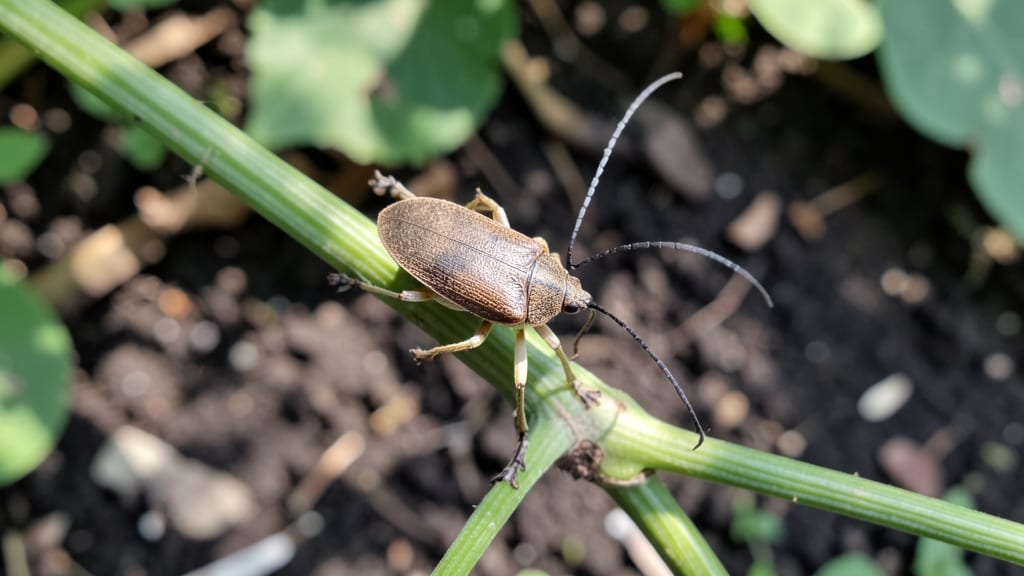
Longhorn beetles love flowering plants 🌸, turning your prized blooms into a feeding ground for these striking pests.
If your garden’s vibrant blooms are suddenly turning into a longhorn beetle buffet, you’re not alone—these striking insects can wreak havoc on flowers overnight. But before you panic, learn how to identify them and remove them safely without harming your plants or the ecosystem.
The key is acting fast when you spot the first signs: notched leaves, tiny holes in stems, or even the beetles themselves buzzing around your Flowering Plants (Host Plants for Longhorn Beetle) in Zone 6. These pests thrive in spring, so early detection is your best defense.
In this guide, I’ll walk you through how to spot them, what damage to watch for, and the easiest ways to keep your garden thriving—without harsh chemicals.
How to identify flower longhorn beetles in your garden
Flower longhorn beetles (Typocerus velutinus) are stunning but destructive insects that can turn your garden into a feeding ground overnight. With their long antennae and shiny black bodies, they’re often mistaken for harmless beetles like ladybugs or soldier beetles.
But their larval stage is where the real damage happens—chewing through stems and bark.
Identifying them early is key to protecting your roses, fruit trees, and ornamental shrubs. These beetles thrive in spring and summer, so keep an eye out during their peak activity.
Their larvae, often called roundheaded borers, can be even more destructive than the adults, hiding deep in wood and soil.
Here’s how to distinguish flower longhorn beetles from other garden insects:
Adults: Look for 1-inch-long beetles with long, thin antennae (often longer than their bodies) and a velvety black or dark brown exoskeleton. Their legs are stout and spiny, and they’re often seen crawling on flowering plants or tree bark during the day.
Larvae: These creamy white, legless grubs with a brown head burrow into wood, creating serrated exit holes when they emerge as adults. You might spot sawdust-like frass near the base of infested plants.
Damage signs: Watch for notched or chewed leaves, wilting branches, and D-shaped holes in bark. Young trees and shrubs are especially vulnerable, as larvae can kill them from the inside out.
| Feature | Flower Longhorn Beetle | Ladybug | Soldier Beetle |
|---|---|---|---|
| Body Shape | Elongated, 1 inch long | Round, small (0.25 inch) | Oval, soft-bodied |
| Antennae | Very long (longer than body) | Short (club-shaped) | Moderate length |
| Color | Black or dark brown, velvety | Red/orange with black spots | Red/yellow with black head |
| Legs | Spiny and stout | Short and smooth | Long and slender |
| Activity Time | Daytime, on flowers/bark | Daytime, flying or crawling | Dusk/dawn, hovering near lights |
| Larvae | Creamy white grubs in wood | N/A (beneficial) | N/A (beneficial) |
| Damage | Chewed leaves, D-shaped holes | Eats aphids (helpful) | Pollen feeders (harmless) |
Misidentifying flower longhorn beetles can lead to delayed action and more damage to your garden. Unlike ladybugs or soldier beetles, which are beneficial, these beetles are aggressive feeders. Their larvae can kill young trees by tunneling into the cambium layer, so early detection is critical.
Check your tree bark for exit holes and inspect new growth for chewed edges. If you spot frass (sawdust-like debris) near the base of a plant, it’s a sure sign of larval activity. Act fast—these beetles reproduce quickly, and infestations can spread within weeks.
For host plants, focus on roses, fruit trees, and willows, as these are their favorites. If you’ve noticed wilting branches or unusual holes in your garden, it’s time to investigate further. The sooner you act, the better your chances of saving your plants.
Remember, adults are less destructive than larvae, so prioritize finding and removing larvae hiding in wood. Use a flashlight at dusk to spot adults on flowers, and check for sawdust-like frass near the soil line. Early intervention can prevent severe damage and keep your garden thriving.
🌿
Safe removal methods: chemical-free solutions for flower longhorn beetles
Flower longhorn beetles may look majestic with their long antennae and colorful markings, but they can cause serious damage to your garden. The good news? You don’t need harsh chemicals to remove them. Manual removal and natural deterrents can effectively protect your plants while keeping your garden ecosystem balanced.
Timing is everything when dealing with these pests. Adult beetles are most active during late spring and summer, while larvae overwinter in soil or wood. By addressing both stages, you can break their life cycle and reduce future infestations.
Let’s explore safe, chemical-free methods to reclaim your garden without harming beneficial insects or the environment.
-
1
Handpick Adult Beetles
Use gloves and tweezers to carefully remove adult beetles from flowers and foliage. Focus on morning hours when they’re sluggish. Drop them into a soapy water bucket to avoid re-release.
-
2
Apply Neem Oil Spray
Mix 1 tsp neem oil with 1 quart water and a drop of dish soap. Spray on leaves and stems during early evening to avoid harming bees. Reapply every 7-10 days for best results.
-
3
Use Diatomaceous Earth
Sprinkle food-grade diatomaceous earth around the base of plants and on infested soil. It dehydrates larvae and eggs without harming plants. Reapply after rain or watering to maintain effectiveness.
-
4
Prune Infested Branches
Cut and remove damaged branches where larvae may be tunneling. Dispose of them in a sealed trash bag or burn them to prevent reinfestation. Focus on weak or chewed stems first.
-
5
Encourage Natural Predators
Attract birds, parasitic wasps, and ground beetles by planting native flowers and providing water sources. These predators feed on longhorn beetle larvae and adults, reducing populations naturally.
For larvae control, focus on soil health. Healthy soil with beneficial microbes and organic matter can deter larvae from establishing. Avoid overwatering, as soggy soil attracts more pests. Instead, water deeply but infrequently to encourage strong root growth.
If you spot newly emerged adults in early spring, act quickly. The earlier you intervene, the less damage they’ll cause. Combine these methods for a multi-pronged approach—manual removal, natural repellents, and habitat adjustments—to keep your garden thriving without chemicals.
Remember, patience is key. It may take a few weeks to see results, but consistency pays off. Your garden will thank you with vibrant blooms and healthy plants all season long. 🌿