
Shrubs
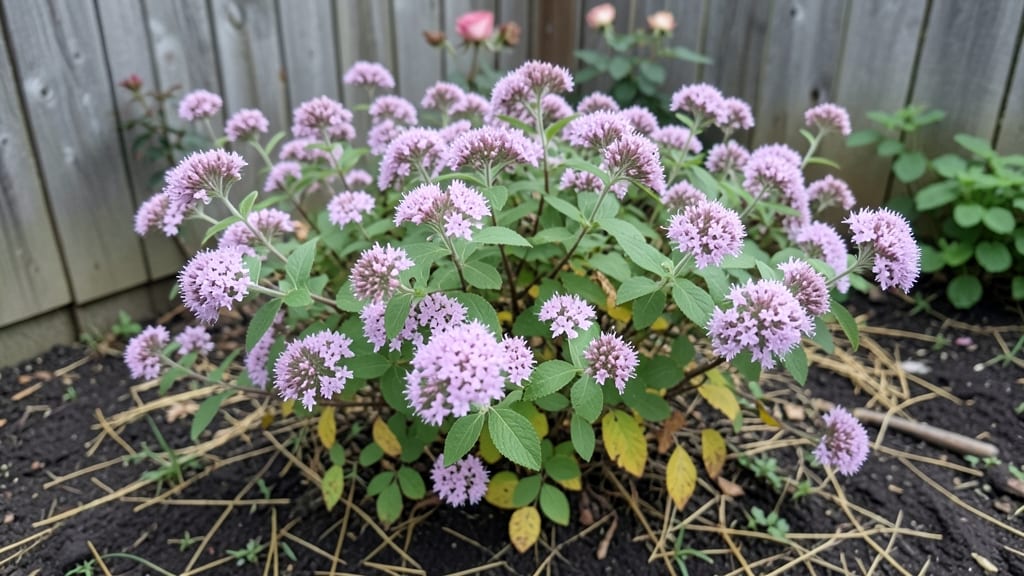
Transforming your Flowering Choice Spirea 🌸 into a nonstop bloomer starts with the right pruning timing and technique.
Struggling to keep your Flowering Choice Spirea blooming year after year? The secret lies in strategic pruning—done right, this hardy shrub can transform from a once-a-year showstopper into a continuous floral masterpiece.
Most gardeners wait until after flowering to prune, but that’s the biggest mistake—cutting back too late removes next year’s buds. Instead, I’ll show you the exact two-step pruning schedule that keeps blooms coming from spring through summer.
You’ll learn how to revive a leggy shrub, when to stop cutting, and the one tool that makes this easier than deadheading roses. Let’s get started.
When and how to prune flowering choice spirea for maximum blooms
If your Flowering Choice Spirea is putting on just one spectacular show each year instead of blooming continuously, it’s likely due to poor pruning habits. This versatile shrub thrives on strategic pruning—when done correctly, it rewards you with year-round color and a bushier, healthier form.
The key is understanding its natural bloom cycle and timing cuts to encourage new growth without sacrificing next year’s flowers.
The best time to prune Flowering Choice Spirea depends on your goal: early spring pruning (March-April) promotes vigorous growth and dense foliage, while late winter pruning (February) helps shape the shrub before new buds form.
Both methods can extend your bloom season if executed properly. Let’s break down the exact steps to transform your spirea from a one-season wonder into a continuous bloomer.
- Early Spring (March-April): Best for rejuvenation pruning—cut back 1/3 of oldest stems to ground level to encourage new growth and denser blooms.
- Late Winter (February): Ideal for light shaping—remove dead or crossing branches and trim 1/4 of oldest stems to maintain shape without sacrificing next year’s flowers.
- Clean, sharp bypass pruners for smaller branches (up to ½ inch thick).
- Lopping shears for thicker stems (½ to 1½ inches).
- Disinfectant (70% alcohol) to wipe tools between cuts and prevent disease spread.
- Garden gloves to protect hands from thorns and sharp branches.
- Start by identifying dead branches—they’ll be brown, brittle, or leafless.
- Cut these back to the base or to a healthy bud if possible.
- Also remove crossing or rubbing branches to improve air circulation and reduce disease risk.
- Look for overcrowded stems competing for sunlight and nutrients.
- Selectively remove 1-2 oldest stems per cluster to open up the center.
- Focus on stems thicker than a pencil—these are energy drains and often flower poorly.
- Step back and visualize the shrub’s natural shape—aim for a rounded, open form.
- Trim outward-facing branches to encourage filler growth inside the shrub.
- Avoid shearing—this creates a dense, woody center that blocks sunlight and reduces blooms.
- After spring pruning, apply a balanced fertilizer (10-10-10) to boost new growth.
- In late summer (August-September), do a light trim to remove spent blooms and stimulate new flower buds.
- Mulch around the base with 2-3 inches of organic mulch to retain moisture and protect roots.
- Rake up and dispose of pruned debris—never leave it on the ground, as it can harbor pests.
- Wipe down tools with disinfectant to prevent disease transmission to other plants.
- Water the shrub deeply after pruning to help it recover faster.
One of the biggest mistakes gardeners make is pruning too late in the season, which can reduce next year’s blooms. For Flowering Choice Spirea, the late summer trim (after blooms fade) is your secret weapon for encouraging a second flush of flowers.
This shrub blooms on new wood, meaning the current year’s growth produces the flowers. By cutting back spent stems in late summer, you’re signaling the plant to produce fresh buds for fall and even early winter color.
If your spirea hasn’t bloomed well this year, don’t panic—it might just need a rejuvenation prune in early spring. Cut back one-third of the oldest stems to the ground, and you’ll likely see a surge of new growth and abundant blooms by mid-summer.
Just remember: patience is key. It may take a year or two for the shrub to fully recover, but the results are worth it.
For container-grown spirea, the pruning principles are the same, but you’ll need to prune more aggressively to maintain size. Since pots have limited root space, overcrowding happens faster.
Aim to remove 20-30% of the oldest growth annually to keep the plant compact and healthy. Also, repot every 2-3 years to refresh the soil and prevent root-bound stress.
Pro tip: Mark your calendar for <
Common pruning mistakes that kill spirea blooms (and how to avoid them)
Your Flowering Choice Spirea might look healthy, but if it's not blooming like crazy, pruning mistakes could be the culprit. Many gardeners unknowingly sabotage their shrubs by cutting at the wrong time or too aggressively.
The good news? These errors are easily fixable with the right knowledge. Let's uncover the top mistakes that rob your spirea of its floral potential—and how to reverse them.
One of the biggest misconceptions is that pruning is optional for spirea. In reality, proper pruning is essential for encouraging those vibrant blooms. Without it, your shrub may produce fewer flowers or none at all.
The key is understanding when and how to prune to stimulate new growth while preserving the plant's natural shape. Let's dive into the critical errors that could be holding back your spirea's flowering performance.
⚠️ Flowering Choice Spirea Pruning Warning
Your Flowering Choice Spirea blooms on new wood, meaning last year's growth produces this year's flowers. Cutting back old wood removes next season's blooms entirely. Never prune after mid-summer—this eliminates next year's flower buds before they form. Always prune in early spring (March-April) or late winter (February) to preserve flowering potential.
Mistake #1: Pruning at the wrong time is the most common error. Many gardeners wait until summer or fall to prune, but this is disastrous for spirea. Blooms form on current year's growth, so late pruning removes next season's flowers.
Always prune in early spring (March-April) before new growth begins. This gives your plant time to develop fresh stems that will produce abundant blooms later in the season.
Mistake #2: Over-pruning can severely limit flowering. While spirea is hardy, cutting back more than 1/3 of the plant at once stresses it and reduces bloom production.
Focus on removing only dead or diseased branches and shaping lightly. For established shrubs, a 10-15% annual prune is ideal to maintain health and flowering without shock.
Mistake #3: Improper cutting techniques lead to poor recovery. Many gardeners make jagged cuts or leave stubs, which invite disease and slow regrowth. Always use clean, sharp pruners and cut just above a bud or leaf node at a 45-degree angle.
This promotes faster healing and encourages new growth where you want it—right where those future blooms will appear.
Mistake #4: Ignoring deadheading throughout the season. While spirea doesn't require heavy deadheading, removing spent blooms encourages continuous flowering. Pinch back faded flowers to just above the next set of leaves to stimulate new growth and additional blooms. This simple step can extend your spirea's flowering season by several weeks.
Mistake #5: Neglecting seasonal maintenance after pruning. Many gardeners stop at the initial spring prune, but spirea benefits from light shaping throughout the growing season. In late summer, give your shrub a light trim to remove any leggy growth while avoiding heavy cuts that could reduce next year's blooms.
This keeps your spirea looking tidy while maintaining its flowering potential.
To recover from pruning mistakes, start with a gentle reset. If you've over-pruned, focus on watering deeply and applying a balanced fertilizer (10-10-10) in early spring. This helps your spirea bounce back with vigorous new growth.
For timing errors, simply adjust your schedule—next year, prune in early spring and avoid any cuts after mid-summer. With these corrections, your Flowering Choice Spirea will reward you with year-round blooms and lush foliage.