
Trees
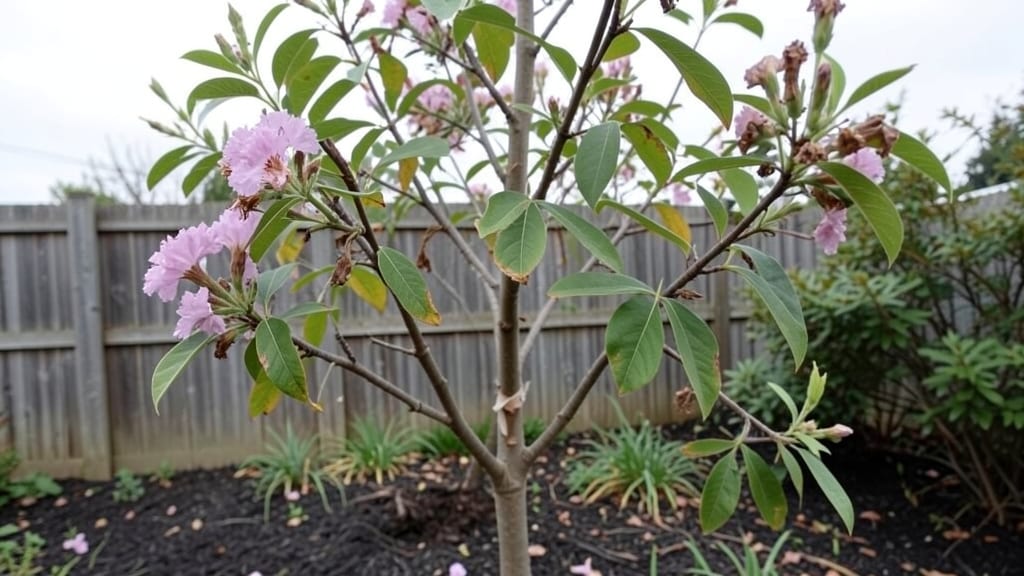
Your flowering crape myrtle 🌸 could be blooming like crazy—if you prune it the right way. Right now, it might look like a tangled mess, but with the right cuts, you’ll turn it into a showstopper every summer.
Most gardeners focus on water and sunlight, but the real game-changer is pruning. A single wrong cut can rob you of next year’s flowers, while the right technique keeps your plant lush and full for years.
I’ve seen leggy, sad crape myrtles turn into bursting, vibrant shrubs in just one season.
Here’s the secret: timing matters more than you think. Prune too early or too late, and you’ll sacrifice blooms. Too aggressive, and you stunt growth. But get it right, and you’ll have a healthier, more dramatic plant that flowers longer and bigger.
Ready to transform your crape myrtle? I’ll walk you through the exact steps—when to prune, what to cut, and how to shape it for maximum impact. No guesswork, just results.
When and how to prune flowering crape myrtle for maximum blooms
Your flowering crape myrtle (Lagerstroemia) can produce stunning blooms for 6-8 weeks—but only if you prune correctly. The key? Timing and technique. Prune at the wrong time, and you’ll sacrifice next year’s flowers.
Prune incorrectly, and you’ll create an unsightly, leggy shrub. Let’s fix that with science-backed methods tailored for longer, fuller blooms.
Most gardeners make one of two mistakes: pruning too early (when buds form) or too late (after flowers fade). The best time is late winter or early spring, just as new growth begins.
This ensures you remove dead wood while leaving flower buds intact. Crape myrtles bloom on new wood, so pruning at the right time encourages robust growth and vibrant blooms.
Before grabbing your shears, know this: hard pruning (cutting back by 1/3 to 1/2) is for rejuvenating old shrubs, while soft pruning (light shaping) is for maintenance. We’ll cover both methods—plus how to spot water sprouts (those ugly vertical shoots) and remove them without harming your plant.
Step-by-Step Pruning Guide
- 1 Timing is critical: Prune in late winter (Feb-March) or early spring (April), just before buds swell. Avoid pruning after mid-June—this cuts off next year’s flower buds.
- 2 Remove dead/diseased wood: Cut out blackened or brittle branches first. Use sterilized shears to prevent spreading disease. Look for branches with no green bark or hollow centers.
- 3 Thin the center: Focus on removing 1/3 of oldest branches to improve airflow. Target crossing or rubbing branches—these create wounds and invite pests. Aim for an open vase shape.
- 4 Shape lightly: For maintenance, prune to encourage branching. Cut just above a leaf node (bud) at a 45-degree angle. Avoid topping (cutting flat across the top)—this stunts growth and reduces blooms.
- 5 Remove water sprouts: These vertical shoots grow from the base or trunk. Cut them at the base—they drain energy from blooms. Use sharp pruners to avoid tearing bark.
- 6 Clean up: Rake and dispose of prunings (don’t compost if diseased). Apply a 2-inch mulch layer around the base to retain moisture and suppress weeds. Avoid piling mulch against the trunk.
Pro tip: If your crape myrtle is overgrown, spread pruning over 2-3 years. Cutting back more than 1/3 in one season can shock the plant.
For young crape myrtles (under 3 years old), minimal pruning is best—just remove dead wood and shape lightly to encourage a strong structure.
Watch for new growth after pruning—this signals your plant is recovering. In summer, you can do a light touch-up to shape, but avoid heavy pruning. The goal is to balance form and function: a crape myrtle that looks beautiful and blooms like crazy.
With these steps, you’ll see longer stems, more buds, and healthier foliage next season.
Remember: Crape myrt
5 Common pruning mistakes that stunt crape myrtle growth (and how to fix them)
Your flowering crape myrtle might look healthy, but if you're pruning incorrectly, you could be accidentally stunting its growth and reducing those stunning summer blooms. Many gardeners unknowingly make these 5 pruning mistakes that leave their crape myrtles leggy, sparse, or even dead. Let's fix that together!
First, let's address the most damaging mistake: pruning at the wrong time. Unlike many shrubs, crape myrtles bloom on new wood, meaning they produce flowers on growth from the current season.
If you prune too late in the season, you risk cutting off next year's blooms before they even form.
⚠️
Never prune your flowering crape myrtle after mid-summer (July 15th). Late-season cuts remove next year's bloom buds that form on new growth. The best time is late winter or early spring (February-March) when the plant is dormant but before new growth begins.
Pro Tip: Look for swollen buds at branch tips—these are next year's flowers! Never cut them off.
Mistake #1: Topping your crape myrtle. This means cutting the top off flat like a tree, leaving stubby branches. Topping causes weak, ugly growth and encourages disease. Instead, make clean cuts just above a bud or branch collar to promote healthy regrowth.
Mistake #2: Over-pruning more than 1/3 of the plant at once. Heavy pruning stresses crape myrtles, especially young ones. Limit yourself to removing only dead, diseased, or crossing branches in a single session. For major reshaping, spread it over 2-3 years.
Mistake #3: Pruning too close to the trunk. Always leave a branch collar (the swollen area where the branch meets the trunk) when cutting. Cutting into the trunk creates wounds that never heal properly, inviting rot and pests.
Use sharp pruners to make clean cuts at a 45-degree angle just above the collar.
Mistake #4: Ignoring dead or diseased wood. Leaving dead branches invites pests and diseases that can kill your crape myrtle. Remove any branches with dark spots, holes, or no leaves immediately. Sterilize your pruners with rubbing alcohol between cuts to prevent spreading disease.
Mistake #5: Using dull tools. Jagged cuts from dull pruners tear bark and create entry points for infections. Always use sharp, clean pruners and make smooth cuts. For larger branches, use a pruning saw with a fine-tooth blade to avoid tearing.