
Trees
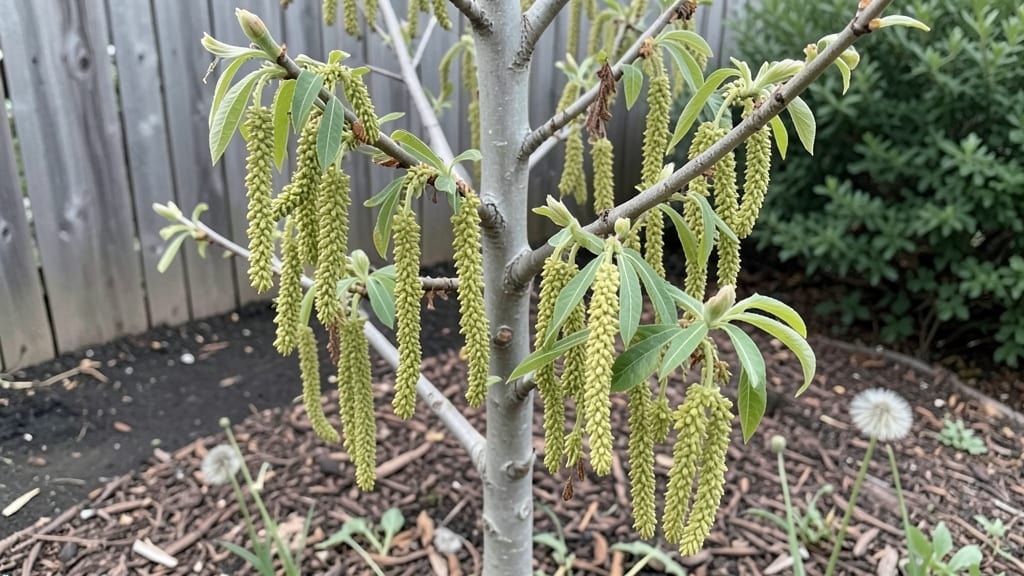
The flowering pistachio tree 🌸 delivers dazzling spring blooms with minimal fuss, making it a standout for both novice and experienced gardeners.
Imagine a tree that bursts into vibrant pink and white blooms each spring—then transforms into a lush, edible canopy. The flowering pistachio tree isn’t just a showstopper; it’s a low-maintenance powerhouse for gardeners craving both beauty and bounty.
If you’re in USDA Zone 6a or warmer, you’re in luck—this tree thrives in full sun and well-draining soil, with April to May being the ideal planting window.
Once established, it handles drought surprisingly well, though a deep watering every 7-10 days keeps those showy flowers coming back year after year.
Below, I’ll walk you through everything from soil prep to pruning secrets, so you can grow a flowering pistachio tree that steals the show every spring without the high-maintenance drama.
Flowering pistachio tree care: essential growing conditions for optimal blooms
The flowering pistachio tree (Pistacia vera ornamental varieties) thrives when given the right growing conditions. To unlock those vibrant pink and white blooms, focus on three critical factors: sunlight exposure, well-draining soil, and proper watering techniques.
Unlike its edible cousin, this ornamental variety prioritizes stunning floral displays over nut production, making it a perfect addition to any sunny garden.
Native to Mediterranean climates, this tree adapts beautifully to USDA zones 6-9 with proper care. The key to maximizing blooms lies in mimicking its natural habitat—hot, dry summers and mild winters.
While it’s drought-tolerant once established, young trees need consistent moisture to develop strong root systems. Let’s dive into the specifics that will transform your pistachio tree into a bloom-producing powerhouse.
| Growing Condition | Ideal Specification | Key Notes |
|---|---|---|
| Sunlight | Full sun (6+ hours daily) | South-facing locations maximize blooms |
| Soil Type | Well-draining, slightly alkaline | pH 7.0-8.5; avoid clay soils |
| Water Needs | Deep watering (2-3x/week) | Reduce to weekly once established |
| Climate Tolerance | Zones 6-9, drought-resistant | Protect young trees from frost |
| Pruning Time | Late winter/early spring | Remove dead wood to encourage blooms |
Your flowering pistachio tree will reward you with abundant blooms when planted in full sun locations. These trees crave at least 6-8 hours of direct sunlight daily, with south-facing exposures yielding the most dramatic floral displays.
In my own garden, I’ve noticed that trees receiving morning sun and afternoon shade still bloom well, but with slightly fewer flowers. For maximum impact, position your tree where it gets uninterrupted sunlight from early morning through mid-afternoon.
The soil requirements for flowering pistachio trees are often overlooked, yet they’re critical. This tree thrives in well-draining, slightly alkaline soil with a pH between 7.0 and 8.5. If your native soil is heavy clay, amend it with coarse sand or perlite to prevent root rot.
I always mix in composted manure for young trees to give them a nutrient boost without altering the soil pH too dramatically. Avoid waterlogged conditions—these trees hate soggy roots and will quickly decline if planted in poorly draining soil.
Watering your flowering pistachio tree requires a balanced approach, especially during the first two years after planting. Young trees need deep watering 2-3 times per week to establish strong roots, while mature trees only require watering once a week during dry spells.
The secret to drought tolerance lies in deep, infrequent watering—this encourages roots to grow deeper in search of moisture. I’ve found that watering early in the morning minimizes evaporation and reduces the risk of fungal diseases that thrive in damp foliage.
One of the most common mistakes gardeners make is overwatering mature pistachio trees. While they’re drought-tolerant once established, they still need consistent moisture during their first growing season.
In my experience, the best approach is to water deeply but infrequently, allowing the top 6 inches of soil to dry out between waterings. This mimics their natural Mediterranean environment where occasional heavy rains are followed by long dry periods.
Mulching around the base with wood chips or gravel helps retain moisture while preventing soil compaction.
Pruning plays a crucial role in encouraging dense blooms on your flowering pistachio tree. The best time to prune is late winter or early spring
When and how to plant a flowering pistachio tree for maximum spring blooms
The best time to plant your flowering pistachio tree is in early spring, about 6-8 weeks after your last frost date. This timing ensures roots establish before summer heat arrives.
For regions with mild winters, fall planting (September-October) also works, but spring remains ideal for maximum bloom potential.
Choose a sun-drenched location with well-draining soil—this tree hates soggy roots. Amend heavy clay with compost or sand to improve drainage. The right spot sets the stage for vibrant pink and white blooms that’ll steal your neighbors' attention.
Dig a hole twice as wide as the root ball but only as deep. Gently remove your tree from its container and loosen any circled roots with your fingers. This encourages outward root growth for better stability. Place a layer of gravel at the bottom to prevent water pooling.
Backfill with native soil mixed with compost or aged manure for nutrients. Water thoroughly to settle the soil, then add a 2-inch mulch ring around the base (keep mulch 6 inches away from the trunk). This conserves moisture while protecting roots from temperature swings.
For enhanced flowering, plant your pistachio tree near companion plants like lavender (deters pests) or rosemary (improves soil health). Avoid planting near walnut trees, which release toxins that inhibit growth. Prune back any damaged branches immediately after planting to redirect energy toward root development.
In the first year, your tree will focus on root growth rather than blooms. Be patient—full flowering typically occurs by year 3-5 with proper care. Monitor for aphids or spider mites (common early pests) and treat with neem oil if needed.
With the right start, your flowering pistachio will reward you with decades of spectacular spring displays.