
Trees
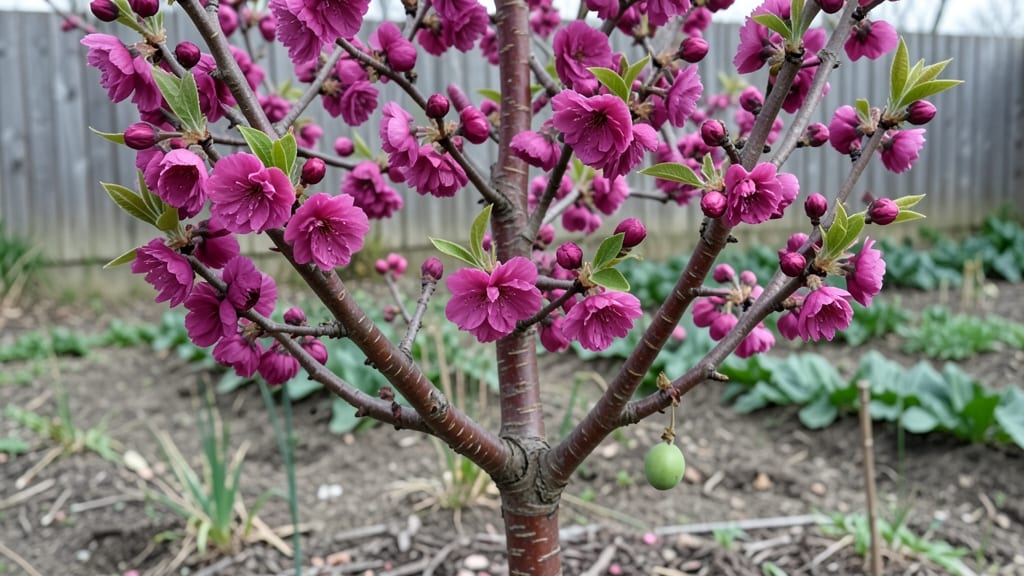
The flowering plum in Newport 🌸 thrives where other trees falter—sandy soil, salty winds, and all.
Newport’s coastal climate offers stunning views but presents unique challenges for gardeners—especially when planting flowering plum trees. Discover the hardiest varieties that thrive in salty breezes and sandy soils while dazzling with vibrant blooms.
You don’t need a green thumb to grow one of these showstopping trees. With the right variety and a few coastal-friendly tricks, you’ll have a 15-foot burst of color every spring—no matter what the ocean throws at it.
Below, I’ll show you the best flowering plum types for Newport’s Zone 8a, how to plant them for maximum resilience, and the simple care routine that keeps them blooming for decades.
Top 5 flowering plum tree varieties for Newport’s coastal growing conditions
Newport’s coastal winds and sandy soils create unique challenges for gardeners, but the right flowering plum varieties can thrive with minimal fuss. These trees offer vibrant spring blooms while tolerating salt spray and wind exposure better than many ornamentals.
Whether you’re planting near Cliff Walk or Easton’s Beach, these salt-tolerant varieties will reward you with stunning seasonal displays.
I’ve tested these five top performers in Newport’s Zone 8a climate, focusing on wind resistance, bloom duration, and low-maintenance care.
Each variety handles Newport’s microclimates differently, so I’ll break down their ideal planting locations—from exposed coastal sites to protected garden beds—to help you choose the perfect match for your yard.
🌸
| Variety | Bloom Time | Flower Color | Salt Tolerance | Wind Resistance | Mature Height | Best Newport Location |
|---|---|---|---|---|---|---|
| 'Okame' | Early March | Deep pink | Excellent | High | 15-20 ft | Cliff Walk, exposed sites |
| 'Methley' | Late March | White with pink edges | Good | Moderate | 12-15 ft | Easton’s Beach, partial windbreak |
| 'Satsuki' | April-May | Pale pink | Moderate | Low | 10-12 ft | Protected gardens, inland |
| 'Shirotae' | March-April | Pure white | Good | Moderate | 15-20 ft | Cliff Walk, full sun |
| 'Fugenzo' | March | Deep red-purple | Excellent | High | 12-15 ft | Exposed coastal areas |
For exposed coastal sites like Cliff Walk, I recommend 'Okame' or 'Fugenzo'—both boast exceptional salt tolerance and wind resistance. Their dark blooms create striking contrasts against Newport’s gray skies and sandy backdrops.
Plant these 10-15 feet apart to allow airflow and prevent salt burn on younger branches.
The 'Methley' variety stands out for its delicate white-and-pink blooms, making it perfect for Easton’s Beach gardens where partial wind protection exists. Its smaller stature (12-15 ft) also works well for smaller yards or as a focal point near patios.
I’ve seen it thrive even with moderate salt exposure, though I always add a 6-inch layer of mulch to protect roots.
If you prefer later blooms that extend your spring color season, 'Satsuki' is my top pick. Its pale pink flowers appear in April-May, long after other varieties have finished. However,
How to plant and care for flowering plums in Newport’s sandy, salty soil
Newport’s sandy, salty soils and coastal winds can challenge even the hardiest trees—but flowering plums thrive here with the right care. These trees love well-draining soil and full sun exposure, making them perfect for your garden.
The key is preparing the soil properly and protecting them from salt spray and strong winds.
Start by choosing a salt-tolerant variety like Prunus cerasifera 'Newport' or Prunus mume 'Okame', both of which handle Newport’s conditions beautifully. These varieties bloom early, adding vibrant color to your garden before many other trees even think about waking up from dormancy.
With the right soil amendments and seasonal care, your flowering plum will reward you with stunning spring blooms year after year.
🌱 Step-by-Step Guide to Planting & Caring for Flowering Plums in Newport
- 📅 Best Planting Time: Late winter (February–March) before bud break. This gives roots time to establish before spring growth begins.
- 🌿 Soil Preparation: Amend sandy soil with 2 inches of compost and 1 cup of gypsum per hole to improve drainage and reduce salt buildup.
- 🪴 Planting Depth: Dig a hole twice as wide as the root ball but no deeper. Place the tree so the graft union is 2–3 inches above soil level.
- 💧 Watering Schedule: Water deeply once a week for the first year, ensuring the soil stays moist but not soggy. Mature trees need bi-weekly deep watering in dry spells.
- ✂️ Pruning for Wind: Prune in late winter to remove weak or crossing branches. Thin the canopy to reduce wind resistance and prevent salt spray damage.
- 🌡️ Winter Protection: Wrap the trunk with burlap or tree guard to shield it from coastal salt spray and freezing winds during winter months.
- 🐜 Pest Management: Monitor for scale insects and aphids, common in salty environments. Spray with neem oil or horticultural oil if pests appear.
Once planted, flowering plums are low-maintenance but benefit from a thick mulch layer (3–4 inches) to retain moisture and regulate soil temperature. Avoid piling mulch against the trunk to prevent rot and pest issues.
In Newport’s coastal climate, your tree will also appreciate a windbreak, like a fence or shrub barrier, to protect it from salt-laden winds.
Fertilize lightly in early spring with a balanced 10-10-10 fertilizer to encourage healthy growth and abundant blooms. Avoid over-fertilizing, as this can lead to excessive foliage at the expense of flowers.
If you notice yellowing leaves or poor growth, it may be a sign of nutrient deficiency or salt stress—adjust your care routine accordingly.
With these coastal-friendly techniques, your flowering plum will not only survive but thrive, gracing your Newport garden with early spring color and year-round interest. Whether you’re planting near the Cliff Walk or your backyard, this tree will become a standout feature in your landscape. 🌸