
Plants
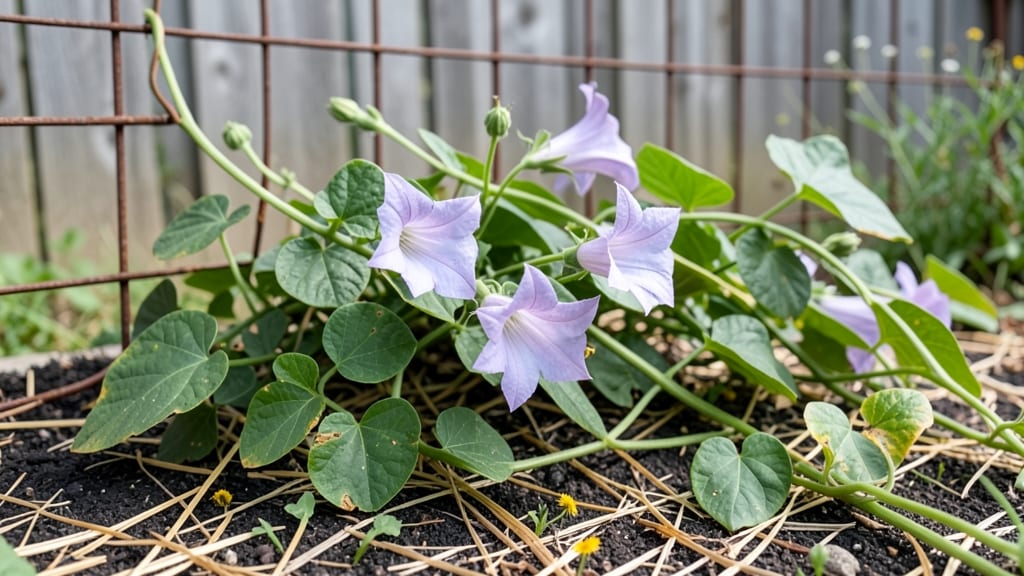
Growing a flowering potato vine 🌸 means turning your garden into a nonstop parade of delicate blooms with almost no effort—its rapid growth and drought tolerance make it a star performer.
Imagine a fast-growing vine that transforms your garden into a vibrant, eye-catching display with minimal effort—flowering potato vine delivers exactly that, with its cascading blooms and low-maintenance charm.
Whether you’re training it up a trellis or letting it spill over a container, it thrives in full sun and well-drained soil, making it the perfect choice for busy gardeners.
This vine isn’t just pretty—it’s tough. Plant it in USDA Zone 6a after the last frost (around April), and you’ll see those star-shaped flowers appear by summer, lasting well into fall.
The key to keeping it blooming? A little pruning and regular watering, which I’ll walk you through step by step.
Ready to add some drama to your space? Below, I’ll cover everything from propagation tricks to pest control, so you can enjoy those nonstop blooms all season long.
Flowering potato vine care guide: soil, sunlight, and watering secrets for maximum blooms
If you’ve ever dreamed of a garden bursting with vibrant, cascading blooms that require almost no effort, the flowering potato vine (Solanum jasminoides) is your perfect match. This fast-growing, drought-tolerant perennial thrives in warm climates and delivers non-stop flowers from summer through fall.
The key to unlocking its full potential lies in understanding its soil preferences, sunlight needs, and watering schedule—all of which I’ll break down in detail so you can enjoy lush, continuous blooms year after year.
One of the most rewarding aspects of growing flowering potato vine is its adaptability. Whether you’re training it up a trellis, letting it spill over a container, or using it as a ground cover, this vine rewards even beginner gardeners with its low-maintenance nature.
However, a few critical growing conditions—like well-draining soil and full sun exposure—make all the difference between a vine that’s barely holding on and one that’s thriving with abundant blooms.
| Growing Condition | Ideal Specification | Notes |
|---|---|---|
| Soil Type | Well-draining, slightly acidic | Avoid heavy clay; amend with compost |
| Sunlight | Full sun (6+ hours/day) | Partial shade tolerates but reduces blooms |
| Watering | Deep soak every 3-5 days | Morning watering prevents fungal issues |
| pH Level | 5.5–6.5 | Test soil and adjust with lime or sulfur |
| Fertilizer | Balanced 5-10-10 | Apply every 4-6 weeks in growing season |
| Hardiness Zone | USDA Zones 9–11 | Grow as annual in cooler climates |
The first step to growing a flowering potato vine that bursts with color is choosing the right soil mix. This vine despises soggy roots, so well-draining soil is non-negotiable. If your garden soil is heavy or clay-like, mix in compost or perlite to improve aeration.
A slightly acidic pH (5.5–6.5) also encourages robust growth and prolonged blooming. I recommend testing your soil’s pH before planting—you can adjust it with garden lime to raise pH or sulfur to lower it.
When it comes to sunlight exposure, full sun (6+ hours daily) is the golden rule for flowering potato vine. Placing your vine in a spot with morning sun and afternoon shade can work in hotter climates, but expect fewer blooms.
If you’re growing this vine in a container, position it near a south-facing window or on a patio where it gets direct sunlight. Without enough light, your vine will stretch leggily and produce sparse flowers—a common issue I see in shady gardens.
Watering your flowering potato vine correctly is another secret to maximum blooms. Unlike some drought-tolerant plants, this vine prefers consistent moisture but hates soggy soil. The best approach? Deep watering every 3–5 days, ensuring the top 2–3 inches of soil dry out slightly between waterings.
Water in the early morning to reduce evaporation and prevent fungal diseases like powdery mildew, which can turn leaves yellow and stunt growth. During summer heatwaves, you may need to water every 2–3 days.
One of the most frustrating issues I’ve seen with flowering potato vine is yellowing leaves, often caused by overwatering or poor drainage. If your vine’s leaves start turning yellow, check the roots—if they’re mushy or the soil smells sour, you’re dealing with root rot.
The fix? Stop watering immediately, repot the vine in fresh, well-draining soil, and ensure the container has drainage holes. For ground-planted vines, improve soil drainage by adding organic matter like compost or coconut coir.
Another common problem is sparse blooms, which usually stems from lack of sunlight or nutrient deficiencies. If your vine is healthy but not flowering, try moving it to a sunnier spot and feeding it with a balanced fertilizer (5-10-10) every 4–6 weeks during the growing season.
I also recommend pruning back leggy growth in early spring to encourage bushier
How to train flowering potato vine: pruning, trellising, and container growing tips
Mastering the art of training your flowering potato vine (Solanum jasminoides) is the secret to unlocking those stunning cascades of blooms that make this plant a garden superstar. Without proper guidance, these vines can quickly become unruly, sprawling everywhere and losing their compact, showy form.
The good news? With just a few simple techniques, you can control growth, maximize vertical space, and keep those flowers coming non-stop all season long.
Whether you're working with a trellis in your backyard, a container on your patio, or even a simple window box, the principles remain the same: prune strategically, support wisely, and give your vine the right conditions to thrive.
I’ve trained mine to climb a 10-foot arbor, spill dramatically from hanging baskets, and even cover a chain-link fence—all with minimal effort once I learned the tricks. Let’s dive into the step-by-step process to transform your leggy vine into a lush, blooming masterpiece.
Step-by-Step Training Guide
-
Step 1: Choose the Right Trellis
Opt for a strong, open trellis like a metal arbor, wooden lattice, or chain-link fence. Avoid dense materials that restrict airflow, which can lead to fungal diseases. For containers, use a small obelisk or tomato cage to guide vertical growth.
-
Step 2: Plant Near the Support
Position your vine 3-6 inches away from the trellis or container edge. This ensures the main stem can reach the support quickly, reducing sprawl. For ground cover, space plants 12-18 inches apart to encourage bushier growth.
-
Step 3: Prune for Bushiness
Pinch back the tip of the main stem when it reaches 6-8 inches tall to encourage side branches. Repeat this pruning every 4-6 weeks to maintain a compact shape. Remove any weak or leggy growth near the base to redirect energy to flowering.
-
Step 4: Train Vines Up the Trellis
Gently tie or weave the main vine to the trellis using soft plant ties or twine. Avoid tightening too much, as this can damage stems. For fast-growing varieties, check weekly to ensure vines stay supported as they climb.
-
Step 5: Deadhead and Prune Flowers
After blooms fade, deadhead spent flowers by snipping them off just above a leaf node. This encourages new flower production and prevents the vine from wasting energy on seed development. Prune back overgrown branches in late summer to promote a second flush of blooms.
-
Step 6: Container-Specific Tips
For container growing, use a pot with drainage holes and a minimum 12-inch diameter. Choose a lightweight potting mix to avoid root bound issues. Water more frequently (every 2-3 days) and fertilize with a balanced liquid fertilizer every 4 weeks.
-
Step 7: Revive Leggy Vines
If your vine becomes too leggy, prune back 1/3 of the growth to stimulate new shoots. Increase sunlight exposure and reduce nitrogen-heavy fertilizers, which promote foliage over flowers. A hard prune in early spring can also rejuvenate older plants.
One of my favorite container hacks is to grow flowering potato vine alongside trailing petunias or calibrachoa in a hanging basket. The cascading blooms create a stunning two-tiered display, and the vines naturally fill in any gaps.
Just ensure your container has enough depth for roots—these vines can get surprisingly heavy once established!
Don’t forget that seasonal adjustments are key. In late summer, reduce watering slightly to harden off the plant before fall. If you live in a warmer climate (USDA Zone 8+), your vine might bloom year-round—just keep pruning to maintain shape.
With these techniques, your flowering potato vine will be the showstopper of your garden, whether it’s climbing a trellis or spilling from a pot.
🌿