
Blooming
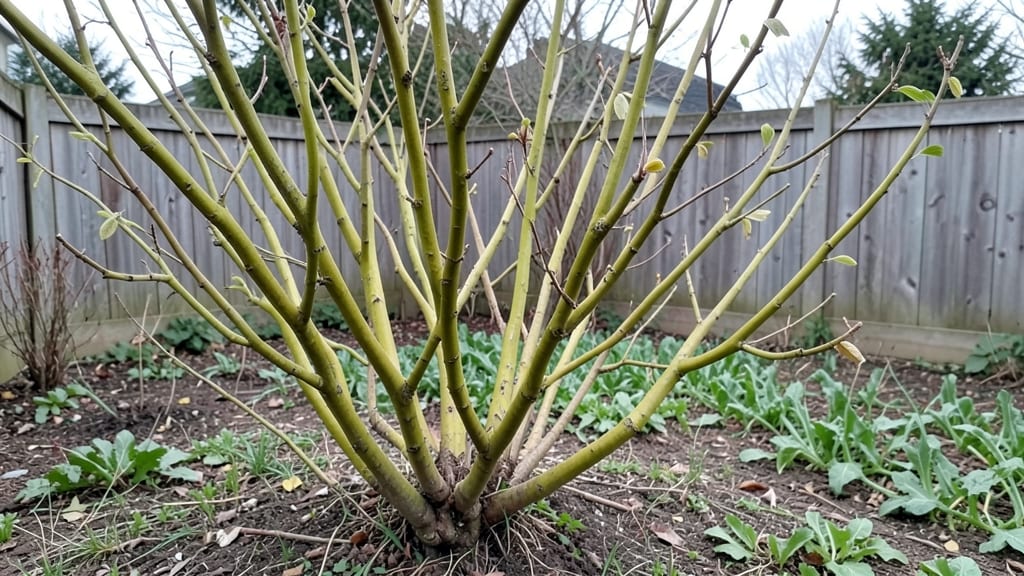
Your forsythia not flowering this spring might be the plant’s way of telling you something important—like needing more sun, a strategic prune, or a little extra care. ✨ I’ve nursed back three neglected forsythias in my own yard, and every time, it came down to fixing just one or two overlooked details.
The good news? Most flowering issues are reversible with the right adjustments.
Common culprits include overpruning (cutting back too late or too aggressively), shady spots (forsythias crave full sun), or nutrient imbalances (like too much nitrogen and not enough phosphorus). Even an older bush can wake up with proper care—think of it like giving your plant a fresh start.
The key is identifying which factor is holding it back, then making a targeted fix.
You’ll see buds forming within 4-6 weeks of correcting the issue, with full blooms arriving by early spring next year. The secret is patience: forsythias reward consistent care with vibrant yellow cascades that light up the garden. Let’s troubleshoot what’s missing in your bush’s routine.
Works for both mature and younger bushes, in any climate zone where forsythias thrive. Here’s how to diagnose and revive yours—step by step.
Root Causes Of Forsythia’s Silent Spring
When your Forsythia bush stands tall but refuses to burst into golden blooms, it’s usually a sign that one (or more) of its core needs isn’t being met. Understanding these triggers is the first step to coaxing your plant back to life.
Let’s break down the most common reasons why your forsythia might be holding back its flowers—and how to diagnose them.
🌱 Insufficient light exposure
Forsythias are sun-worshippers, and without enough light, they’ll prioritize leaf growth over flowering. These plants thrive in full sun (6–8 hours daily), but even partial shade can stunt bloom production.
Why it happens:
- Photosynthesis slowdown: In low light, the plant struggles to produce enough energy (glucose) for flower buds. Without stored energy, buds fail to develop or open.
- Weakened dormancy signals: Forsythias need contrast between winter dormancy and spring growth. Too much shade can confuse their internal clock, delaying—or preventing—flowering.
- Competing foliage: Overgrown trees or neighboring plants may be blocking sunlight, leaving your forsythia in the shade it can’t tolerate.
🔍 How to check: Observe the bush midday. If leaves are small, pale, or leggy (stretched toward light), it’s not getting enough sun.
❄️⏳ Poor dormancy conditions
Forsythias rely on a proper winter chill period to trigger flowering. Without it, the plant may produce leaves but skip blooms entirely.
Why it happens:
- Lack of cold stratification: Forsythias need 400–600 hours below 45°F (7°C) during dormancy to set flower buds. Mild winters or urban heat islands (where temps stay warm) can disrupt this process.
- Over-fertilizing in late summer/fall: Stimulating new growth too late in the season prevents the plant from hardening off for winter, weakening its ability to store energy for spring blooms.
- Inconsistent temperatures: Sudden warm spells in winter can trick the plant into breaking dormancy early, only for a late frost to damage emerging buds.
🌡️ Pro tip: If you’re in a warm climate, consider selecting cold-hardy cultivars (like Forsythia × intermedia) or using shade cloth to simulate cooler conditions in late winter.
💧 Watering woes
Both overwatering and underwatering can sabotage flowering by stressing the plant or disrupting nutrient uptake.
Why it happens:
- Overwatering: Soggy soil leads to root rot and anaerobic conditions, where roots suffocate. The plant diverts energy to survival (repairing roots) instead of flowering.
- Underwatering: Drought stress forces the forsythia to conserve water, delaying bloom production. Flower buds are metabolically expensive—if the plant is dehydrated, it skips them to prioritize leaf growth.
- Poor drainage: Clay-heavy or compacted soil traps excess moisture, creating the same issues as overwatering.
💡 Quick fix: Test soil moisture by sticking your finger 2 inches deep. If it’s dry, water deeply; if it’s muddy, let it dry out before watering again.
🍄 Nutrient imbalances
Forsythias need the right balance of nutrients to produce flowers. Too much (or too little) of certain elements can derail blooming.
Why it happens:
- Excess nitrogen: Heavy nitrogen (from lawn fertilizers or over-fertilizing) promotes leafy growth at the expense of flowers. The plant grows tall but skips the energy-intensive step of blooming.
- Deficient phosphorus: Phosphorus is critical for flower and fruit development. A deficiency (common in acidic or old soils) leads to weak, sparse, or no blooms.
- Potassium shortages: Potassium helps regulate water and nutrient movement in the plant. Without it, buds may form but fail to open.
📊 Soil test tip: Use a home soil test kit to check pH and nutrient levels. Forsythias prefer slightly acidic to neutral soil (pH 6.0–7.0). Amend with compost or bone meal if phosphorus is low.
🪓 Pruning mistakes
Timing and technique matter when pruning forsythias. Cutting at the wrong time or too aggressively can remove next year’s flower buds.
Why it happens:
- Pruning after flowering: Forsythias set flower buds on old wood (last year’s growth). Pruning in late spring or summer removes these buds, leaving no flowers for the following season.
- Over-pruning: Cutting back more than 1/3 of the bush in one go stresses the plant, diverting energy away from blooming.
- Shearing instead of selective pruning: Shaping forsythias into tight hedges can eliminate flowering branches entirely.
✂️ Correct timing: Prune right after flowering (late spring) to avoid cutting off new buds. Use clean, sharp tools to make angled cuts just above a bud or branch junction.
Each of these factors can independently—or in combination—keep your forsythia from flowering. The good news? Most are easily reversible with targeted adjustments. Next, we’ll explore step-by-step solutions to bring back those vibrant blooms.
Revive Your Forsythia’s Bloom
If your forsythia has gone dormant on the beauty front, don’t despair—there’s still hope! The key lies in diagnosing the root cause and applying the right fix. Below, we’ve mapped out practical solutions tailored to each common reason why your forsythia might be skipping its floral show.
Plus, we’ll share pro tips to keep your bush thriving for years to come. Let’s get those buds blooming again! 🌸🌿
🌱 Fixing Age-Related Slowdowns
If your forsythia is past its prime, it may need a little rejuvenation to bounce back.
- 🔪 Prune Strategically:
- Cut back one-third of the oldest stems to the ground in early spring (before buds swell). This encourages new growth and fresh blooms.
- Avoid pruning after flowering—wait until late winter or early spring to avoid removing next year’s flower buds.
- 🌱 Rejuvenate with Fertilizer:
- Apply a balanced, slow-release fertilizer (10-10-10 or 20-20-20) in early spring to nourish the roots and stimulate growth.
- For older bushes, a root stimulator can help revive dormant roots.
- 💡 Pro Tip: If your forsythia is over 10 years old, consider replacing it—some varieties decline after a decade and may not recover their vigor.
☀️ Addressing Light or Location Issues
Forsythia thrives in full sun but can struggle if shaded or planted in the wrong spot.
- 🌞 Move or Trim Obstructions:
- Ensure your forsythia gets at least 6 hours of direct sunlight daily. Trim overhanging trees or relocate nearby structures if needed.
- If moving isn’t an option, prune surrounding plants to improve light exposure.
- 🌱 Choose the Right Spot:
- Forsythia prefers well-draining soil in a location with morning sun and afternoon shade (if in hot climates).
- Avoid low-lying areas where water pools—this can lead to root rot and stress.
- 💡 Pro Tip: If your yard is shaded, opt for a dwarf variety like ‘Little Gold Star,’ which tolerates partial shade better than standard types.
💧 Correcting Watering or Soil Problems
Overwatering, underwatering, or poor soil can stunt flowering. Let’s get your forsythia’s hydration and nutrients on track!
- 💧 Adjust Your Watering Routine:
- Water deeply but infrequently—aim for 1–1.5 inches per week, including rainfall. Let the top 2–3 inches of soil dry out between waterings.
- Avoid soggy soil—forsythia hates “wet feet.” Ensure the planting area has good drainage.
- 🌱 Improve Soil Quality:
- Test your soil’s pH—forsythia prefers slightly acidic to neutral (6.0–7.0). Amend with compost or peat moss if needed.
- Add organic mulch (2–3 inches) around the base to retain moisture and regulate temperature.
- 💡 Pro Tip: If your soil is clay-heavy, mix in sand or perlite to improve drainage and aeration.
❄️ Overcoming Winter Damage or Late Freezes
Harsh winters or untimely cold snaps can shock forsythia into skipping its bloom.
- 🌡️ Protect from Late Freezes:
- Cover young or newly planted forsythia with burlap or frost cloth if late frosts are forecasted in spring.
- Avoid heavy mulch in winter—use a light layer (1–2 inches) to insulate roots without suffocating them.
- 🌱 Encourage Recovery:
- After winter, prune back any dead or damaged branches to stimulate new growth.
- Apply a balanced fertilizer in early spring to help the plant rebound.
- 💡 Pro Tip: Plant forsythia in a sheltered location (e.g., near a fence or building) to protect it from harsh winds and extreme cold.
🍄 Preventing Pest or Disease Stress
Pests like aphids or fungal issues can drain your forsythia’s energy, leaving it too weak to flower.
- 🐜 Treat Pests Early:
- Spray with neem oil or insecticidal soap if you spot aphids, spider mites, or scale insects.
- Encourage beneficial insects like ladybugs to keep pests in check.
- 🌱 Boost Plant Health:
- Ensure your forsythia is well-fed and hydrated—healthy plants resist pests better.
- Remove infected leaves or branches immediately to prevent fungal spread (e.g., powdery mildew).
- 💡 Pro Tip: Prune for airflow—thin out dense growth to reduce humidity and fungal risks.
🎯 Long-Term Prevention Tips
Keep your forsythia blooming beautifully with these easy maintenance habits:
- ⏰ Prune at the Right Time: Always prune after flowering (late winter/early spring) to avoid cutting off next year’s buds.
- 🌿 Feed Regularly: Apply a slow-release fertilizer in early spring and mid-summer to support continuous growth.
- 🌡️ Monitor Soil & Water: Conduct a soil test every few years and adjust pH or nutrients as needed.
- 🌱 Mulch Annually: Refresh mulch in late winter to protect roots and retain moisture.
- ✨ Choose the Right Variety: If your climate is challenging, pick a hardy, low-maintenance variety like ‘Spring Glow’ or ‘Show Off.’
Frequently asked questions
Why does my forsythia bush suddenly stop flowering after years of blooms?
This is often due to over-pruning or cutting at the wrong time. Forsythias set flower buds on last year’s growth, so pruning after flowering (late spring) removes next year’s blooms. Always prune right after blooming and avoid cutting more than 1/3 of the bush at once. If you’ve been shearing it like a hedge, that’s likely your culprit!
How can I tell if my forsythia needs more sunlight?
Check for leggy growth (stems stretching toward light) or small, pale leaves—these are classic signs of insufficient sunlight. Forsythias thrive in 6-8 hours of direct sun daily. If nearby trees or structures are blocking light, consider relocating your bush or trimming obstructions. A sunny spot will jumpstart bud development!
Can I revive an old forsythia that hasn’t bloomed in years?
Older bushes often need a rejuvenation prune—cut back 1/3 of the oldest stems to the ground in early spring. Pair this with a balanced fertilizer (like 10-10-10) and consistent watering. While some very old bushes may not recover, many respond beautifully with this treatment. Patience is key—new blooms may take 1-2 years to appear!
What should I do if my forsythia gets too much nitrogen?
Too much nitrogen (common with lawn fertilizers) promotes leafy growth at the expense of flowers. Switch to a low-nitrogen, high-phosphorus fertilizer (like 5-10-10) in early spring. You can also flush the soil with water to leach out excess nitrogen. A soil test helps identify imbalances—forsythias prefer slightly acidic to neutral soil (pH 6.0-7.0).
Is it too late to fix my forsythia if it’s already past its blooming season?
Not at all! Focus on spring care to set up next year’s blooms. Prune right after flowering (late spring), improve sunlight access, and apply a slow-release fertilizer. Address any pest issues now—they’ll weaken the plant for next season. With proper adjustments, you’ll see buds forming in 4-6 weeks!