
Blooming
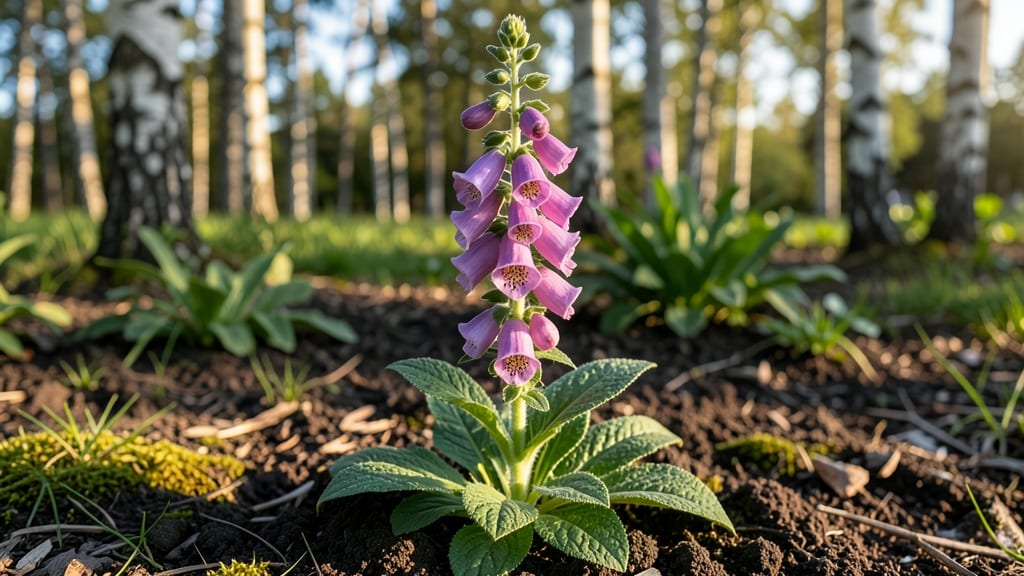
The foxglove flower bloom time in mid to late summer turns towering spikes into cascades of bell-shaped blooms that last 4-6 weeks per spike.
Watching foxglove flowers unfurl from towering spikes to vibrant blooms is like witnessing nature’s own fireworks display—but timing is everything. If you’ve ever wondered when these dramatic bell-flowers will burst into color, you’re not alone.
In USDA Zone 6a, where most gardeners grow foxglove, the bloom time typically aligns with July to August, offering a striking contrast to summer gardens. However, cooler climates can delay blooms until early fall, while warmer regions might see them start as early as June.
Here’s what you need to know about tracking their growth stages, extending their bloom period, and why these flowers are a seasonal garden staple—plus how to encourage repeat blooms for longer enjoyment.
Foxglove bloom time by season: when and how long flowers last
Timing your foxglove blooms is like planning a garden performance—each spike puts on its own 4-6 week show, but the curtain rises at different times depending on your USDA zone and planting strategy.
Most gardeners see their first blooms in mid-summer (June-July), but cooler climates can push this back to early August. The key is understanding how seasonal shifts and regional microclimates influence when those iconic bell-shaped flowers unfurl.
Unlike annuals that bloom once and fade, foxgloves produce multiple flower spikes per season—each spike lasting 3-4 weeks once it opens. This means you might get two bloom cycles if you plant both spring and fall varieties.
The trade-off? Each spike only blooms once from bottom to top, so timing is everything for maximizing your garden's vertical drama.
| Season | Bloom Period | USDA Zones | Duration per Spike | Climate Notes |
|---|---|---|---|---|
| Spring-Planted | Late June - August | 5-8 | 4-6 weeks | Warmer zones (7+) bloom earlier; cooler zones (4-6) may delay until July |
| Fall-Planted | August - September | 3-8 | 3-5 weeks | Cooler fall nights extend bloom time in zones 4-6; zones 9+ may see shorter displays |
| Biennial Re-bloom | June - July (Year 2) | All zones | 5-6 weeks | Established plants in zones 5-7 often produce taller, more prolific spikes |
If you're in USDA zones 5-7, you'll likely see your first spring-planted foxgloves bloom in late June, with a second wave from fall plantings appearing in August.
The 4-6 week duration per spike means each plant can look like it's putting on a continuous show if you stagger your plantings. In warmer zones (8-10), blooms may start as early as May, but the heat can shorten each spike's lifespan to just 3 weeks.
Cooler climates (zones 3-4) have a different rhythm—foxgloves often wait until July to bloom, but the longer daylight hours of summer extend each spike's display to 6 weeks.
This is why many northern gardeners swear by fall planting—the plants establish roots over winter and bloom earlier and more vigorously the following summer.
One common misconception is that foxgloves bloom only once per season. In reality, each flower spike blooms once from bottom to top, but a single plant can produce 3-5 spikes over the season.
This staggered blooming creates continuous vertical interest from June through September in ideal conditions. The secret? Planting multiple varieties with different bloom times—like early Digitalis purpurea alongside late Digitalis grandiflora.
Light exposure plays a surprising role in bloom timing. While foxgloves thrive in partial shade, they need at least 4 hours of morning sun to trigger flowering. Too much afternoon sun in hot climates (zones 8-10) can cause buds to abort before opening, shortening your display.
In these areas, dappled shade or morning sun only often produces healthier, longer-lasting blooms.
Watering habits also influence bloom duration. During the 4-6 week bloom period, foxgloves need consistent moisture—but not soggy soil. Let the top 1-2 inches dry out between waterings, and you'll see each spike last 1-2 weeks longer.
The trade-off? Overwatering in hot climates can lead to bud blast, where flowers drop before opening. Aim for deep watering 2-3 times per week during peak bloom (July-August).
For gardeners in USDA zone 9 and above, the biggest challenge is heat stress. Temperatures above 85°F (29°C) often cause foxgloves to bolt prematurely, producing smaller, less vibrant blooms that last only 2-3 weeks.
The solution? Plant in partial shade and mulch heavily to keep roots cool. Some southern gardeners even plant foxgloves in spring and fall to avoid the summer heat entirely.
If you're planning your garden's vertical color timeline, time foxglove blooms to follow early summer perennials like delphiniums and precede late summer stars like black-eyed Susans. Their 4-6 week display makes
Stages of foxglove flower growth: height and color shifts to watch
Foxglove's journey from seedling to showstopper is one of nature's most dramatic transformations. These tall biennials start as 12-inch seedlings and grow into 5-foot floral towers within a single season. Each stage brings height milestones and color shifts that make tracking their progress incredibly rewarding.
As a gardener who's watched my own foxgloves sprout, stretch, and bloom, I can tell you the excitement builds with each growth spurt. The first visible buds appear like tiny green lanterns, gradually swelling into the iconic bell-shaped flowers we all love.
Let's explore this magical progression step by step.
Seedling Stage (0-6 weeks)
Height: 6-12 inches | Color: Deep green leaves | Key Feature: Rosette formation
Early Spike (6-12 weeks)
Height: 2-3 feet | Color: Green buds forming | Key Feature: Vertical growth surge
Bud Development (12-16 weeks)
Height: 3-4 feet | Color: Purple/pink buds | Key Feature: First color appearance
Peak Bloom (16-20 weeks)
Height: 4-5 feet | Color: Full pink/purple/white | Key Feature: Complete flower display
Seed Set (20+ weeks)
Height: 5 feet | Color: Brown seed pods | Key Feature: Post-bloom transition
The color transformation is particularly stunning. What starts as solid green foliage evolves into pink, purple, or white blooms depending on the variety. My 'Excelsior' foxgloves always put on the most spectacular show with their deep magenta bells, while the 'White Wings' create an ethereal contrast.
Pro tip: Mark your planting date when you first notice those 12-inch seedlings emerging. This helps you predict when to expect bud formation and peak blooming. In my experience, foxgloves planted in early spring typically bloom by mid-summer, while fall-planted varieties may wait until early autumn.
Remember that foxglove growth rates can vary based on your USDA zone and soil conditions. Cooler climates may see slightly slower initial growth, while well-draining soil with partial shade creates ideal conditions for rapid development. The height milestones we've outlined work best in zones 5-8, where foxgloves thrive.
As you watch your foxgloves grow, pay attention to the bud opening pattern. Flowers typically bloom from bottom to top along each spike, creating a stunning vertical display that lasts 4-6 weeks.
This sequential blooming ensures your garden stays vibrant longer than you might expect from a single planting.