
Flowers
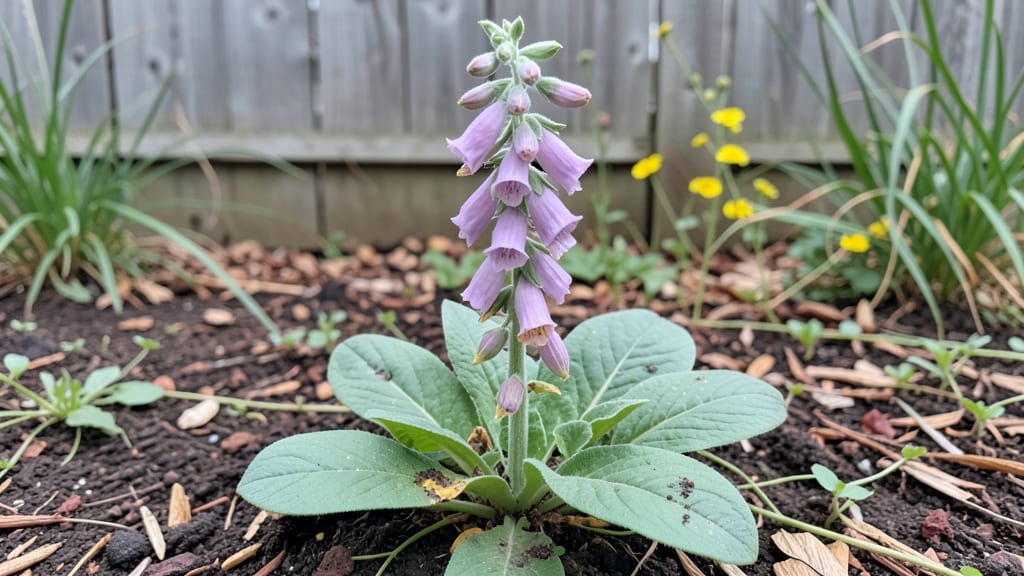
The foxglove flower plant 🌸 stands like a fairy-tale sentinel in your garden, its towering spikes of bell-shaped blooms reaching toward the sky—but one wrong touch could turn a stunning display into a medical emergency.
Picture this: You’ve spent weeks nurturing your foxglove, watching it grow from a delicate seedling into a 6-foot masterpiece, only to realize its beauty comes with a warning. This plant, beloved by gardeners and bees alike, contains cardiac glycosides that can be deadly if ingested.
The good news? With the right care, you can grow it safely while enjoying its dramatic presence.
In this guide, I’ll walk you through everything from planting in USDA Zone 6a during March-April to recognizing the perfect moment to harvest those showstopping blooms between June and August.
You’ll also learn how to keep curious pets and kids at a safe distance while maximizing your foxglove’s stunning vertical impact.
Ready to add this deadly beauty to your garden? Let’s dive into the secrets of growing foxglove without the risks—and with the rewards.

Foxglove plant care guide: light, soil, and watering requirements
Foxglove (Digitalis purpurea) thrives when given the right growing conditions, but its delicate beauty demands precision. The key to lush foxglove blooms lies in balancing sunlight exposure, soil composition, and watering consistency.
Unlike sun-loving perennials, foxglove prefers partial shade to prevent scorching its iconic flower spikes, which can reach 5-6 feet tall. Let’s break down the essentials for cultivating healthy, vibrant foxglove plants that will grace your garden with their dramatic presence.
One of the most critical factors for foxglove care is light requirements. While these plants adore sunlight, they’re equally sensitive to afternoon heat. Aim for 4-6 hours of morning sun followed by dappled shade or filtered light during peak afternoon hours.
This mimics their natural woodland understory habitat, where they grow beneath taller trees. In hotter climates, afternoon shade is non-negotiable—otherwise, you’ll risk wilting foliage or sunburned leaves.
When it comes to soil requirements, foxglove plants prefer well-draining soil with a slightly alkaline pH between 6.5 and 7.5. Heavy clay or waterlogged soil will suffocate roots and lead to root rot, which is fatal for these biennials.
Amend your garden soil with compost or aged manure to improve drainage while retaining moisture. A mix of 50% garden soil, 30% compost, and 20% perlite creates an ideal growing medium. Avoid sandy soils unless you’re willing to water frequently—foxglove hates drought stress.
Watering foxglove requires a delicate balance. These plants detest dry soil but despise waterlogged conditions even more. Aim to keep the soil consistently moist but never soggy, especially during the growing season.
In spring and summer, water deeply once a week, providing 1-1.5 inches of water per week. Use a moisture meter to check soil depth—foxglove roots extend 12-18 inches deep, so surface watering won’t suffice.
Mulch with 2-3 inches of organic mulch (like straw or shredded leaves) to retain moisture and suppress weeds.
Seasonal care is where many gardeners trip up with foxglove. In spring, focus on light feeding with a balanced fertilizer (10-10-10) to encourage robust foliage growth. Skip fertilizing during summer flowering—too much nitrogen will reduce bloom production.
By late summer, allow the plant to self-seed naturally if you want perennial growth, or deadhead spent blooms to redirect energy. In fall, reduce watering as growth slows, and in winter, protect young plants with a light mulch layer in colder climates (USDA zones 3-5).
One of the most common mistakes is overwatering foxglove, especially during rainy seasons. These plants are surprisingly drought-tolerant once established, but their delicate stems can snap under excess weight from prolonged wetness.
If your garden experiences heavy rainfall, ensure containers have drainage holes or plant foxglove on slightly elevated beds. For container-grown foxglove, water every 5-7 days rather than the weekly schedule for in-ground plants, as pots dry out faster.
To maximize foxglove blooms, plant them in groups of 3-5 for a dramatic vertical effect. Pair them with low-growing perennials like salvia or coral bells to create stunning contrast. Avoid planting near highly competitive plants like aggressive ground covers, which can choke foxglove’s tall, slender stems.
If you’re growing foxglove in containers, choose large pots (at least 12 inches wide) to accommodate their deep root systems and prevent root-bound stress.
Finally, remember that foxglove’s toxicity extends to its care routine. Always wear gloves when handling the plant, especially during pruning or seed collection. Keep it out of reach of children and pets, and never consume any part of the plant.
Even the honey produced from foxglove nectar can be toxic—avoid using it in homemade remedies. With these precautions and proper growing conditions, your foxglove will reward you with show-stopping summer blooms year after year.
🌸
Deadly foxglove toxicity: safety precautions for gardens and pets
The foxglove flower plant (Digitalis purpurea) contains cardiac glycosides, compounds that can be fatal if ingested by humans, pets, or livestock. Even a few leaves can cause severe poisoning, leading to irregular heartbeats, nausea, or even death.
While its bell-shaped blooms add drama to cottage gardens, this toxicity demands respect and careful handling.
Children and pets are especially vulnerable because the plant's attractive appearance may tempt curious exploration. Even dead foxglove plants retain toxicity, so never compost clippings in areas accessible to animals. Understanding how to minimize risks while enjoying this garden favorite is essential for every gardener.
⚠️ Critical Toxicity Warning
All parts of the foxglove flower plant—leaves, stems, flowers, and seeds—contain cardiac glycosides that can cause fatal poisoning if ingested. Even small amounts (as little as 5-10 grams of leaves) can be deadly to children, pets, and livestock.
Never plant foxglove in family gardens with young kids or in areas accessible to dogs, cats, or horses. If ingestion occurs, seek emergency veterinary care immediately and bring plant samples for identification.
To protect your family and pets, start by choosing a secure location for foxglove. Plant it in elevated garden beds or behind fences where curious hands or paws can't reach.
If you have small children or pets, consider skipping foxglove entirely and opting for non-toxic alternatives like hollyhocks or delphiniums.
When handling foxglove, always wear gloves to avoid skin contact, especially if you have open wounds. Wash your hands thoroughly after pruning, deadheading, or collecting seeds.
Store pruned materials in sealed containers and dispose of them in trash bins, not compost heaps, to prevent accidental ingestion by wildlife.
If you're growing foxglove for cut flowers, keep arrangements out of reach of children and pets. Never leave fresh-cut foxglove in vases within pawing distance—even fallen petals can be dangerous if ingested. For wedding bouquets or floral displays, use dried or preserved foxglove instead of fresh stems.
Educate visitors about the plant's dangers by placing clear warning signs near foxglove beds. Include a simple illustration of the plant and a message like, "'Do Not Eat—Toxic'." This small step can prevent accidental poisoning while still allowing others to admire your garden's striking vertical blooms.