
Shrubs
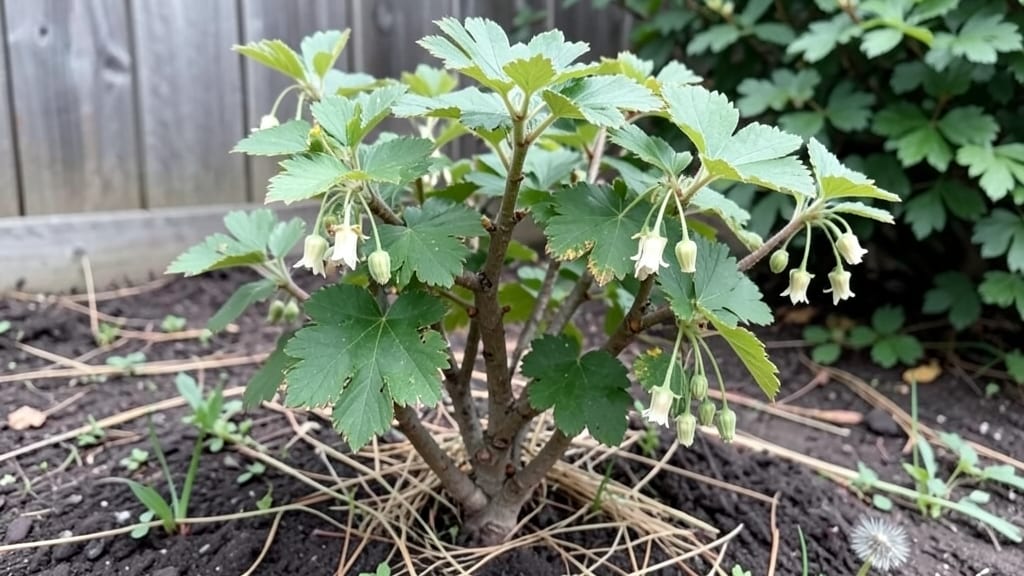
Your gooseberry plant flower is the gateway to a bountiful harvest—but only if you prune it right.
Struggling to get your gooseberry plant to produce abundant fruit? The secret lies in understanding when and how to prune those delicate flowers—timing can make the difference between a sparse harvest and a full bush of berries.
Gooseberries thrive in USDA Zone 6a when planted in spring, but their flowering cycle is delicate. Prune too early, and you risk cutting off next year’s blooms; too late, and you miss the chance to shape the plant for maximum fruit-bearing branches.
In this guide, I’ll walk you through the best pruning windows, how to encourage more flowers, and the simple tricks that turn a scraggly shrub into a fruit-producing powerhouse.

Understanding gooseberry plant flower development and pruning windows
Gooseberry plants produce two types of gooseberry plant flowers: early blooms that appear in late winter and late blooms that emerge in early spring. Understanding this flowering cycle is key to maximizing fruit production.
Early flowers often yield the largest berries, while late blooms provide a secondary harvest. Pruning at the wrong time can disrupt this delicate balance and reduce your yield by up to 40%.
The best time to prune gooseberries is during the dormant season, typically in late winter (February-March) before buds swell. This timing ensures you remove dead or diseased wood without harming next year’s blooms.
Post-harvest pruning in late summer can also encourage new growth, but avoid heavy cuts that might stress the plant before winter.
Gooseberry flowers are self-pollinating but benefit from cross-pollination between different varieties. If your plant produces few berries, consider planting a second variety nearby to improve pollination rates. The flowering window spans 4-6 weeks, with peak bloom occurring in April-May depending on your climate zone.
Here’s how pruning impacts fruit yield: removing old canes (over 3 years old) redirects energy to younger, more productive branches. Thinning crowded shoots improves air circulation, reducing fungal diseases like powdery mildew, which can devastate gooseberry plant flowers and fruit.
Aim to leave 6-8 healthy canes per plant for optimal bearing.
Pruning too early in winter can expose the plant to cold damage, while pruning too late in spring risks cutting off flower buds. Always use sharp, sterilized shears to make clean cuts at a 45-degree angle, about ¼ inch above a bud.
This technique promotes faster healing and stronger regrowth.
Gooseberry plants also produce male and female flowers on separate plants or sometimes on the same plant. If your variety is dioecious (separate sexes), you’ll need at least one male plant for every 4-5 female plants to ensure pollination.
Late blooms often appear on new wood, so avoid heavy pruning that removes potential fruit-bearing branches.
In USDA Zone 6a, where gooseberries thrive, the last frost date (around April 15) signals the start of active growth. Prune 4-6 weeks before this date to allow new shoots to harden off before winter.
If you live in a warmer zone, adjust your timing to avoid cutting into the flowering window.
One common mistake is pruning after harvest season (June-August), which can stimulate late-season growth that won’t harden before frost. Instead, focus on light maintenance pruning during this period to remove only dead or diseased branches. Save heavy pruning for dormant season to avoid stressing the plant.
For maximum fruit bearing, pair pruning with balanced fertilization. Apply a 10-10-10 NPK fertilizer in early spring to support flower development, followed by a low-nitrogen feed during fruiting. Over-fertilizing with nitrogen can lead to excess foliage at the expense of gooseberry plant flowers and fruit.
🌱
If you’re growing gooseberry plant flowers in containers, pruning becomes even more critical. Container-grown plants have limited root space, so aggressive pruning can stunt growth.
Focus on removing only dead wood and thinning branches to improve airflow. Repot every 2-3 years to refresh soil nutrients and support healthy flowering.
For organic gardeners, use
Step-by-step guide to pruning gooseberry flowers for heavy fruit production
Pruning your gooseberry plant flowers isn’t just about shaping the shrub—it’s a strategic way to boost fruit production by redirecting energy to healthy growth. When done correctly, pruning removes crowded branches, improves air circulation, and encourages larger, more abundant berries.
The key is timing: late winter or early spring, just before new growth begins, is ideal for dormant-season pruning, while light shaping can happen after harvest.
Before grabbing your pruning shears, gather the right tools: sharp bypass pruners for clean cuts, gloves to protect from thorns, and disinfectant to prevent disease spread. Safety first—wear long sleeves and eye protection since gooseberry bushes can be prickly!
Start by removing dead, diseased, or crossing branches first, as these compete with productive wood for nutrients.
Step-by-Step Pruning for Gooseberry Flowers
- Step 1: Remove dead wood—Look for branches that are brown, brittle, or hollow. Cut these back to the main stem or a healthy bud.
- Step 2: Thin crowded branches—Select 3-5 strong, outward-facing stems to keep. Remove weaker ones at the base to encourage thicker growth.
- Step 3: Shape the plant—Trim overly long branches to maintain an open center, allowing sunlight to reach gooseberry plant flowers and fruit.
- Step 4: Shorten fruit-bearing branches—Cut back last year’s growth by one-third to promote new flowering shoots for next season.
- Step 5: Sanitize tools—Wipe pruners with rubbing alcohol between cuts to prevent fungal spread like powdery mildew.
Pro Tip: Label branches with twine tags if unsure which are productive—this helps track growth patterns over time.
After pruning, water deeply to help the plant recover and apply a balanced fertilizer (like 10-10-10) to support new growth. Avoid heavy pruning in fall or early spring, as this can stress the plant before it’s ready to bloom.
Instead, focus on light maintenance during these periods to keep the shrub healthy without disrupting flower development.
One common mistake is pruning too late in the season, which can delay flowering. If you missed the dormant-season window, wait until after harvest (late summer) for a light shaping session, but avoid heavy cuts that could reduce next year’s fruit.
Always step back and visualize the plant’s shape—gooseberries thrive when they have room to breathe and sunlight access to their flowers.
With consistent pruning, your gooseberry plant flowers will thank you with heavier yields and healthier berries. Start small, observe how the plant responds, and adjust your approach each year. Soon, you’ll be harvesting baskets full of plump, sweet gooseberries—all thanks to a little strategic trimming!