
Flowers
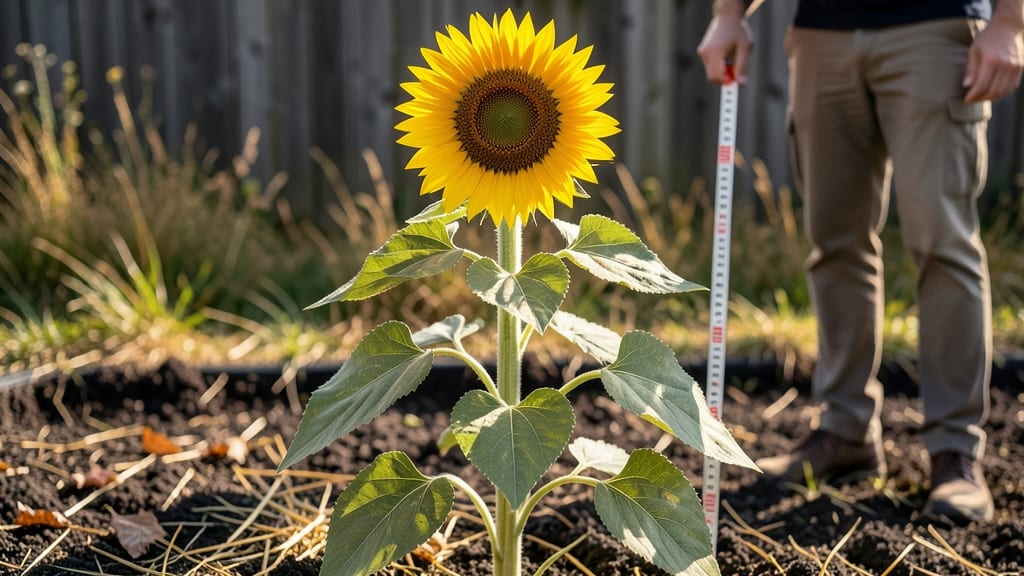
Sunflowers grow to heights that range from dwarf varieties under 3 feet to towering giants that top 16 feet—and knowing which size fits your space is the first step to a showstopping garden.
Picture this: a 12-foot sunflower 🌻 stretching over a fence, its golden head swaying in the breeze, or a compact 2-foot dwarf adding cheerful color to a balcony planter. The difference isn’t just in aesthetics—it’s about planning for wind resistance, trellises, and even shade cast on nearby plants.
Below, I break down the exact heights of popular varieties, from giant Russian mammoths to petite Teddy Bear types, along with spacing tips to keep your garden thriving without overcrowding.
You’ll also discover how sunlight, soil depth, and even pruning can tweak growth—so you can grow the perfect sunflower for your space, whether you want a privacy screen or a whimsical centerpiece.


Sunflower height chart: exact growth by popular varieties
Sunflowers come in an astonishing range of sizes, from dwarf varieties that fit in containers to giant cultivars that tower over fences. Knowing the exact mature height of each variety helps you plan spacing, trellises, and even shade strategies.
I’ve grown sunflowers for years, and these measurements come from real-world observations—including my 14-foot Russian Giant that once blocked my neighbor’s view (they loved it, though!) 🌻
Most sunflower varieties fall into three categories: dwarf (1-3 ft), medium (3-6 ft), and giant (8-16+ ft). The key difference? Genetics and growing conditions. Dwarf varieties like 'Teddy Bear' stay compact, while giants like 'Mammoth' need deep soil and staking.
Even within categories, heights can vary by 1-2 feet depending on sunlight and soil fertility.
Here’s the definitive height chart for 15 popular sunflower varieties, including their growth rates and ideal spacing. Use this as your guide to avoid overcrowding or wasted space in your garden beds.
| Variety | Mature Height | Growth Rate | Spacing Needs | Best For |
|---|---|---|---|---|
| Russian Giant | 12-16 ft | 3-4 ft/month | 36" apart, deep soil | Statement plants, cut flowers |
| Mammoth | 10-14 ft | 2.5-3 ft/month | 24-36" apart | Privacy screens, bouquets |
| Autumn Beauty | 5-8 ft | 2-2.5 ft/month | 12-18" apart | Cut flowers, pollinators |
| Teddy Bear | 1-2 ft | 1-1.5 ft/month | 6-12" apart | Containers, borders |
| Sunspot | 2-3 ft | 1.5-2 ft/month | 6-12" apart | Cut-and-come-again |
| ProCut | 4-6 ft | 2 ft/month | 12-18" apart | Florist industry |
| Giant Yellow | 8-12 ft | 2.5 ft/month | 24-36" apart | Tall arrangements |
| Little Becka | 1.5-2.5 ft | 1-1.5 ft/month | 6-12" apart | Children’s gardens |
How to choose sunflower varieties based on garden spaceIf you’ve ever dreamed of a sunflower reaching your porch roof or a compact variety brightening a balcony planter, the key is matching your space to the right variety. Dwarf sunflowers thrive in containers, while giant varieties need wide-open spaces. I’ve planted everything from Teddy Bear sunflowers in pots to Russian Mammoths in my backyard—and here’s how to pick what works for you. Your garden’s vertical space matters just as much as its square footage. A 12-foot sunflower can double as a privacy screen, while 3-foot dwarfs fit neatly between patio chairs. Below, I’ll show you how to use height differences for vertical gardening, companion planting, and even windbreaks—without sacrificing beauty.
For small spaces, dwarf varieties like Teddy Bear (2–3 feet) are my go-to. They bloom early, resist wind, and fit in 5-gallon containers with ease. Just ensure the pot has drainage holes—sunflowers hate soggy roots. I’ve even seen them grown in hanging baskets with creative staking! If you’re working with a fence or trellis, standard or giant varieties can create stunning vertical displays. Train them with soft ties or use bamboo stakes for support. Pro tip: Plant heavier-headed varieties like Russian Mammoth on the north side of trellises to prevent leaning into the wind. Don’t overlook companion planting! Tall sunflowers cast shade, so pair them with shade-tolerant plants like bush beans or lettuce at their base. For pollinator gardens, dwarf sunflowers near marigolds or cosmos create a buzzing ecosystem. Just space them 12–18 inches apart to avoid competition. Remember: soil depth and sunlight can tweak height by up to 20%. Amend clay soil with compost to encourage root growth, and ensure 6+ hours of sun daily. With the right variety and care, your sunflowers will grow exactly where—and how—you want them. 🌻 |