
How To
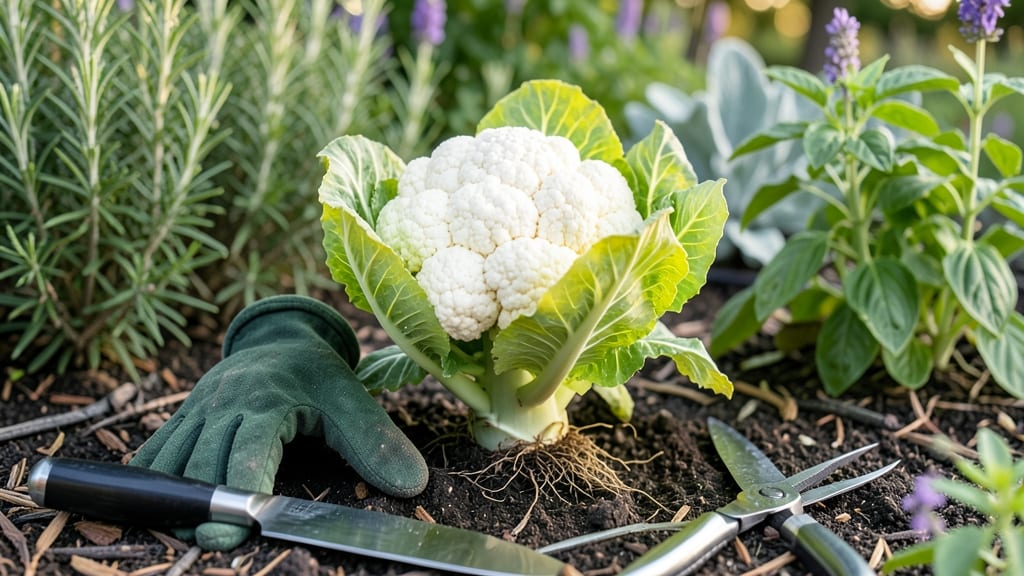
Knowing when your cauliflower 🥬 is ready to pick means the difference between a tender, flavorful harvest and a tough, bitter disappointment.
Picture this: you’ve nurtured your plants all spring, and now the heads are growing fast. But how do you know the exact moment to harvest? Skip this step, and you risk overripe curds that turn woody or split open.
Get it right, and you’ll enjoy a crisp, fresh taste straight from your garden.
Look for heads that are firm, compact, and about 6-8 inches wide, with outer leaves browning but still clinging to the stem. The color should be deep and consistent—whether white, purple, or green—with no yellowing florets peeking through. A gentle squeeze should feel solid, not mushy.
In this guide, I’ll walk you through the visual cues, timing tricks, and common mistakes to avoid. You’ll learn how to test readiness without damaging the plant and keep your harvest at its peak for weeks. Let’s get started!


Signs your cauliflower curd is perfectly ripe for harvesting
Harvesting cauliflower at the right moment transforms your garden into a flavorful feast instead of a bitter disappointment. The key lies in watching for three critical visual cues: head size, color consistency, and leaf condition.
A perfectly ripe cauliflower curd should feel firm to the touch while maintaining its compact shape—never let it grow so large that the florets start spreading apart.
Many gardeners make the mistake of waiting too long, thinking bigger is better. But once those tight florets begin loosening or the outer leaves turn completely brown and crispy, your cauliflower has passed its prime.
The sweet spot comes when the head reaches 6-8 inches in diameter with vibrant color and just a hint of browning on the outer leaves—this is when flavor and texture peak.
Pro Tip: Different varieties mature at slightly different rates, so always check your seed packet for specific harvest timelines. Purple and green cauliflower varieties often mature slightly faster than traditional white types, but the visual readiness cues remain identical. Keep a small notebook nearby to track planting dates and variety-specific growth patterns.
Don't rely solely on head size—color consistency is your next best indicator. A perfectly ripe cauliflower should display uniform coloration throughout the curd. For white varieties, this means a creamy, snow-white appearance without yellowing.
Purple types should show deep, rich purple with no green streaks, while green varieties should maintain their vibrant hue without browning.
The outer leaves play a crucial role too. When harvesting, look for just-beginning browning on the leaf edges while the majority remain green. This signals the plant is redirecting energy to the head.
If leaves are completely brown and crispy, you've missed your window—the head may have already started converting starches to sugars, leading to a bitter, woody texture.
Temperature also affects ripening. In hot summer months, cauliflower can mature faster and become ready in as little as 50 days. Conversely, cooler spring or fall seasons may extend the growing period to 70-100 days.
Always harvest in the morning after dew has dried to ensure the cleanest cut and freshest flavor.
One common mistake is harvesting when the head is still partially wrapped in tight leaves. While this might seem protective, it can actually stunt growth by blocking sunlight.
Gently remove any excess leaves just before harvesting to expose the head to full light for the final 24-48 hours—this boosts sweetness and color intensity.
For container gardeners, check your cauliflower's readiness daily during peak growing months. Potted plants often mature slightly faster due to warmer root zones and limited space. If you notice the head pushing against the container walls, it's definitely time to harvest before the plant becomes root-bound.
Remember: Timing is everything with cauliflower. A head harvested too early will be small and underdeveloped, while one left too long becomes tough and stringy.
By mastering these visual cues and tactile tests, you'll consistently bring home perfectly ripe, flavor-packed cauliflower straight from your garden to your table. 🥬
How to check cauliflower readiness without damaging the plant
Harvesting cauliflower at the right moment ensures a tender, flavorful head instead of a tough, bitter mess. The key is testing readiness without harming the plant—here’s how to do it gently. Start by examining the outer leaves first, as they reveal critical clues about the curd’s maturity.
Look for yellowing or browning edges, which signal the plant is redirecting energy to the head. This natural process means the curd is nearing peak ripeness.
Next, focus on the curd’s size and firmness. A ready-to-harvest head should measure 6-8 inches in diameter and feel solid to the touch. Avoid squeezing too hard—cauliflower curds bruise easily, and excessive pressure can damage the delicate florets.
Instead, use a light thumb press to check firmness. If the head gives slightly but doesn’t feel mushy, it’s likely at the perfect stage.
🌱 Pro Tip for Perfect Harvest Timing
Check the stem by gently bending it near the base. If it snaps cleanly (not breaks with resistance), the head is ready. This test minimizes damage while confirming maturity. Harvest in the morning when temperatures are coolest to preserve freshness.
Timing is everything when it comes to cauliflower harvest windows. Most varieties take 70-100 days to mature, but heat waves can speed up ripening. If your garden’s summer temperatures exceed 85°F (29°C), harvest sooner—cauliflower curds can bolt (flower prematurely) in extreme heat.
Watch for buds opening on the head; if you see tiny yellow flowers, you’ve waited too long.
For purple or green varieties, color consistency is another key indicator. A ripe head should be deep and uniform in hue, not pale or patchy. White cauliflower may develop a slight yellow tint at the edges, but the core should remain crisp and closed tightly.
If florets start separating, the head has overripe and lost quality. Always prioritize compactness over size—a smaller, firm curd beats a large, loose one.
To harvest without damage, use a sharp knife or pruning shears to cut the stem 1-2 inches below the curd. Avoid pulling or twisting, which can tear the plant. Leave the outer leaves intact if possible—they protect the curd from sun exposure and pests.
After harvesting, store your cauliflower in the refrigerator for up to 5 days or blanch and freeze for longer storage.
If your cauliflower heads are uneven in size, harvest the largest ones first to prevent overcrowding. This encourages smaller heads to mature fully. For continuous harvests, plant successive batches every 2-3 weeks during the growing season.
With these gentle tests, you’ll master the art of harvesting cauliflower at its peak—every time! 🥬