
How To
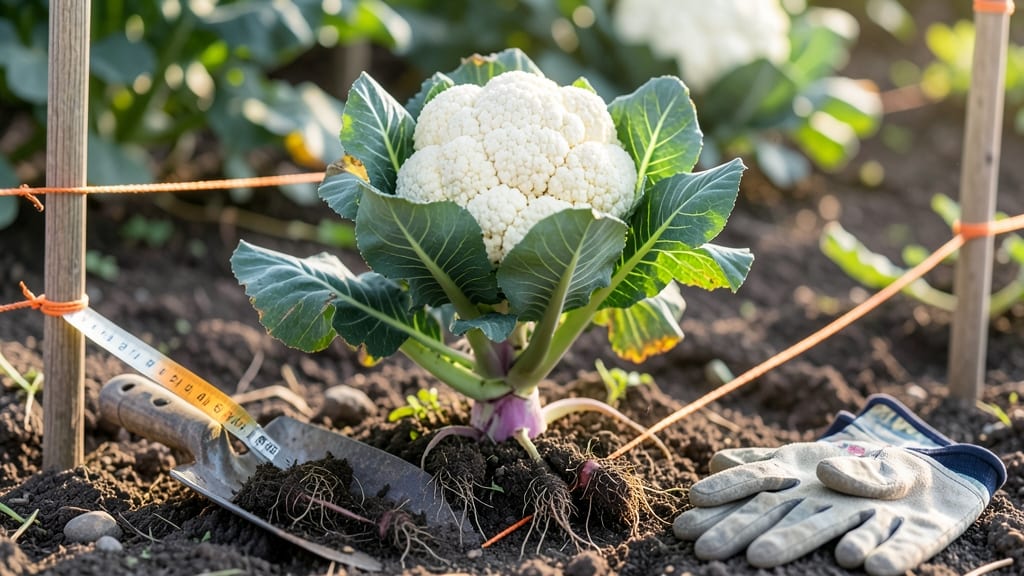
To plant cauliflower 🥬 the right distance apart means the difference between plump heads and stunted, bitter curds — and most gardeners get it wrong.
Picture this: you’ve spent weeks nurturing your seedlings, only to harvest tiny, misshapen heads because they were too close together. Or worse, you wasted precious garden space by spacing them too far apart.
The sweet spot depends on your variety, soil, and even your climate — and I’ll break it all down so you never guess again.
Whether you’re working with a compact 6a-zone variety or a sprawling heirloom, proper spacing prevents disease, improves airflow, and ensures those heads stay snowy-white and firm. No more crowded plants or wasted rows — just consistent, high-quality harvests from June through August.
Inside, you’ll find exact measurements for rows and beds, how to adjust for raised gardens or containers, and even which plants to pair with cauliflower for maximum yield. Let’s get those spacing secrets right from the start.

Optimal cauliflower spacing by variety and growth type
Getting the spacing right for your cauliflower plants makes all the difference between plump, market-ready heads and stunted, bitter curds. Since cauliflower varieties vary wildly in head size and growth habit, one-size-fits-all spacing simply won’t cut it.
I’ve grown everything from miniature varieties to giant Romanesco types, and I’ll share exactly how to space each for maximum yield without crowding.
First, let’s tackle the biggest spacing mistake I see: assuming all cauliflower plants need the same room. In reality, a small purple cauliflower like ‘Graffiti’ needs half the space of a large white variety like ‘Snowball Y Improved’.
Even within similar head sizes, compact bush types stay tidy while sprawling varieties need extra elbow room to avoid disease. Let’s break it down by type so you can plan your garden like a pro.
| Variety Type | Head Size | Plant Spacing (inches) | Row Spacing (feet) | Soil Fertility Note |
|---|---|---|---|---|
| Mini Varieties | 2-3 inches | 12-16" | 1.5-2' | Light compost; avoid over-fertilizing |
| Standard White/Purple | 6-8 inches | 18-24" | 2-3' | Balanced NPK (5-10-10) at planting |
| Romanesco/Giant | 10+ inches | 24-36" | 3-4' | High phosphorus; side-dress with compost |
| Broccoli-Like (e.g., Calabrese) | 4-6 inches | 16-20" | 2' | Moderate nitrogen; avoid overwatering |
| Compact Bush Types | 5-7 inches | 18" | 2' | Well-draining soil; mulch heavily |
For standard white cauliflower varieties like ‘Snowball’ or ‘Chef’s Choice’, the 18-24 inch spacing is my go-to. These plants develop 6-8 inch heads and need room to circulate air—critical for preventing rot diseases like black rot.
I’ve found that adding 2-3 inches of extra space (up to 24") when planting in rich, fertile soil actually produces larger heads because the plants aren’t competing for nutrients.
Now, if you’re growing Romanesco cauliflower like ‘Green Bounty’, you’ll need to double the space. These giant varieties can produce 10+ inch heads that weigh over a pound each! Plant them 24-36 inches apart in rows 3-4 feet apart.
Pro tip: Stake these monsters early—their heavy heads can cause plants to flop over before harvest. I use 3-foot bamboo stakes buried at planting time.
Don’t overlook miniature varieties like ‘Purple of Sicily’ or ‘Graffiti’. These 2-3 inch heads thrive in tight spaces, making them perfect for container gardening or interplanting with other crops. Space them 12-16 inches apart in rows 1.5-2 feet apart. They’re also bolting-resistant
How to adjust spacing for different garden conditions
Not all gardens are created equal, and neither are their spacing needs. If you're growing cauliflower in raised beds, containers, or under shady conditions, the standard 18-24" spacing might leave you frustrated.
The key is adapting your layout to match your garden's unique challenges while maximizing yield. Let's break down how to tweak spacing for common scenarios without sacrificing those perfect curds.
For raised beds, you can actually plant cauliflower closer together than in-ground gardens because the soil stays warmer and drains better. This means you'll get more plants per square foot without competition.
However, if your bed is narrow (under 4 feet wide), consider staggering plants in a checkerboard pattern to prevent overcrowding as they mature. This works especially well for compact varieties like 'Snowball Y Improved'.
Square foot gardening takes this concept further by using a grid system. In a 1-foot square, you can fit 4 cauliflower plants (one in each corner) if you're growing smaller varieties. For larger heads, reduce to 1 plant per square foot. The secret here is to interplant with fast-growing companions like radishes or lettuce in the early stages, then remove them as the cauliflower fills in.
| Garden Condition | Standard Spacing | Adjusted Spacing | Key Adjustment |
|---|---|---|---|
| Raised Beds | 18-24" | 12-18" | Warmer soil = faster growth; reduce spacing by 30% |
| Containers (5+ gal) | 18-24" | 1 plant per container | Root competition is fierce; prioritize 1 large head |
| Partial Shade | 18-24" | 24-30" | Slower growth = more space needed; choose compact varieties |
| Succession Planting | 18-24" | 12-18" (staggered) | Plant new seeds every 2 weeks in same spots |
| Poor Soil | 18-24" | 24-36" | Nutrient competition; add compost to reduce spacing |
When growing cauliflower in containers, spacing rules change dramatically. A 5-gallon pot can comfortably support one cauliflower plant, but if you're using larger containers (10+ gallons), you can fit 2-3 plants spaced 12-18" apart.
The trick is to fertilize heavily and water consistently—container-grown cauliflower bolts faster when stressed. Choose bush varieties like 'Purple of Sicily' for containers, as they handle root restriction better.
If your garden gets less than 6 hours of sun daily, cauliflower will grow slower, so increase spacing to 24-30 inches between plants. Pair this with reflective mulch (like white gravel) to maximize light exposure.
For shade-tolerant varieties like 'Graffiti' (purple cauliflower), you can squeeze in 18" spacing, but expect smaller heads. Always amend soil with compost to compensate for lower light levels.
For succession planting, the goal is to keep the garden productive year-round. Plant your first batch with 24" spacing, then every 2 weeks afterward with 18" spacing in the same spots. This works because the second batch gets a head start while the first matures.
Just be sure to harvest the first crop promptly—lingering plants will compete with new seedlings. This method is perfect for cool-season varieties like 'Snowball'.
Remember, soil quality is your silent spacing partner. In poor soil, increase spacing to 24-36 inches to give roots room to forage for nutrients. Add aged compost or a balanced fertilizer at planting, then top-dress with compost every 4-6 weeks.
If your soil is rich, you can reduce spacing by 25%—just monitor plants closely for signs of overcrowding like yellowing leaves or stunted growth.