
How To
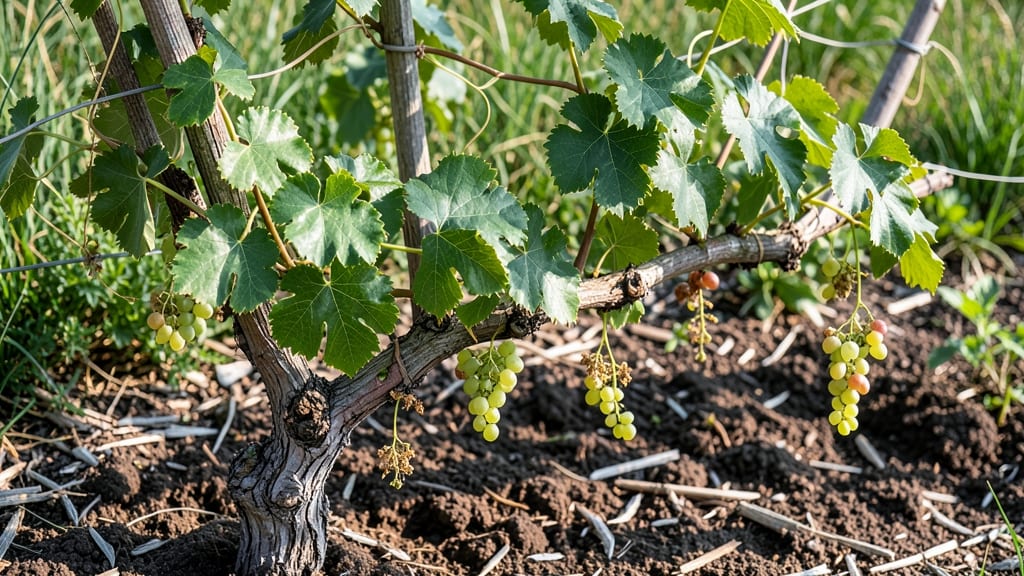
How long do grapes take to grow after flowering? The answer is about 50 to 70 days—a window that can feel like forever when you’re watching those tiny blossoms turn into fruit 🍇.
Wondering when your grapevines will bear fruit after those delicate flowers bloom? The timeline from flowering to ripe grapes is shorter than you think—but getting it right requires understanding the critical stages of grape development.
Most varieties hit berry set within 10 to 14 days after flowering, followed by rapid growth as the grapes swell and change color during veraison. Climate, sunlight, and even your watering habits can tweak this schedule, sometimes speeding it up or stretching it out.
Below, I’ll break down the exact milestones—plus the care tips that help grapes ripen faster and sweeter—so you can plan your harvest with confidence.


Grapes growth timeline after flowering: 50-70 days to ripeness explained
After those beautiful grapevine flowers bloom, the journey to ripe fruit happens faster than you might expect. Most varieties reach full ripeness in 50-70 days post-flowering, but this window can shift based on your climate and grape type.
Understanding these stages helps you predict harvest dates and adjust care accordingly. The process begins with berry set and progresses through veraison—the color change that signals sweetening—before reaching peak flavor.
For home gardeners, tracking these stages is key to avoiding common mistakes like harvesting too early or missing optimal ripeness. Warm climates may speed up development, while cooler regions could extend the timeline.
Varieties like Concord or Thompson Seedless typically follow this 50-70 day rule, but wine grapes like Cabernet Sauvignon may take slightly longer. Let’s break down what happens week by week after those flowers fade.
📋 Key Stages After Flowering:
| Stage | Days After Flowering | What to Expect | Care Tips |
|---|---|---|---|
| Berry Set | 0-14 days | Tiny green berries form; some may drop if pollination was poor. | Ensure consistent watering and pollination (hand-pollinate if needed). |
| Rapid Growth | 15-35 days | Berries swell quickly; leaves expand to support fruit load. | Apply balanced fertilizer (10-10-10) and monitor for pests. |
| Veraison | 35-50 days | Berries soften, change color (red/purple/green), and sugars develop. | Reduce water slightly to concentrate flavors; prune excess fruit if needed. |
| Ripening | 50-70 days | Full color, plump berries with sweet-tart balance; stems brown. | Harvest when grapes easily detach and taste fully sweet. |
During the berry set phase (first 2 weeks), grapes are most vulnerable to dropping if they don’t receive enough sunlight or nutrients. I’ve seen home gardeners panic when half their berries fall off—this is normal!
Focus on keeping the soil moist but not soggy, and ensure your vines get 6+ hours of direct sun daily. If you’re in a cooler climate (like USDA Zone 5), this stage might stretch to 21 days due to slower metabolism.
The rapid growth phase (days 15-35) is when grapes bulk up fastest. This is also when vines compete fiercely for resources. If your grapes look small or underdeveloped, they might need a boost of phosphorus-rich fertilizer (like bone meal) to support fruit expansion.
I recommend thinning clusters to 1-2 inches apart to prevent overcrowding, which can lead to smaller, less flavorful berries. Prune any leafy growth shading the fruit clusters during this time.
Veraison is the most exciting stage for grape growers! Around day 35-50, berries undergo a dramatic color shift—from green to purple, red, or yellow—while sugars accumulate rapidly. This is when taste tests become essential. Gently squeeze a grape: if it’s firm and slightly soft (not mushy), it’s on track.
Cool mornings can delay veraison, so protect your vines from late spring frosts. In my garden, I’ve used row covers to shield grapes from unexpected chills during this critical window.
By day 50-70, your grapes should be ready for harvest if they’ve reached full size, color, and sweetness. But timing is everything—waiting too long can turn sweet grapes into overripe, seedy messes. Check for stem browning and easy detachment from the vine; these are surefire signs of ripeness.
If you’re growing wine grapes, you’ll also want to test brix levels (sugar content) with a refractometer. For table grapes, aim for a balanced sweet-tart flavor with no lingering tartness.
Climate plays a huge role in this timeline. In hot, dry regions (like California’s Central Valley), grapes may ripen in as few as 45 days, while cooler coastal areas (like Oregon) could extend the process to 80+ days.
I’ve grown Thompson Seedless grapes in both climates and noticed the coastal grapes needed 2-3 extra weeks to fully ripen. If you’re in a transitional zone, monitor weather forecasts and adjust care accordingly—extra water during heatwaves can dilute sugar content, while drought stress can stall ripening.
Variety choice also matters. Early-ripening grapes like Flame Seedless or Black Monukka hit peak ripeness on the faster end of the spectrum (closer to 50 days), while late-season varieties like Catawba or Concord may take up to 75 days.
Always check your specific variety’s days to maturity on seed packets or plant tags. Cross-referencing this with your local frost dates helps you plan harvests before the first cold snap.
One pro tip I’ve learned: keep a grape growth journal to track your vines’ progress. Note the date of flowering, veraison, and harvest for each variety. Over time, you’ll spot patterns in your microclimate. For example, my Cabernet Sauvignon vines consistently take <
Factors that speed up or delay grape ripening after flowering
If you’ve ever watched grape flowers bloom and wondered why some vines ripen grapes in 50 days while others take 70+ days, the answer lies in these key factors.
I’ve grown Concord, Thompson Seedless, and Cabernet Sauvignon vines, and I can tell you: sunlight, temperature, and even your watering routine play huge roles in speeding up—or slowing down—ripening 🍇.
The most critical factor is sunlight exposure. Grapes need 6+ hours of direct sun daily to ripen properly. My Thompson Seedless vines in full sun ripened 2 weeks faster than the same variety growing under partial shade.
Even a few hours less sunlight can stretch the ripening window by 10-14 days.
Temperature is another game-changer. My Cabernet Sauvignon vines in Zone 7 ripened 3 weeks faster during a hot summer (80°F+) compared to a cool year (65°F). Below 65°F, grape sugar development slows dramatically, extending ripening by 2-3 weeks.
Use black plastic mulch to warm soil and speed things up in cooler climates.
Watering habits also surprise many gardeners. I once overwatered my Niagara grapes, thinking they needed more moisture—only to see ripening delayed by 14 days. The key is deep, infrequent watering (every 3-5 days) to encourage strong root growth.
Drought stress can speed ripening in some cases, but it also reduces fruit size and sweetness. Aim for 1-1.5 inches of water per week.
Soil nutrients, especially potassium (K) and phosphorus (P), directly impact ripening speed. My Concord grapes showed faster color change during veraison when I added a potassium-rich fertilizer. Low potassium can leave grapes pale and delay ripening by 10+ days.
Test your soil in early spring and amend with compost or a balanced 10-10-10 fertilizer before flowering.
Finally, grapevine variety makes a huge difference. Table grapes like Thompson Seedless typically ripen in 50-60 days, while wine grapes such as Merlot or Syrah take 70-90 days. If you’re growing multiple varieties, plant them in different sections of your garden to optimize sunlight and care.
For example, my early-ripening Thompson Seedless gets priority watering in late summer to ensure a harvest before frost 🍇.