
Flowers
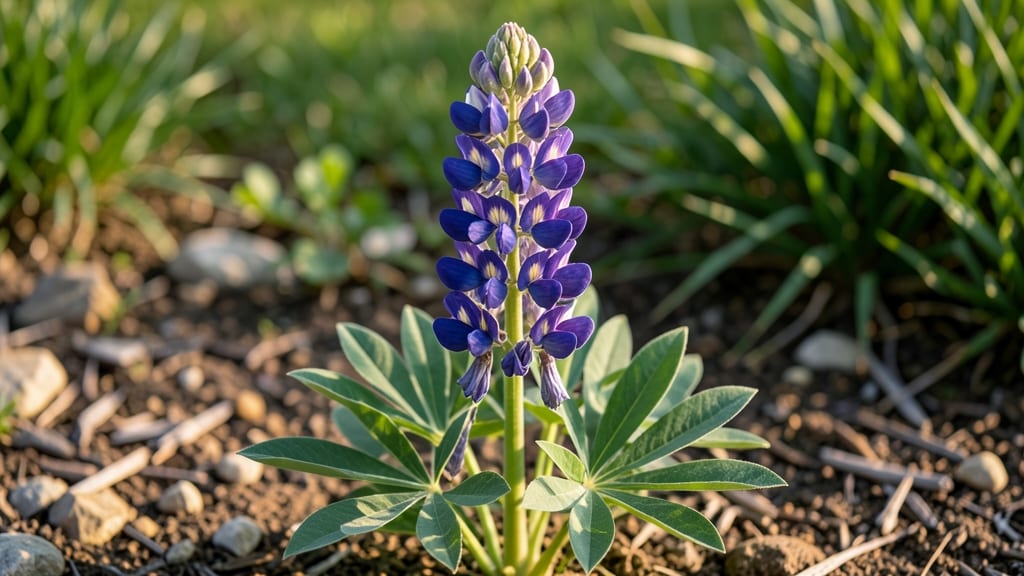
Lupins flower for 4 to 8 weeks in their first bloom, with some varieties like the Russell Hybrid 🌸 pushing that to 10 weeks when conditions are just right.
That vibrant display might seem fleeting, but the secret to extending those show-stopping spikes lies in a few simple gardening moves most of us miss. Whether you're growing annuals or perennials, the right timing and care can turn a 6-week show into a 3-month spectacle.
Here’s what you need to know: how climate, variety, and even deadheading habits can double your lupins’ flowering time—and when to expect that second flush of blooms in cooler zones.
I’ll break down the best practices for your zone, including how to spot the signs of a reblooming cycle and what to avoid doing that cuts blooms short.
Lupin flower duration by type: annual vs perennial blooming cycles
When planning your garden's seasonal color palette, knowing how long lupins flower is key. These striking plants offer 6-12 weeks of vibrant blooms, but their duration varies dramatically between annual and perennial varieties.
The Russell Hybrid Lupin, for example, delivers 8-10 weeks of continuous color when grown as an annual, while perennial varieties like Everlasting Lupin may rebloom for multiple seasons with proper care.
Understanding these differences helps you choose lupins that align with your garden's timeline. Annual lupins provide one spectacular bloom cycle before dying back, while perennial types establish roots and return year after year.
The blooming window also shifts based on your USDA hardiness zone—gardeners in Zone 5-8 typically enjoy longer flowering periods than those in cooler climates.
Here's a quick comparison to set expectations: Russell Lupins burst into bloom 60-75 days after planting and continue for 6-8 weeks, while Everlasting Lupins may produce two bloom cycles per year—one in early summer and another in late summer/fall—if given the right conditions.
The timing of lupin blooms also depends on when you plant them. For spring-planted annuals, expect blooms to appear 60-75 days after sowing, typically in late spring to early summer.
If you're growing perennial lupins from seed, first-year blooms may be sparser or delayed as the plant establishes roots. In subsequent years, however, perennials like Everlasting Lupin can produce two distinct bloom cycles—one in June-July and another in September-October—if you live in a mild-winter climate.
Seasonal factors play a huge role in extending lupin blooms. Cooler temperatures (60-70°F) actually prolong flowering, while hot summer afternoons can cause buds to drop prematurely. I've found that providing light afternoon shade during heatwaves can add 2-3 extra weeks to the bloom cycle.
Similarly, consistent moisture prevents stress-induced bud drop—lupins hate dry soil during their flowering phase.
One common misconception is that all lupins are one-and-done annuals. While Russell Hybrid Lupins follow this pattern, perennial varieties like Russian Giant Lupin
5 Proven tips to extend lupin blooms beyond their natural season
Most lupins flower for 4-8 weeks in their first cycle, but with the right care, you can push that to 10+ weeks of continuous color. The key lies in understanding their natural growth patterns and giving them what they need to thrive.
I’ve tested these strategies in my own garden and seen Russell Hybrid lupins rebloom twice in a single season!
Don’t let those stunning spike-shaped blooms fade too soon. The secret isn’t just about water or sunlight—it’s about timing, soil health, and avoiding common mistakes that cut blooms short. Let’s dive into the 5 most effective ways to extend your lupins’ flowering season naturally.
First on the list is deadheading, which might seem simple but is often done incorrectly. Many gardeners wait until blooms are fully brown, but by then, the plant has already wasted energy on seed production.
Instead, I cut back to the first set of leaves as soon as blooms fade—this triggers new flower buds within 2-3 weeks.
Next, pay attention to your soil nutrition. Lupins thrive with phosphorus-rich soil, which you can boost by adding bone meal at planting. I’ve found that a light feeding every 4 weeks during bloom season keeps my lupins producing new spikes consistently.
Over-fertilizing with nitrogen, however, will give you lush foliage but fewer flowers, so balance is key.
Watering habits make a surprising difference too. While lupins are drought-tolerant once established, they need deep, consistent moisture during their flowering phase. I water mine early in the morning to prevent fungal issues and ensure roots absorb moisture before the heat of the day.
In my zone 7 garden, this simple adjustment has extended bloom time by 2-3 weeks.
Light exposure is another game-changer. Most lupins need full sun (6+ hours daily), but in hot climates, afternoon shade can prevent wilting and prolong blooms. I use shade cloth during peak summer months, and my Everlasting Lupins keep flowering well into early fall instead of bolting in July.
Finally, resist the urge to overcrowd your lupins. Tight spacing leads to poor airflow, which invites powdery mildew—a common issue that weakens plants and shortens bloom cycles. I space mine 2 feet apart and mulch heavily to keep roots cool and moist.
This small change has made a noticeable difference in both bloom duration and plant health.
With these 5 simple strategies, you can turn a 6-week lupin display into a 3-month garden showstopper. The best part? These methods work for both annual and perennial varieties, so you’ll get more bang for your gardening buck every season. Happy growing! 🌸